

The End of Traditional Summer Fare
For generations, the American idea of “summer food” has been tied to the grill and the picnic blanket. We think of smoky barbecue, hearty burgers, and rich potato salads. These dishes are celebratory and delicious, but they were conceived for a different
kind of summer—one with pleasantly warm days, not relentless, week-long heat domes that turn city pavement into a skillet. As temperatures climb to historic highs in cities like New York, Austin, and Chicago, both diners and chefs are realizing that a heavy, hot meal is an increasingly tough sell. No one craves a steaming bowl of pasta or a fatty brisket when it’s 98 degrees with crushing humidity. The appetite-suppressing power of extreme heat is real, and it’s forcing a fundamental rethink of what it means to eat out in July and August.
The Rise of the Cooling Cuisine
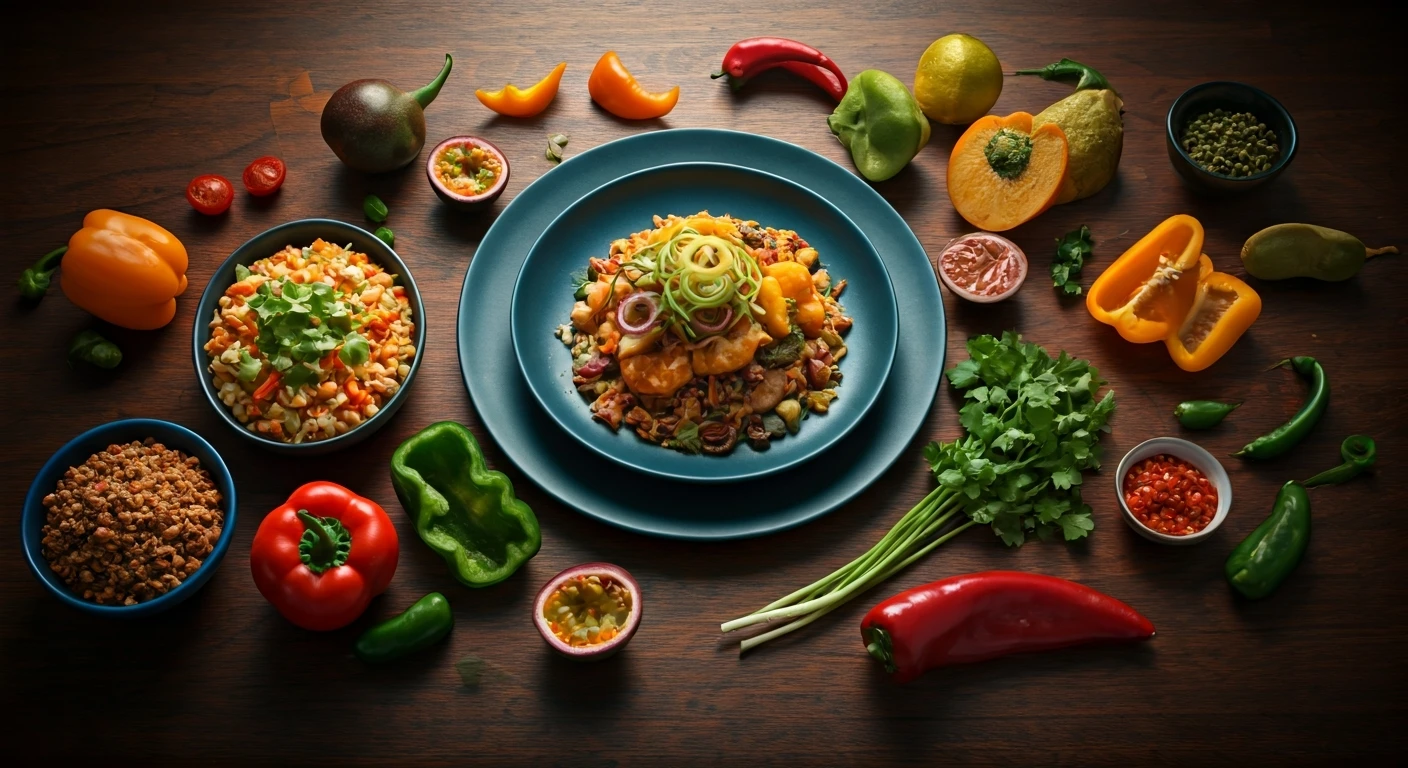
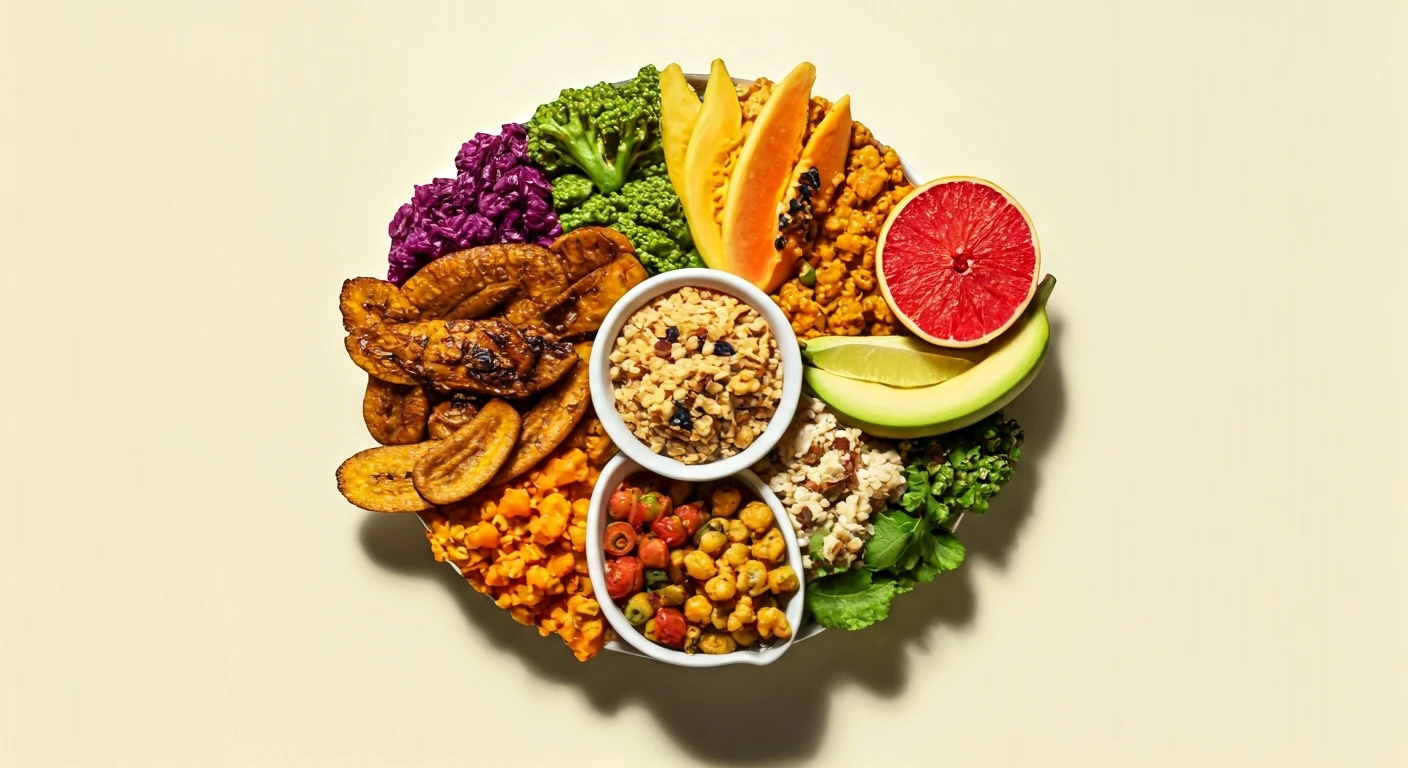
Enter the “tropical plate.” Instead of fighting the heat, savvy chefs are taking inspiration from cuisines that were born in it. They’re looking to the equatorial belt—from coastal Peru and Mexico to Vietnam and Thailand—for dishes designed not just to be eaten in warm weather, but to provide active relief from it. The core philosophy is simple: use bright acidity, fresh herbs, hydrating ingredients, and minimal cooking to create dishes that cool you down from the inside out. It's a culinary strategy of adaptation. This isn’t about just serving cold food; it’s about using specific ingredients and techniques that have been perfected over centuries in the world’s hottest climates to make eating a pleasure, even when the weather is oppressive.
A Tour of the New Heatwave Menu
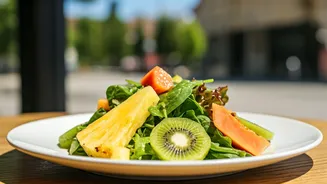
So what does this look like on a menu? It starts with a surge in raw and lightly cured seafood. Ceviche, the Peruvian classic of raw fish “cooked” in citrus, is king. You’ll see it in dozens of variations, from classic sea bass with lime and red onion to creative takes with mango, passion fruit, and avocado. Its Mexican cousin, aguachile, offers a spicier, more immediate kick with chiles, lime, and cucumber. Beyond seafood, menus are becoming more fruit-forward and vegetable-centric. Think salads that pair watermelon with feta and mint, or green papaya salads popular in Southeast Asia that crackle with fish sauce, lime, and peanuts. Proteins are lighter—grilled fish instead of steak, chicken skewers instead of roasts. Sauces and dressings are built on yogurt, coconut milk, and vinaigrettes, not heavy cream or butter. It’s a complete textural and thermal shift, designed for refreshment.
More Than a Fad, It’s a Forecast
While food trends come and go, this shift feels different. It’s less of a fleeting fad and more of a practical, delicious response to a changing environment. In a way, these menus are a form of climate adaptation you can taste. They demonstrate the ingenuity of chefs in finding solutions that are not only smart for business—by offering what people actually want to eat—but also expand the American palate. This move toward lighter, brighter, more global flavors is introducing diners to a wider world of food while simultaneously solving a very modern problem. It’s a quiet recognition that our seasons have changed, and our appetites must change with them. These tropical-inspired dishes offer a form of escape, transforming a sweltering evening in a concrete jungle into a mini-vacation on a plate.