





From Pet Owner to Pet Parent
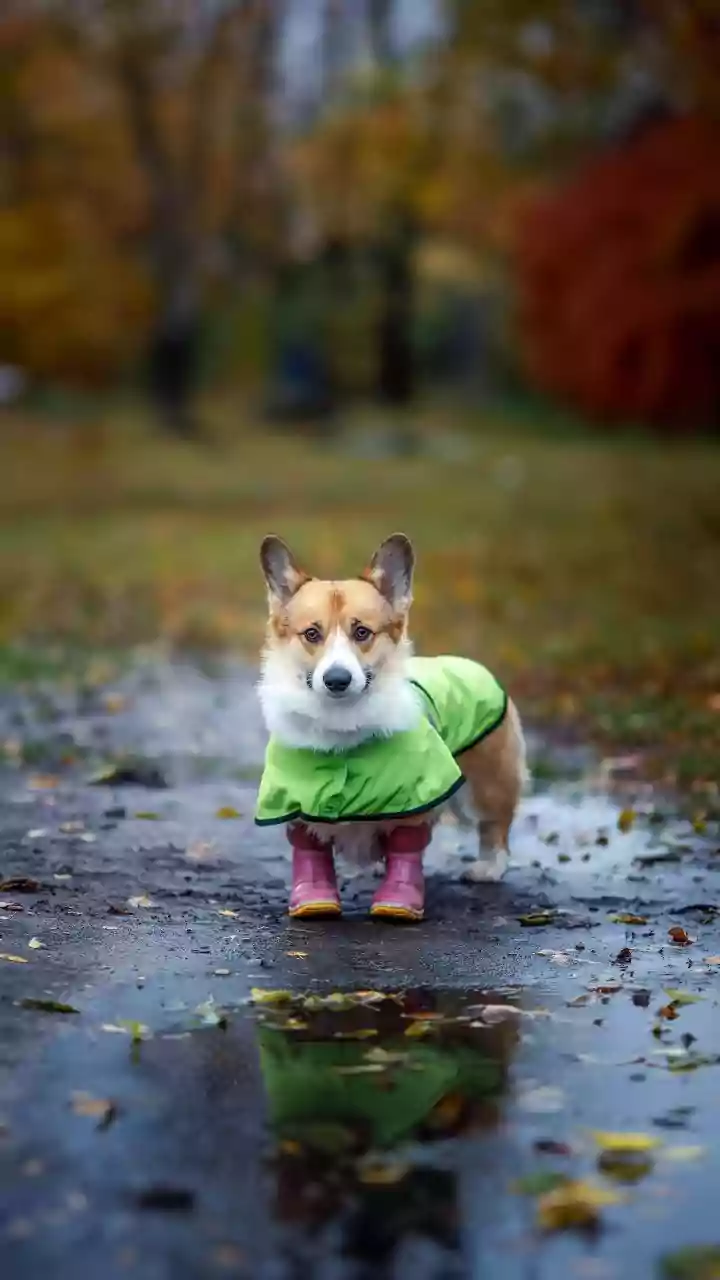
The single biggest driver of this change is a simple, but profound, psychological shift: the humanization of pets. For a growing number of Americans, particularly Millennials and Gen Z, a dog or cat isn't just an animal; it's a family member. They aren't
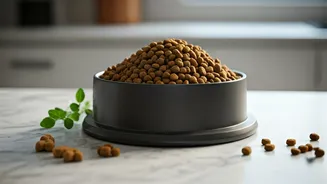
'owners'; they're 'parents.' This reframing changes everything about how they spend money. According to the American Pet Products Association (APPA), spending on pets continues to climb year over year, with a significant portion of that growth happening in the premium food and treat categories. When you see your pet as a child, feeding them generic, brown pellets with mystery ingredients starts to feel less like a practical choice and more like parental negligence. This emotional investment is the engine powering a revolution in the grocery aisle and online.
The New Rules of the Bowl
So what do these discerning pet parents actually want? In short, they want their pet’s food to mirror their own dietary ideals. This translates into a clear set of demands that were niche just a decade ago. First is ingredient transparency. Vague terms like 'meat by-products' are out; specific proteins like 'grass-fed beef' or 'wild-caught salmon' are in. They are scanning labels for clean, recognizable, and 'human-grade' ingredients—the kind you’d find in your own kitchen. This has fueled the rise of buzzwords like 'organic,' 'non-GMO,' and 'grain-free.' Fresh and minimally processed food is another major frontier. Subscription services delivering pre-portioned, refrigerated meals, like The Farmer's Dog or Ollie, have exploded in popularity by promising a healthier alternative to shelf-stable kibble. It’s the pet equivalent of meal-kit services like Blue Apron, driven by the same desire for freshness and quality.
Startups Feast, Giants Adapt
This consumer-led insurgency created a massive opening for agile startups. New brands, often born online and masters of social media marketing, bypassed traditional retailers and built direct relationships with pet parents. They sold not just food, but a story: a narrative of wellness, love, and a superior life for your pet. Their success did not go unnoticed. For a while, legacy giants like Mars Petcare (owner of Royal Canin and Iams) and Nestlé Purina seemed to be caught flat-footed. Now, they are aggressively adapting. Their strategy is two-fold: acquire and innovate. We’ve seen major acquisitions of challenger brands by established players. At the same time, these corporations are launching their own premium and specialized lines, like Purina ONE True Instinct or Blue Buffalo (acquired by General Mills), to compete directly for the high-end consumer. The result is a hyper-competitive market where every brand, new and old, is fighting to prove its nutritional bona fides.
A Pricey Plate and Some Pushback
This upgrade in pet dining doesn't come cheap. Premium, fresh, and specialized diets can cost two to five times more than traditional kibble, adding a significant line item to a household's monthly budget. For many, the perceived health benefits justify the expense. However, the movement is not without its critics and complexities. Some veterinarians caution that pet parents, while well-intentioned, can be swayed by marketing rather than science. The 'grain-free' trend, for instance, came under scrutiny from the FDA after it began investigating a potential link between certain diets and a heart condition in dogs called dilated cardiomyopathy (DCM). This highlights a tension at the heart of the trend: the gap between what sounds healthy to a human and what is scientifically proven to be optimal for an animal. As consumers become more educated, they are learning to navigate these debates, but it adds another layer of complexity to feeding Fido.