


Days 1-2: Fort Kochi's Historic Charm
Your journey begins in Fort Kochi, a coastal town where history breathes through every colonial building and cobblestone lane. Fly into Cochin International Airport (COK) and take a pre-paid taxi or the far cheaper airport bus to the Fort Kochi area.
This is the perfect place to acclimatize. Instead of pricey hotels, book a stay at a family-run homestay. You’ll get a clean room, a home-cooked breakfast, and invaluable local advice for a fraction of the cost. Spend your days wandering. The iconic Chinese Fishing Nets are most dramatic against a stormy monsoon sky. Explore the historic Jew Town and its Paradesi Synagogue, and duck into the Indo-Portuguese Museum when the heavens open. For food, skip the tourist traps and eat where locals do; a simple meal of rice and fish curry from a small eatery can cost just a couple of dollars.
Days 3-4: Munnar's Misty Tea Gardens
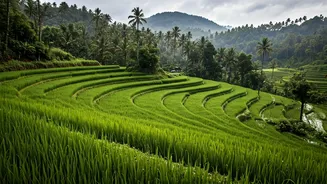
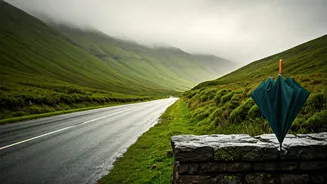
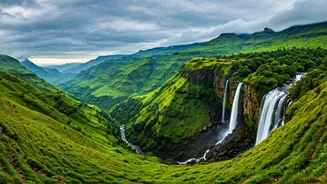
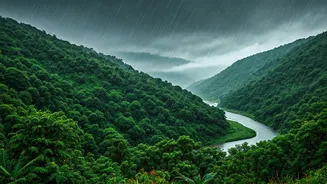
From Kochi, take a government-run KSRTC bus to Munnar. The four-hour journey is an adventure in itself, winding up into the Western Ghats mountains. The bus is ridiculously cheap and offers views that rival any private car. The monsoon transforms Munnar into a surreal landscape of vibrant green tea fields shrouded in rolling mist. It’s cool, quiet, and breathtakingly beautiful. Your budget stretches far here. Stay in a guesthouse in the Old Munnar area, which is less touristy than the main town. Your main activity is simply soaking in the atmosphere. Go for long walks through the tea estates (stick to the paths), visit the Tea Museum to learn about the region’s signature crop, and find a small shop to sip hot, spiced chai while watching the rain. The biggest expense here might be a waterproof jacket, which is non-negotiable.
Days 5-6: Alleppey's Backwaters on a Budget
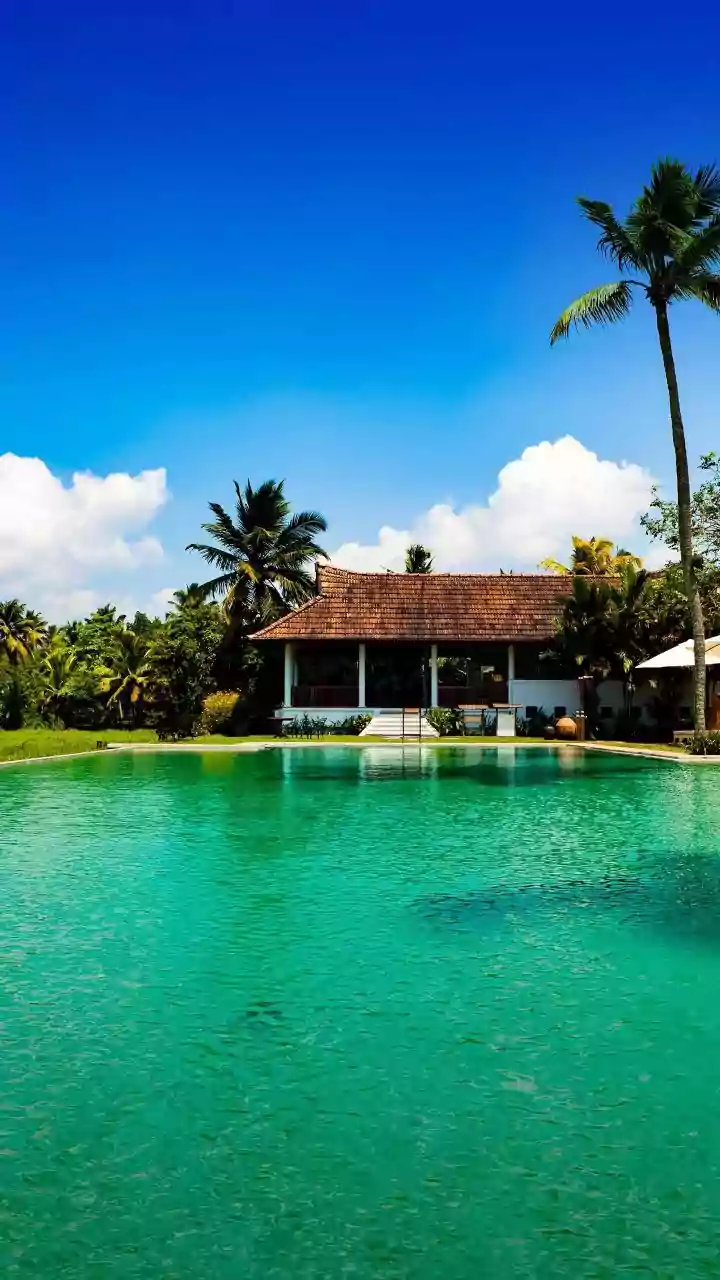
This is the classic Kerala experience, but we’re doing it the smart way. From Munnar, bus down to Alleppey (Alappuzha), the gateway to the backwaters. Many tourists splurge on an overnight houseboat, which can blow an entire budget. A far more authentic and affordable option is to use the local transport system. The State Water Transport Department runs public ferries that crisscross the backwaters, connecting small villages. For the price of a bus ticket, you can hop on one of these ferries and get the exact same views as the expensive tour boats. For a more personal tour, hire a local guide with a small, traditional canoe (a ‘shikara’) for a few hours. You’ll be able to navigate the narrower canals that the big houseboats can’t reach. Stay in a backwater homestay for the night to experience village life up close.
Day 7: Varkala's Dramatic Cliffs
For your final stop, catch a train from Alleppey to Varkala. The train system in India is efficient and incredibly budget-friendly; just be sure to book your ticket in advance, especially for a specific class. Varkala is famous for its stunning cliffs that drop dramatically to the Arabian Sea. While swimming is often off-limits during the fierce monsoon, the views are spectacular. The waves crashing against the shore create a powerful, mesmerizing display. The main tourist strip along the North Cliff is lined with cafes and yoga studios. Find one with a covered balcony, order a coffee, and spend your last afternoon watching the ocean churn. It's the perfect, contemplative end to a journey defined by water and lush greenery. From Varkala, it’s a short train or taxi ride to Trivandrum (Thiruvananthapuram) for your flight home.