
The End of the Dessert Rut
You know the scene: the host gestures towards the dessert table, a familiar landscape of chocolate chip cookies and a store-bought cheesecake. It’s comforting, sure, but it’s rarely exciting. For years, the American party dessert scene has been in a bit
of a rut. But a vibrant, creative culinary movement is changing that, drawing inspiration from the rich, aromatic world of South Asian sweets, collectively known as mithai. These are not your grandmother’s confections (unless your grandmother was a particularly avant-garde pastry chef). We’re talking about a modern renaissance—a fusion of traditional flavors with contemporary techniques that has created the ultimate party power move.
First, What Is Mithai?
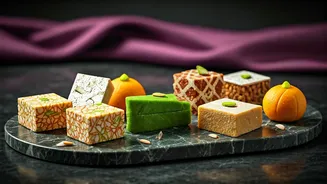
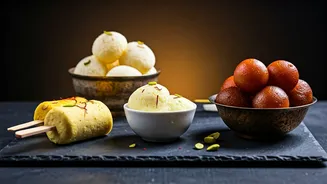
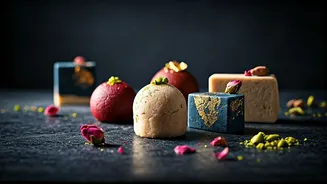
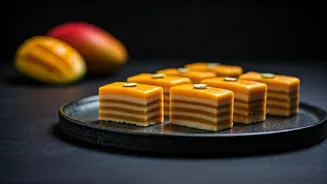
Before we get to the makeover, let’s start with the source. Mithai isn't just a single dessert; it’s a vast and diverse category of sweets from the Indian subcontinent, as varied as the region itself. Often made for celebrations, festivals, and religious offerings, these confections are typically rich, dense, and intensely flavorful. Think beyond just “sweet.” The mithai flavor palette is a symphony of fragrant spices, nuts, and unique ingredients. Key players include cardamom, saffron, rosewater, pistachio, and almond. The base is often made from milk solids (khoya), chickpea flour (besan), ghee (clarified butter), and cheese (paneer or chenna). Traditional examples range from the fudgy milk-based squares of barfi to the syrup-soaked dumplings of gulab jamun. These are sweets with history, texture, and a depth of flavor that most Western desserts rarely touch.
The Modern Makeover
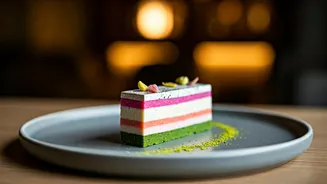
So, what happens when these ancient flavors crash into the modern American pastry kitchen? Magic. A new generation of bakers and pastry chefs, many of them South Asian Americans, are deconstructing mithai and reimagining it in familiar forms. They are isolating the elements that make mithai so special—the spices, the floral notes, the nutty textures—and infusing them into cakes, cookies, ice creams, and tarts. This isn’t just about adding a pinch of cardamom to a brownie mix. It’s a thoughtful reinterpretation. Imagine a gulab jamun cheesecake, where the creamy tang of the cake is punctuated by soft, syrup-soaked orbs. Picture a delicate French macaron filled with a saffron and pistachio ganache, or a gooey chocolate lava cake that erupts with a chai-spiced center. These creations honor their roots while speaking a language the global palate understands. Bakeries from New York to California are gaining cult followings for these innovative treats, transforming neighborhood dessert runs into exciting culinary excursions.
Flavor, Finesse, and ‘The Flex’
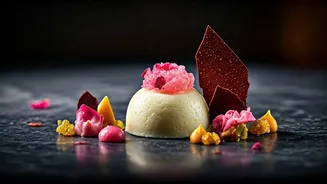
This brings us to “the flex.” Why does showing up with a box of rosewater shortbread or a Jalebi-inspired Bundt cake signal such confidence? First, it’s about sophistication. These flavors are complex and adult. They suggest a palate that has graduated from one-note sweetness to appreciate nuance and spice. Bringing these sweets shows you’re a host or guest who is culturally curious and in-the-know. Second, they are undeniably beautiful. Traditional mithai is often decorated with edible silver leaf (vark), chopped nuts, or delicate flower petals. Their modern counterparts continue this tradition of artistry, resulting in desserts that are as Instagrammable as they are delicious. Finally, it’s a conversation starter. A tray of cardamom-spiced blondies is more than just a dessert; it’s a story about flavor, heritage, and innovation. It invites questions and turns a simple act of sharing food into a memorable experience.