



The Sea of Milk
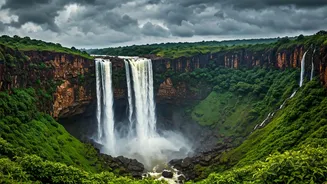
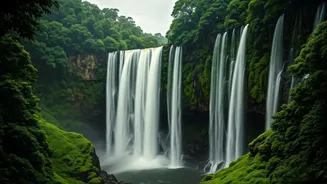
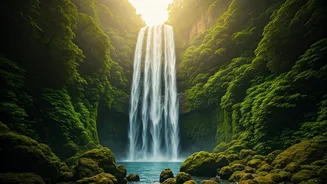
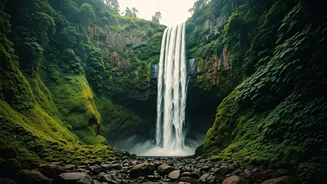
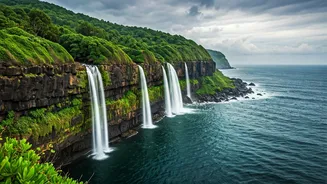
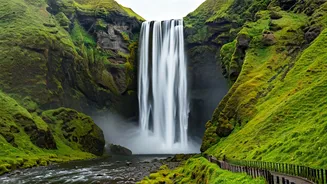
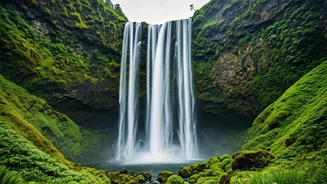
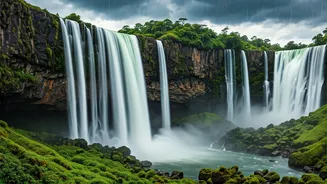
Its name, Dudhsagar, literally translates from the local Konkani language to “Sea of Milk.” It’s a name that makes perfect sense when you see it. Plunging over 1,000 feet in a series of four tiers, the falls are among the tallest in India. During the peak
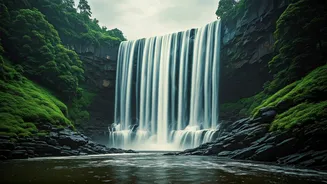
monsoon months, from June to September, the sheer volume of water cascading down the rock face is staggering. The force creates a cloud of fine spray that blankets the surrounding jungle, and the roar is a deep, guttural sound you feel in your chest. Unlike the wispy, ethereal waterfalls of postcards, a monsoon-fed Dudhsagar is an exhibition of raw, untamed power—a force of nature at its most dramatic.
A Monsoon Transformation
While many of the world’s great waterfalls are year-round destinations, Dudhsagar’s celebrity is seasonal. For much of the dry season, it can be a relatively modest flow, a beautiful but subdued presence in the Bhagwan Mahaveer Sanctuary and Mollem National Park. But when the annual monsoon rains sweep across the Indian subcontinent, they transform the landscape and the Mandovi River that feeds the falls. The river swells, gathering strength and sediment as it rushes through the lush, rain-soaked forests of Goa. This is when Dudhsagar is reborn. The water turns from a clear stream into a formidable, opaque torrent, creating the milky-white appearance that gives it its name and its legendary status.
The Journey Is the Destination
Getting to Dudhsagar is an adventure in itself, a pilgrimage that weeds out the casual sightseer. Because it’s located deep within a protected national park, private vehicles can’t simply drive up to a viewing platform. The primary way in is a bumpy, 45-minute ride in a shared 4x4 jeep managed by the local forest department. These rugged vehicles ford streams and navigate muddy, jungle-carved tracks, giving visitors a small taste of the wildness that awaits. For the more intrepid, organized treks offer a more intimate, albeit challenging, path through the wilderness. The journey isn’t just a logistical hurdle; it’s an essential part of the experience, building anticipation and underscoring the falls' magnificent isolation.
The Iconic Railway Bridge
What truly cements Dudhsagar’s place in the imagination is the man-made marvel that intersects it: a century-old railway bridge that cuts directly across the waterfall’s path. The image is surreal—a passenger train slowly inching its way across the stone arches as a colossal curtain of water thunders just behind it. This juxtaposition of industrial-age engineering and primordial nature has made Dudhsagar an icon, famously featured in films and coveted by photographers. For train passengers on the Goa-to-Karnataka route, passing by the falls during the monsoon is an unforgettable highlight, offering a fleeting, spectacular view that no road or trail can replicate.
Managing the Magic
The headline isn't an exaggeration—this spectacle is one that countless travelers want to witness. This popularity has, in recent years, created challenges. Overcrowding and environmental impact have led authorities to implement stricter regulations. The number of jeeps allowed into the park each day is limited, and access can be shut down entirely during periods of extreme weather for safety reasons. Swimming in the plunge pool at the base is often prohibited when the currents are too strong. This careful management is a necessary balancing act, aiming to preserve the fragile ecosystem while still allowing people to witness its breathtaking beauty. It means a visit requires planning, patience, and a bit of luck, making the reward that much sweeter.