



The Most Sacred and Difficult Fast
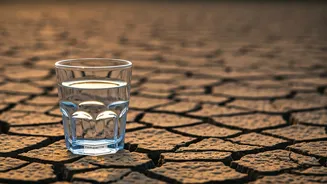
Nirjala Ekadashi is widely regarded as the most challenging and auspicious of all 24 Ekadashi fasts observed in the Hindu calendar. The name itself is a clue: 'Nirjala' translates to 'without water,' and 'Ekadashi' means 'the eleventh day' of the lunar
fortnight. Occurring during the waxing moon phase in the Hindu month of Jyeshtha (typically May or June), this day falls during the peak of summer in India, making the act of abstaining from water profoundly difficult and a powerful symbol of devotion. Devotees who undertake this fast do so from sunrise on Ekadashi to sunrise the following day. The belief is that observing this single fast with complete faith grants the spiritual benefits of all other 24 Ekadashis combined. It is considered a path to cleansing past sins and moving closer to 'moksha,' or liberation from the cycle of birth and death.
The Legend of an Insatiable Hero
The origin of Nirjala Ekadashi is rooted in a compelling story from the Hindu epic, the Mahabharata. The tale centers on Bhima, the second of the five Pandava brothers, renowned for his immense strength and equally immense appetite. While his brothers and wife could observe the bi-monthly Ekadashi fasts, Bhima found it impossible to control his hunger. Distraught by his inability to perform this religious duty and fearing divine displeasure, he sought the counsel of the sage Vyasa. Understanding Bhima’s plight, Vyasa devised a solution: if Bhima could observe one Ekadashi a year with absolute strictness—meaning no food or water—he would earn the merit of all the other fasts. Bhima agreed, and thus Nirjala Ekadashi was born. It is often referred to as 'Bhimseni Ekadashi' or 'Pandava Ekadashi' in his honor.
Rituals: Beyond Just Fasting
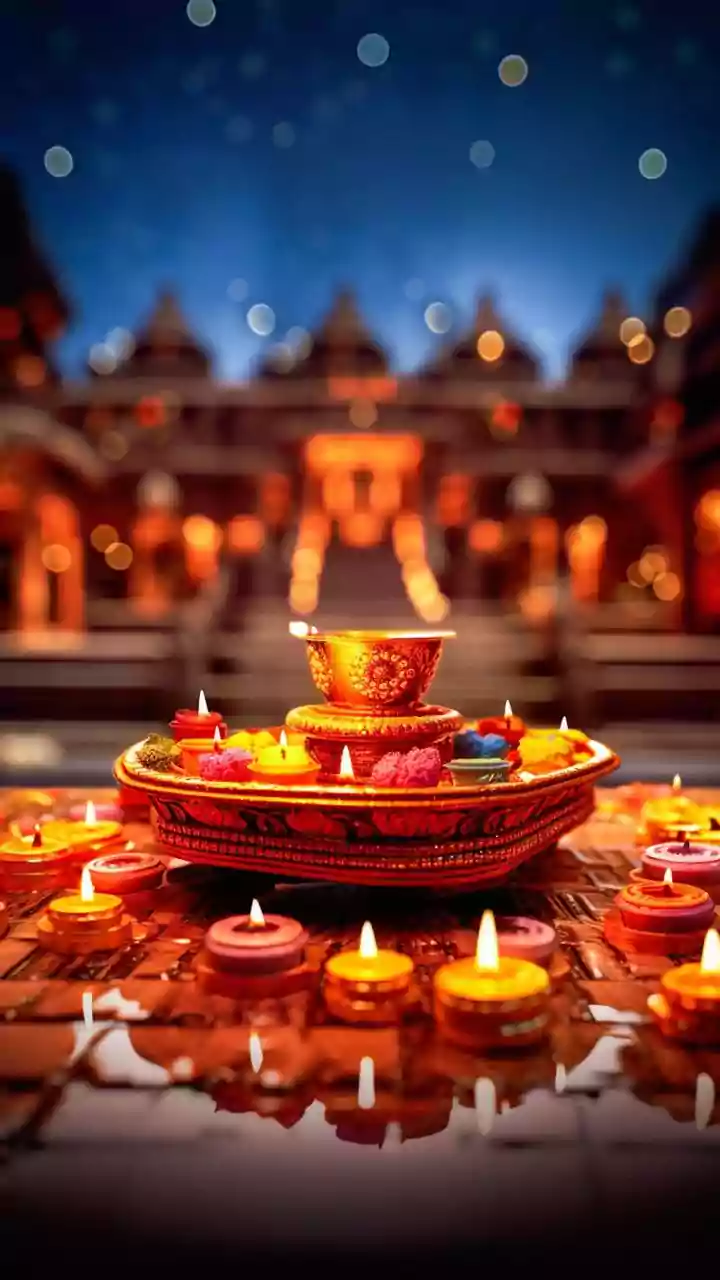
While the waterless fast is the defining feature, the observance is rich with other rituals. The day is dedicated to Lord Vishnu, the preserver in the Hindu trinity. Preparations begin the evening before, with devotees eating a final simple meal and offering prayers. On the day of the fast, many wake before dawn for a ceremonial bath and then spend the day in prayer, meditation, and chanting. Temple visits are common, where special services are held. Holy chants, particularly the 'Om Namo Bhagavate Vasudevaya' mantra and the Hare Krishna mahamantra, fill homes and temples. Devotees often stay awake throughout the night in a vigil known as 'jagran,' reading scriptures like the Bhagavad Gita or listening to stories about Lord Vishnu. The entire day is structured to focus the mind away from physical discomfort and toward spiritual contemplation.
The Importance of Charity (Daan)
A crucial element of Nirjala Ekadashi is the practice of 'Daan,' or charity. Because devotees are abstaining from water themselves, the act of giving water to the thirsty on this day is considered especially virtuous. Many set up stands to offer cool water, sharbat (sweet drinks), and fruit to the public. Donations of food, clothing, and money to Brahmins (priests) and the needy are also an integral part of the observance. This act of giving underscores a core tenet of the faith: spiritual growth is incomplete without compassion for others. By serving the community while undergoing personal austerity, the devotee demonstrates selflessness, amplifying the spiritual rewards of the fast.