

More Than a Recipe
For years, online food content was dominated by slick, hyper-produced videos of impossibly perfect cheese pulls and overhead shots of finished meals. But a powerful shift is underway, driven by a desire for authenticity and connection. Enter 'heritage
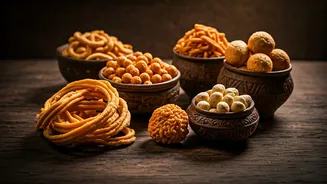
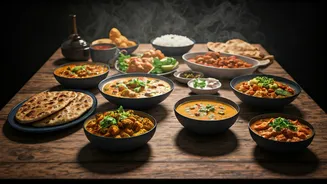
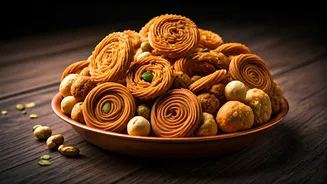
content,' a burgeoning genre where food is less about the final product and more about the process, the people, and the story behind it. It’s where culture is passed down in real time, and the stars aren't celebrity chefs, but mothers, fathers, and grandparents in their home kitchens. In this world, Indian snacks—from the intricate, crunchy spirals of murukku to a simple, comforting cup of masala chai—have become a currency of cultural gold. These aren't just tutorials; they are digital heirlooms, capturing memories, techniques, and family histories that might otherwise be lost.
The Digital Diaspora Kitchen
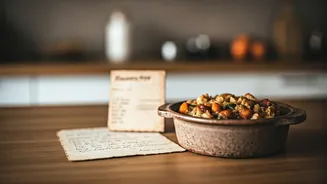
This trend is largely being championed by second- and third-generation Indian Americans. For many, there’s a palpable urgency to document the culinary knowledge of their elders. They act as cultural translators, bridging the gap between their parents' generation, who may not be digitally native, and a global audience hungry for genuine connection. A video of a daughter learning her mother’s specific technique for kneading dough for theplas, complete with friendly banter and gentle corrections, resonates far more deeply than a sterile recipe card. These creators are not just sharing food; they are exploring their own identity, piece by delicious piece. Platforms like TikTok and Instagram Reels, with their emphasis on short-form, personality-driven video, have become the perfect venues for these intimate, unpolished moments from the family kitchen.
From Samosas to Storytelling
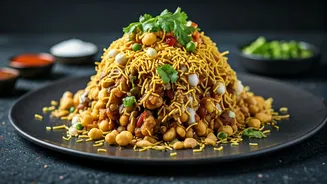
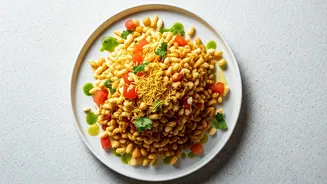
The snacks themselves are a vibrant cast of characters. There's the communal joy of making a huge batch of savory, spiced chevda (snack mix) for Diwali. There’s the rainy-day comfort of deep-frying pakoras (vegetable fritters). There’s the technical artistry of shaping chakli or the simple ritual of a parent preparing a tiffin box of snacks for their child. What makes the content so compelling is the context. A video isn't just about 'How to Make Pakoras.' It's about 'My Mom Making Her Famous Pakoras on a Rainy Sunday.' The camera captures the sizzle of the oil, the specific way a grandmother’s hands move, the family stories shared over the stove. Each video is a miniature documentary, preserving not just a recipe but the emotional landscape that surrounds it.
The Algorithm of Authenticity
So why is this content so successful? Because it taps into something universal. For viewers from the Indian diaspora, it’s a powerful dose of nostalgia and validation—a digital taste of home that feels both familiar and deeply moving. Seeing their specific, often un-glamorous, home foods celebrated on a global stage is incredibly affirming. For audiences outside the culture, it’s an intimate and accessible window into a different world, far more engaging than a formal cooking class. In a digital space often criticized for its superficiality, this content feels refreshingly real. It proves that authenticity—complete with messy kitchens, unscripted moments, and the quiet love embedded in a shared family meal—is what viewers are truly craving. The algorithm rewards this genuine connection, turning these personal moments into viral sensations.