





Build a Better Foundation
A resilient garden starts from the ground up. Heavy, compacted soil is a plant’s worst enemy during a deluge, as it leads to waterlogged roots and suffocation. The single most effective preventative measure is improving your soil’s drainage. Before you even plant,
incorporate organic matter like compost, aged manure, or leaf mold. This material works like a sponge, but a smart one—it holds moisture for dry times but also creates air pockets that allow excess water to drain away freely. For clay-heavy soils that turn to concrete or soup, this amendment is not optional; it’s essential. Regularly aerating your lawn and avoiding walking on garden beds, especially when wet, also prevents the compaction that turns a gentle rain into a flood.
The Right Plant in the Right Place
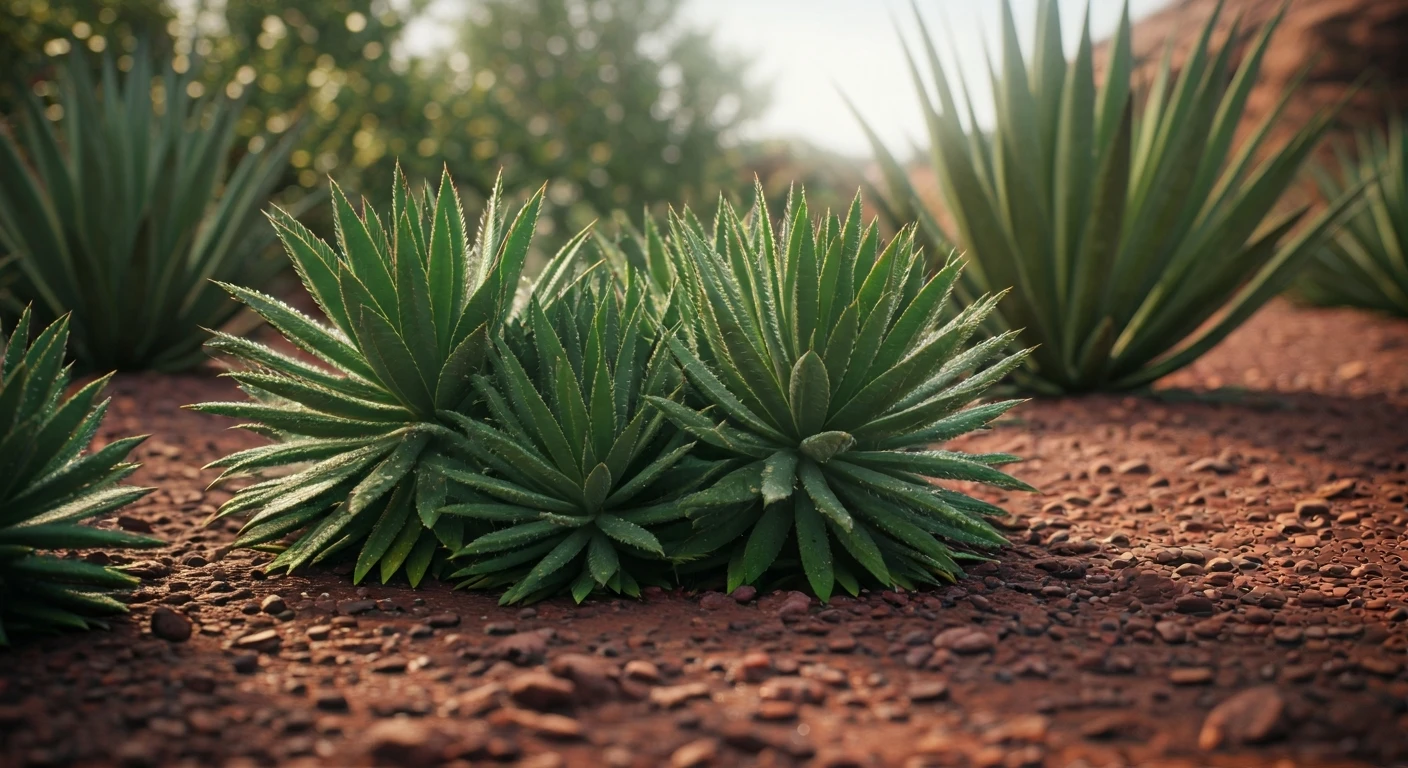
Not all plants are created equal when it comes to handling a soaking. Instead of fighting your climate, work with it. When selecting plants, pay attention to their water needs and native conditions. If you live in an area prone to heavy rainfall, consider incorporating species known for tolerating “wet feet,” such as ferns, irises, or astilbe. Conversely, planting a drought-loving lavender or succulent in a low-lying, water-collecting part of your yard is a recipe for root rot. Observing your landscape during a storm can be revelatory. Note where water pools and where it runs off. Use that information to place moisture-loving plants in the dips and those that prefer to stay dry on higher ground or slopes. This strategic placement alone can solve half your rainy-day problems.
Embrace the Magic of Mulch
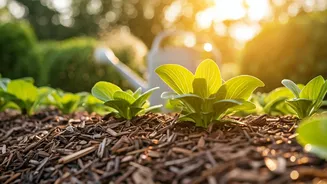
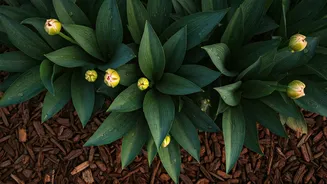
Mulch is the unsung hero of the all-weather garden. While often praised for conserving moisture and suppressing weeds, its role in a downpour is just as critical. A two-to-three-inch layer of organic mulch (like wood chips, straw, or shredded leaves) acts as a protective shield for your soil. It breaks the force of falling raindrops, preventing them from compacting the soil surface and dislodging it. This dramatically reduces erosion, keeping your precious topsoil and nutrients in your garden bed instead of washing into the street. Furthermore, mulch prevents soil-borne fungal spores from splashing onto the lower leaves of your plants—a primary way diseases like blight and powdery mildew spread in wet conditions. It’s a simple, inexpensive step that pays huge dividends in plant and soil health.
Provide Structure and Airflow
Physical damage is another major concern during storms. The combined weight of rainwater and the force of wind can snap stems and flatten entire plants. The preventative fix is to provide support before the storm arrives. Stake tall, top-heavy plants like delphiniums, sunflowers, and tomatoes early in the season. Use cages for sprawling plants like peonies. This isn’t a frantic, last-minute task; it’s a deliberate part of the growing process. Equally important is strategic pruning. Dense, overgrown foliage traps humidity and prevents leaves from drying out after a rain, creating a perfect breeding ground for fungus. Thinning out branches and stems to improve air circulation throughout the plant's canopy is a key preventative measure, ensuring that a passing shower doesn’t become a lingering disease.
Master Your Containers and Raised Beds
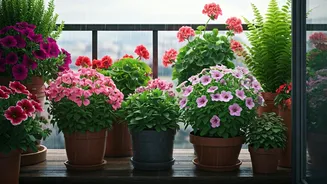
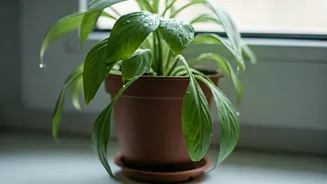
Gardening in pots and raised beds offers more control, but it doesn't grant immunity from downpours. In fact, these controlled environments can become waterlogged even faster than in-ground gardens if not properly managed. First, ensure every container has ample drainage holes. If a pot has one tiny hole, drill more. Second, elevate your containers. Placing pots on “pot feet,” bricks, or simple risers allows water to drain freely and prevents the pot from sitting in a puddle and reabsorbing water through its base. For raised beds, ensure your soil mix is light and drains well—a 50/50 mix of compost and topsoil is often too heavy. Incorporate perlite or small pine bark fines to create a fluffier, more porous medium that won't become a muddy swamp after a storm.