







A Spectacle of Faith and Color
Before the first rope is pulled, the air hums with anticipation. The scene is a riot of sound and color: the deep clang of cymbals, the rhythmic beat of drums, and chants sung in Sanskrit and English. Families dressed in vibrant silks and crisp kurtas
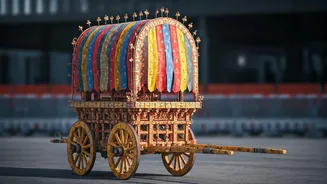
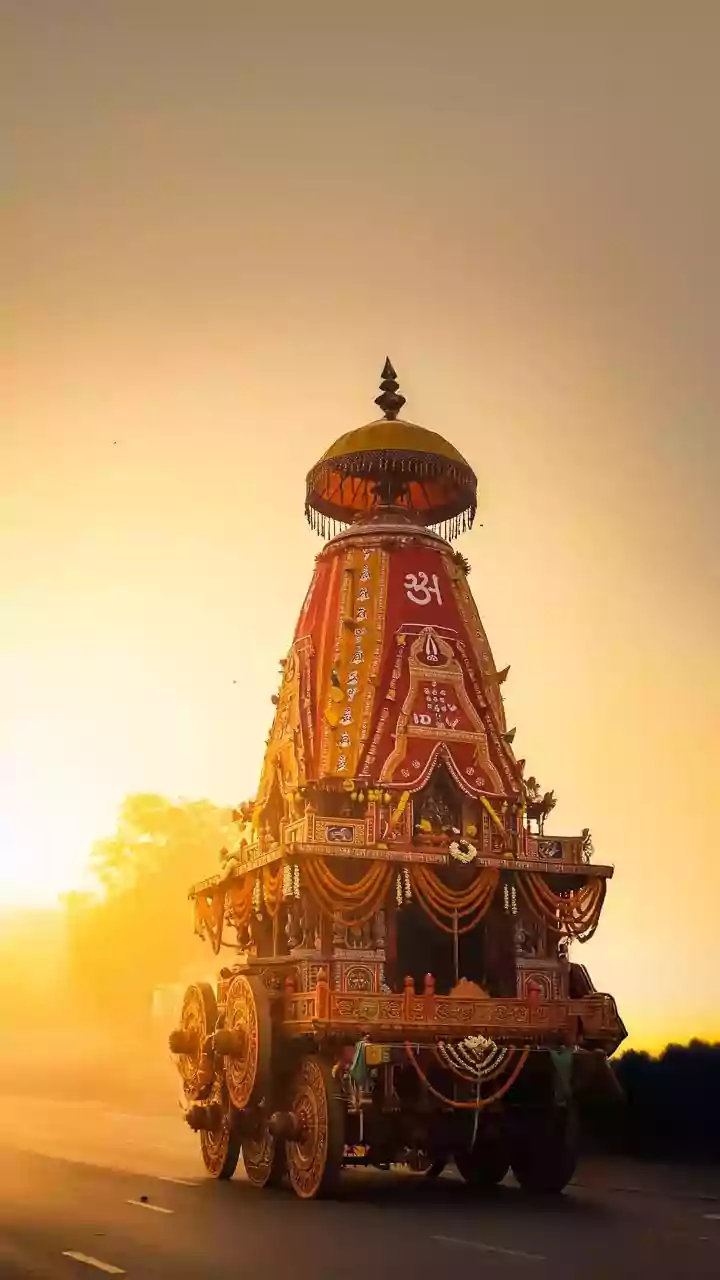
press forward, craning their necks to see the main attraction: three towering, brightly-colored chariots. These are not your typical Thanksgiving Day Parade floats. Each structure, draped in intricate fabrics and topped with a domed canopy, stands over 30 feet tall. They are temporary homes for a trio of deities—Lord Jagannath, his brother Balabhadra, and sister Subhadra—whose carved wooden figures peer out from their sacred perch. The most devoted attendees vie for a chance to grasp the thick, heavy ropes used to pull the chariots. In Hindu tradition, participating in this act of devotion is believed to cleanse sins and bestow immense spiritual merit. For onlookers, it’s a breathtaking cultural spectacle, a piece of ancient India brought to life on American asphalt.
What Exactly Is the Rath Yatra?
At its heart, the Rath Yatra, or “Chariot Festival,” is a public expression of devotion originating from the city of Puri in Odisha, India, over a thousand years ago. The festival commemorates the annual journey of Lord Jagannath—a form of the Hindu god Vishnu—from his main temple to a summer temple for a nine-day retreat. What makes this event so unique is its radical inclusivity. For most of the year, the deities reside within the temple sanctum, accessible only to priests and practicing Hindus. But during Rath Yatra, they come out into the open, allowing everyone, regardless of caste, creed, or background, to see them and receive their blessings. It is a powerful symbol of divine accessibility and social equality. This tradition was popularized in the West in the 1960s by the Hare Krishna movement (ISKCON), and today, dozens of American cities, from New York to San Francisco, host their own versions, drawing tens of thousands of participants from the Indian diaspora and beyond.
The Year-Long Community Effort
An event of this scale doesn't just materialize. The smooth procession is the culmination of nearly a year of meticulous planning, fundraising, and volunteer labor. Local temple communities and cultural organizations form committees to handle everything from chariot construction and decoration to route planning and permit applications. The chariots themselves are often engineering marvels, designed to be assembled and disassembled each year, with braking systems and steering mechanisms that meet modern safety standards. Volunteers spend countless weekends painting panels, sewing fabrics, and preparing the thousands of plates of *prasadam* (sanctified food) that will be distributed freely to all attendees. This massive collaborative effort fosters a powerful sense of community ownership and identity. It’s a project that binds generations, with elders passing down traditional craft techniques to younger members who bring new-world organizational skills to the table.
The Reality of Modern Public Gatherings
The phrase “tight local security arrays” is a nod to the unspoken reality of any large-scale public event in the 21st century. The visible presence of uniformed police officers, barricades lining the route, and coordinated communication between event organizers and law enforcement isn't a sign of a specific threat but rather a new baseline for public safety. Organizers work for months with police departments to create a security plan that protects the crowd without stifling the celebratory atmosphere. It’s a delicate balance. For events like the Rath Yatra, which peacefully occupy public streets, this cooperation is essential. The smooth conclusion is a quiet victory for both the community and the city. It demonstrates that with careful planning and mutual trust, diverse cultural and religious expressions can thrive safely in the public square, much like a St. Patrick's Day parade or a Pride march. The security is the invisible architecture that allows the joy to flow freely.