



The Ghost of Lunches Past
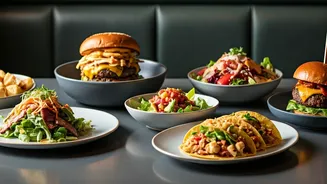
Not so long ago, the American lunch, especially in a professional context, was a statement. It was a plate of fettuccine alfredo that required a post-meal nap, a burger and fries that slowed the afternoon to a crawl, or a steak that was more about asserting
dominance than providing sustenance. This was the era of the ‘three-martini lunch,’ a boozy, decadent ritual that was less about food and more about business theater. It was a time when a long, indulgent meal away from the office was a sign of success and a tool for negotiation. But that culture has been eroding for decades. The 1980s saw a crackdown on business expense deductions for meals, taking the financial incentive out of the equation. More profoundly, workplace culture itself transformed. The leisurely pace of the mid-century gave way to a relentless focus on productivity, optimization, and efficiency. The two-hour lunch break seems laughably indulgent in a world of back-to-back Zoom calls and overflowing inboxes.
Enter the Fast-Casual Revolution
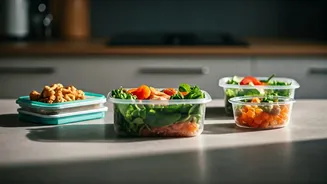
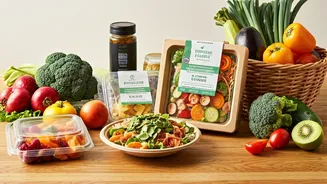
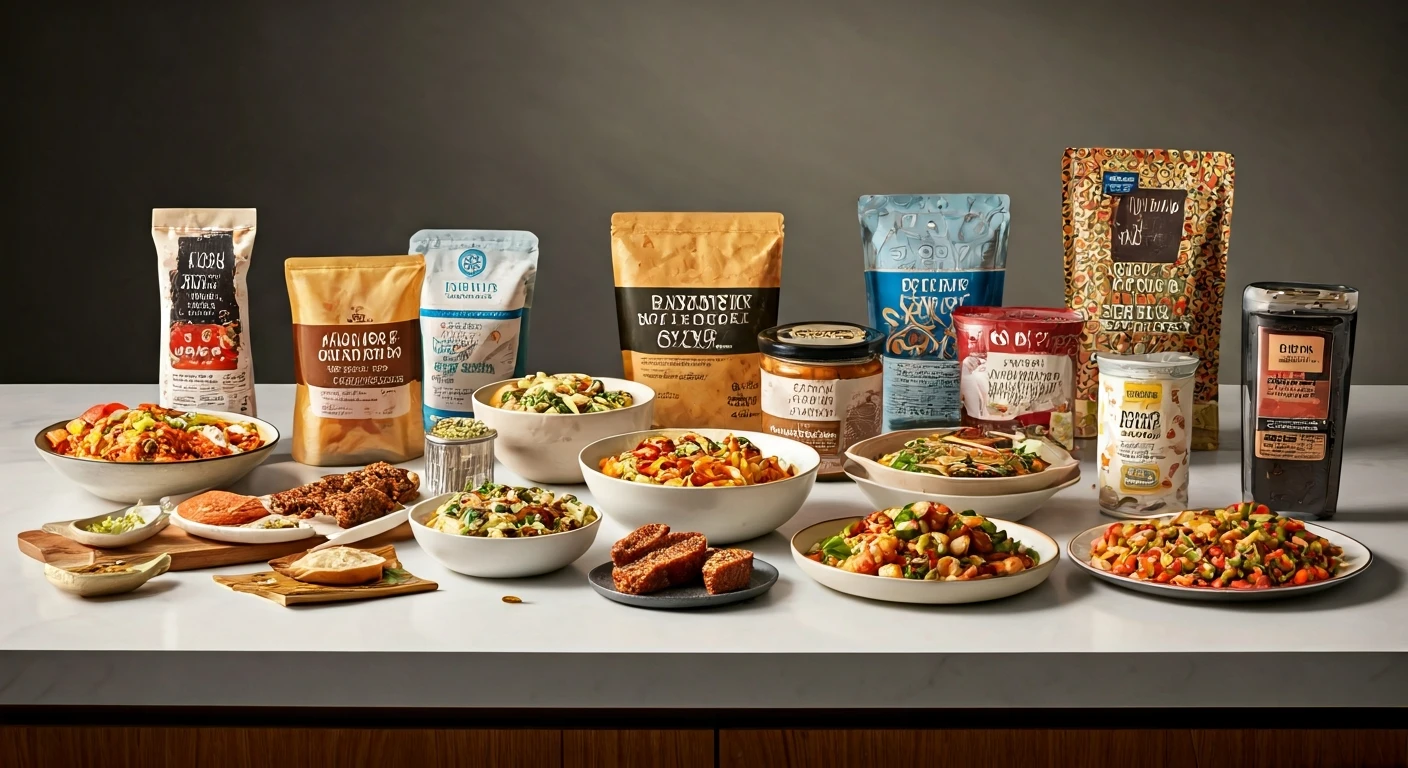
The decline of the heavy lunch created a vacuum, and the fast-casual restaurant industry rushed to fill it. Chains like Sweetgreen, Cava, and a thousand local equivalents offered a new proposition: food that was quick, convenient, and healthy without resorting to traditional fast food. They mastered the art of the assembly line, allowing customers to build customized bowls and salads with fresh, high-quality ingredients in minutes. This wasn't just about speed; it was about control. Diners could dictate their own terms, opting for gluten-free grains, plant-based proteins, and dairy-free dressings. The new lunch ideal wasn't about being served a heavy, pre-ordained plate. It was about constructing a meal that fit your personal dietary needs and your tight schedule. The result? A lunch that energizes you for the afternoon, rather than sending you into a food coma.
What Exactly Is 'Coastal Comfort'?
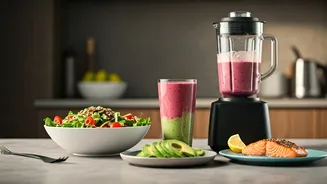
So, what is this 'coastal comfort' that's winning the day? It’s less a specific cuisine and more of an ethos. It’s inspired by the food cultures of places we associate with sun, health, and freshness—the Mediterranean, California, and the Pacific Rim. Think of a vibrant poke bowl with glistening tuna, avocado, and edamame over seasoned rice. Picture a Mediterranean grain bowl layered with quinoa, crisp cucumbers, feta, olives, and a lemon-tahini drizzle. It's a high-end salad that’s actually satisfying, or light, grilled fish tacos with a bright slaw. The 'coastal' part is about the ingredients and the feeling: fresh, clean flavors, often seafood-centric or plant-forward, with an emphasis on color and texture. The 'comfort' part is that it’s still deeply satisfying and flavorful. It’s not deprivation; it’s a modern redefinition of what feels good to eat in the middle of a busy day. It’s comfort food that doesn’t weigh you down.
Wellness as the New Status Symbol
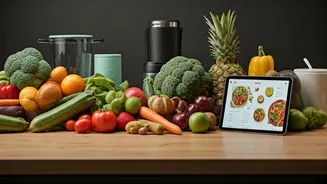
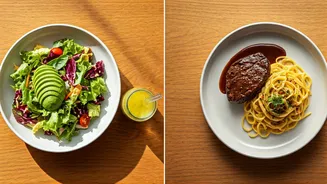
Ultimately, the shift from a heavy steak to a light grain bowl is about a change in what we value and what we want to project. In the Mad Men era, status was communicated through indulgence—the biggest steak, the most expensive bottle of scotch. Today, status is often communicated through discipline, wellness, and self-optimization. An expensive, organic, meticulously constructed salad isn't just lunch; it's a quiet declaration of self-care and an investment in one's personal performance. Choosing a light, healthy meal signals that you're prioritizing long-term energy over short-term pleasure. It says you have a productive afternoon ahead of you. In a culture obsessed with wellness, the fuel we put into our bodies has become a central part of our identity. The heavy lunch represents an old-school, analog version of success. Coastal comfort is its digital-age equivalent: sleek, efficient, and optimized for peak performance.