





The Silent Threat of Dehydration
We know to drink more water when it’s hot, but we often forget our pets can’t just tell us they’re thirsty. Dehydration in dogs and cats can be a serious health risk, leading to lethargy, loss of appetite, and in severe cases, organ damage. Humidity makes
it harder for pets to cool down by panting, increasing their need for water. Signs of dehydration can be subtle at first: look for dry gums, thick saliva, sunken eyes, and a loss of skin elasticity. If you gently pinch the skin on your pet's back and it doesn’t spring back immediately, they may be dehydrated. Catching these signs early is crucial, but preventing the problem in the first place is even better.
Why Still Water Is Sometimes Ignored
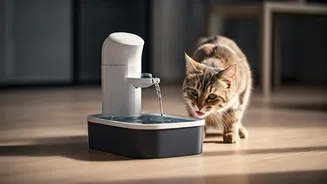
Have you ever caught your cat trying to drink from a dripping faucet or your dog preferring a puddle outside to their clean bowl inside? It’s not just a quirky habit. Many domesticated animals have a natural instinct that associates still, stagnant water with potential contamination. Moving water, on the other hand, signals freshness and safety. This ancestral preference explains why a bowl of water that has been sitting out all day, collecting dust and pet hair, can be unappealing. For picky drinkers, the lack of appeal can lead them to drink less than they should, especially on days when their bodies need it most.
What Makes a Hydration Fountain 'Smart'?
The term “smart fountain” isn’t just about being a tech gadget for your pet. It refers to a set of features designed to make water more appealing, cleaner, and easier for you to manage. The core of any fountain is the pump that circulates the water, creating the gentle flow that attracts pets. But smart models go further. Most include multi-stage filtration systems, often with activated carbon to remove impurities and bad tastes, and a foam filter to catch hair and debris. This keeps the water tasting fresh and clean. Other 'smart' features can include ultra-quiet pumps (so the fountain doesn't scare timid pets), water level sensors that alert you when it's time for a refill, and even app connectivity on high-end models.
The Key Benefit: Consistent, Clean Water
The single greatest advantage of a pet fountain is the constant circulation and filtration. By continuously moving the water, a fountain prevents it from becoming stagnant and developing the slick biofilm that often forms in stationary bowls. The filters work to remove chlorine, heavy metals, hair, and other particles that can affect the taste and smell of the water. The result is an endless supply of fresh, oxygenated, appealing water. This simple upgrade can dramatically increase a pet's daily water intake, supporting proper kidney function, preventing urinary tract issues (especially in cats), and ensuring they stay properly hydrated and energetic, even when the weather is working against them.
Choosing the Right Fountain for Your Pet
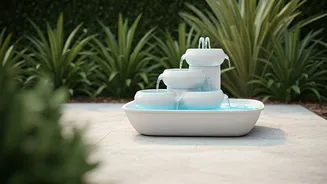
When selecting a fountain, consider a few key factors. First, material matters. Stainless steel and ceramic are durable, easy to clean, non-porous, and dishwasher-safe, making them excellent choices for hygiene. Plastic models are often more affordable but can develop microscopic scratches that harbor bacteria, so they require more diligent cleaning. Second, consider the size and capacity based on your pet and how many animals will be using it. A large dog will need a larger reservoir than a single cat. Finally, pay attention to the noise level. Most modern fountains are designed to be whisper-quiet, but if you have a particularly skittish pet, look for models specifically marketed for their silent operation.