
The Great Cozying
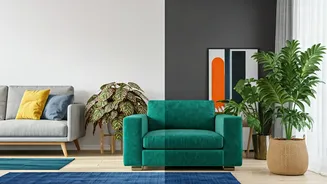
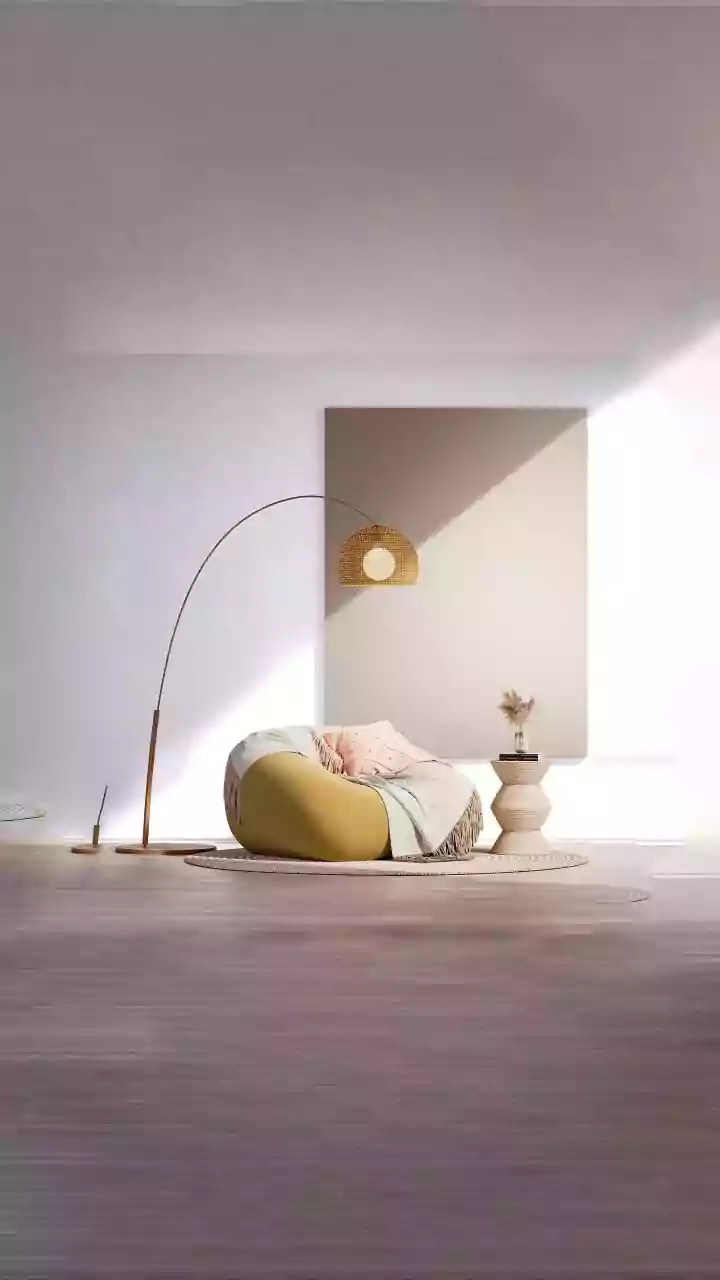
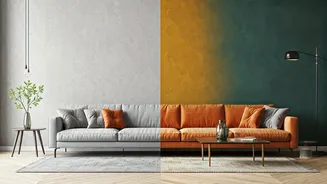
Walk through any new luxury condo or scroll through Instagram circa 2018, and you’ll see it: the aesthetic of absence. It was a world of gray floors, white kitchens, and furniture that looked like it was afraid to touch the walls. The reigning philosophy
was clear: less is more. But after years of living in what some critics called 'sad beige' or 'unfurnished-looking' spaces, homeowners are staging a quiet, comfortable rebellion. We’ve entered the era of The Great Cozying. This isn't just about adding a throw blanket; it's a fundamental shift away from stark minimalism and toward interiors that feel lived-in, layered, and deeply personal. It’s a collective rejection of the showroom in favor of the sanctuary, where comfort, texture, and story are the new currency.
What 'Looking Back' Looks Like
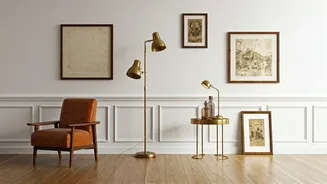
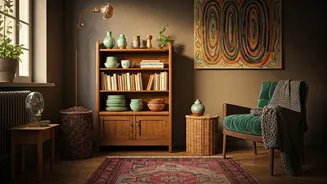
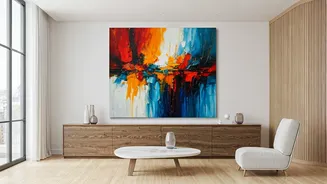
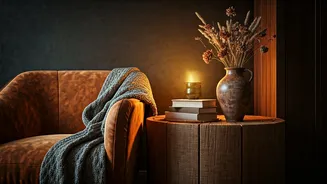
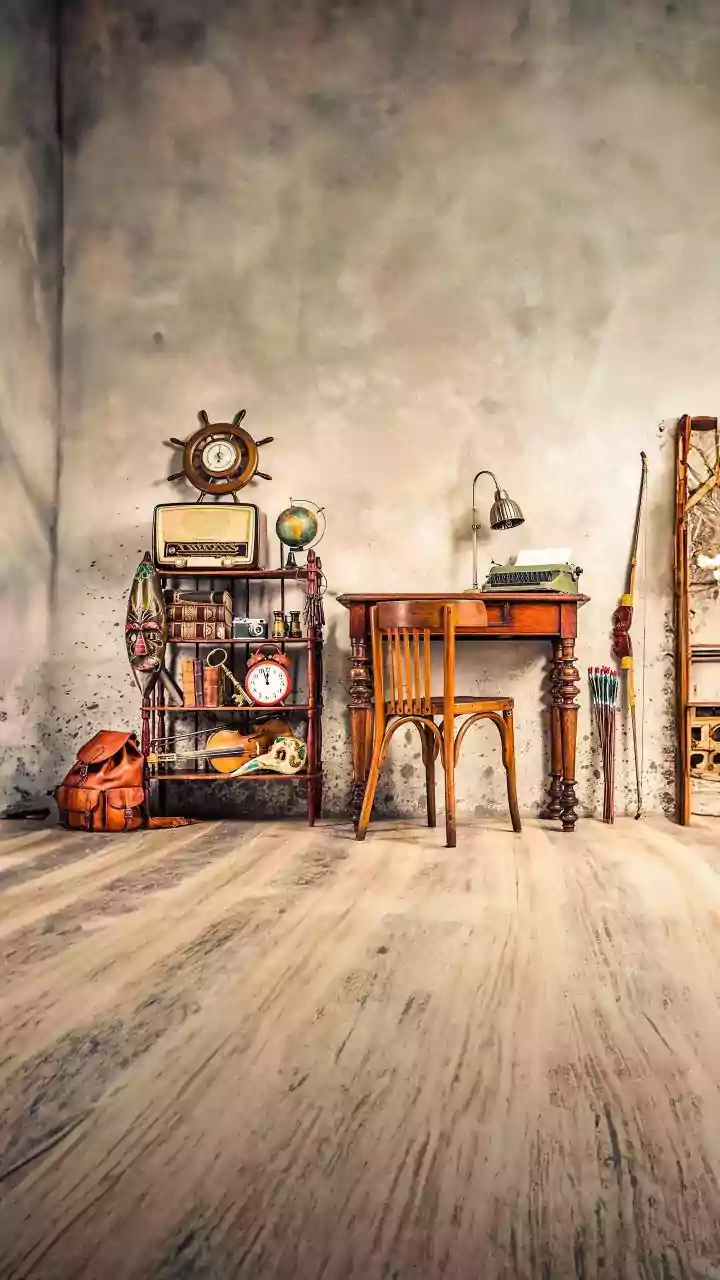
So, what does this nostalgic wave actually look like? It’s not one single style but a family of them, all drawing from the past. You see it in the 'Grandmillennial' trend, where 20- and 30-somethings are embracing the chintz, floral wallpaper, and needlepoint pillows of their grandparents' homes, but with a modern, ironic twist. It’s in the rise of 'English Country House,' with its worn leather armchairs, stacks of books, and beautifully mismatched patterns that suggest generations of comfortable living. Even 'Dark Academia,' with its moody color palettes, vintage art, and wood-paneled walls, is part of this movement. The common threads are a love for natural materials, an appreciation for craftsmanship, and a willingness to mix eras and styles. Think a 1970s mushroom lamp on a Victorian side table, or a modern abstract painting hanging over an antique credenza. It’s curated, not cold.
A Reaction to Digital Burnout
This pivot toward the past isn't happening in a vacuum. Designers and trend forecasters point to several powerful cultural drivers. First, there's the undeniable impact of the pandemic. After being confined to our homes, we started craving spaces that felt less like sterile offices and more like nurturing retreats. We wanted our homes to hug us back. Second, it's a clear antidote to digital fatigue. In a world of endless screens and intangible assets, there’s a growing desire for the tangible, the textured, and the real. An old, worn wooden bowl or a hand-stitched quilt tells a story and provides a tactile connection to history that a sleek, mass-produced object simply cannot. It’s about creating an offline oasis in an overwhelmingly online world, a place where the algorithm can’t find you.
It’s About Story, Not Stuff
Perhaps the most compelling part of this trend is its emphasis on personalization. While minimalism often sought to erase the owner’s personality in favor of a universal ideal of 'good taste,' this new approach is all about putting your life on display. The goal isn’t to create a perfect, museum-quality period room. It's to build a home that reflects who you are and where you've been. That inherited armchair with the slightly frayed upholstery isn't a flaw; it's a story. The collection of mismatched ceramics from your travels isn't clutter; it's a visual diary. This style invites you to go to flea markets, shop at antique stores, and, most importantly, honor the pieces passed down through your own family. It transforms decorating from an act of consumption into an act of autobiography.