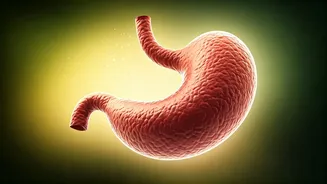







Why This Weather Wreaks Havoc on Your Gut
The combination of heat and moisture is a breeding ground for harmful bacteria, viruses, and parasites. Pathogens like E. coli, Salmonella, and Giardia thrive in warm, wet environments, increasing the risk of contamination in our food and water supply.
When temperatures soar, food spoils faster, and stagnant water from heavy rains can compromise municipal water sources or private wells. Furthermore, high humidity can slow down our digestion, leading to bloating and discomfort. Our bodies work harder to stay cool, diverting blood flow away from the digestive tract, which can make it more sensitive and less efficient.
Master Food Safety in Your Kitchen
Your first line of defense is impeccable food hygiene. During hot and humid months, be extra vigilant. Wash your hands thoroughly before and after handling food, especially raw meat and produce. Use separate cutting boards for produce and raw proteins to prevent cross-contamination. Cook food to its proper internal temperature, and don't let perishable items sit out for more than an hour if the temperature is above 90°F. Be especially cautious with street food or items from potlucks and outdoor buffets, where temperature control can be uncertain. When in doubt, it's always safer to opt for well-cooked, hot meals over raw or lukewarm dishes that may have been sitting out.
Hydrate Wisely and Safely
Staying hydrated is crucial in the heat, but the source of your water matters more than ever. If you live in an area prone to flooding or have a private well, be aware that heavy rainfall can introduce contaminants into your water supply. Stick to bottled, filtered, or boiled water for drinking and cooking if you have any doubts about its safety. Be wary of ice in drinks when you're out, as it’s often made from tap water that may not be filtered. Instead of sugary sodas or juices, which can sometimes worsen digestive upset, opt for plain water, coconut water, or herbal teas to replenish fluids and electrolytes.
Rethink Your 'Light' Summer Diet
It's natural to crave lighter foods like salads and fresh fruit in the heat. While healthy, raw produce carries a higher risk of contamination if not washed properly. Thoroughly rinse all fruits and vegetables under running water, even those with peels you don't eat, as bacteria can transfer from the peel to the flesh when you cut into it. Consider peeling fruits like apples and cucumbers for an extra layer of safety. This is also a good time to avoid very oily or heavy fried foods, which can be harder for a heat-stressed digestive system to process and may lead to feelings of sluggishness and indigestion.
Support Your Gut Microbiome
A robust gut microbiome—the community of trillions of bacteria living in your digestive tract—is your ally against invading pathogens. You can support it by incorporating probiotic-rich foods into your diet. Yogurt, kefir, kimchi, and kombucha are excellent sources of beneficial bacteria that help maintain a healthy balance in your gut. Prebiotic foods, which feed these good bacteria, are also important. Onions, garlic, bananas, and whole grains are great options. Limiting highly processed foods and excess sugar can also prevent the overgrowth of less desirable gut microbes, keeping your internal ecosystem strong and resilient.
Know the Warning Signs
Even with precautions, digestive distress can happen. It’s important to recognize the difference between mild discomfort and something more serious. Common symptoms of foodborne illness include nausea, vomiting, diarrhea, and abdominal cramps, which typically appear within hours or days of consuming contaminated food. Most cases resolve on their own with rest and hydration. However, you should seek medical attention if you experience severe symptoms like a high fever, bloody stools, signs of dehydration (such as minimal urination or extreme dizziness), or if symptoms persist for more than a few days.