





Beyond the Curry Aisle
For decades, the American understanding of Indian food has been a delicious but narrow slice of the subcontinent’s cuisine: chicken tikka masala, naan, and samosas. While these dishes are beloved, they represent a homogenized version of a culinary landscape
that is as diverse as Europe's. Now, a strategic shift is underway. India isn't just exporting food; it's exporting a narrative of regional authenticity and wellness. The new stars aren't from a generic 'Indian' playbook but from specific regions: ragi from Karnataka, black rice from Manipur, and jackfruit from Kerala. This isn't an accidental trend. It's a calculated 'power move' blending agricultural policy, economic ambition, and cultural diplomacy, with a target of making these regional treasures household names in the U.S. and beyond by 2026.
The Millet Revolution
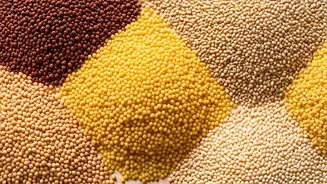
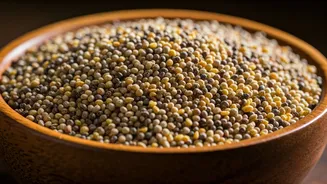
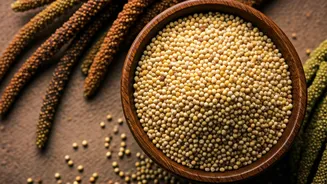
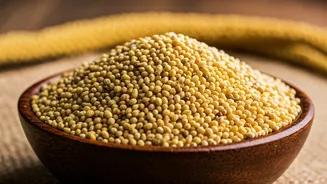
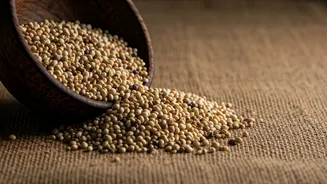
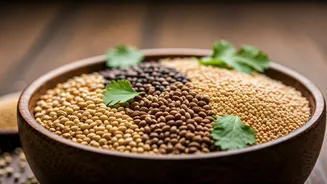
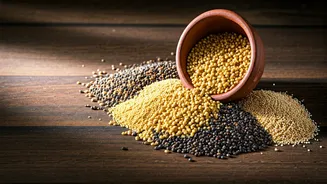
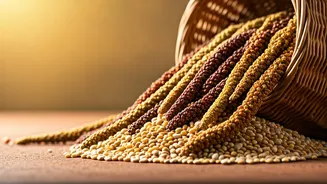
The most visible part of this strategy is the 'millet revolution.' If you haven’t heard of millets, you will soon. This family of ancient, hardy grains—like sorghum (jowar), pearl millet (bajra), and finger millet (ragi)—was once a staple across India before being overshadowed by wheat and rice. Now, they are being rebranded as the ultimate wellness food. Millets are naturally gluten-free, high in protein and fiber, and have a low glycemic index. More importantly, they are climate-resilient, requiring far less water than other major crops. Recognizing this, the Indian government successfully lobbied the United Nations to declare 2023 the 'International Year of Millets.' This wasn't just a feel-good designation; it was a global marketing campaign to prime international markets, create new supply chains, and position India as the leader in sustainable, healthy grains for a world grappling with climate change and food security.
From Ancient Grains to Global Brands
A government initiative is one thing, but a market move requires private-sector execution. Indian entrepreneurs and food-tech startups are rushing to meet the moment, transforming these humble regional ingredients into slick, consumer-friendly products for the global north. Think millet-based pasta, puffed sorghum snacks that look like popcorn, and breakfast cereals made from ragi. They are bypassing the 'ethnic' food aisle and aiming straight for the premium wellness and free-from sections of American grocery stores. The packaging is modern, the health benefits are clearly labeled (Gluten-Free! Plant-Based! Ancient Grain!), and the story is compelling. This is about taking ingredients that have nourished communities for centuries and giving them the same branding treatment that turned quinoa and acai into global phenomena.
The Soft Power of Food
Ultimately, this is about more than just economics. It's about 'soft power'—the ability to influence others through culture rather than coercion. Japan has its sushi, Italy has its pasta, and France has its wine. These foods are not just exports; they are ambassadors for their entire culture, creating a halo of positive association. By showcasing the incredible diversity of its regional cuisines, India is presenting a new, more nuanced identity to the world. It’s a shift away from colonial-era clichés and toward a narrative of a modern, innovative nation that is also deeply connected to its ancient roots. Every time an American consumer chooses a jackfruit-based meat alternative or a sorghum grain bowl, it’s a small victory in this larger campaign. The goal is for India to not only feed the world but also to shape its tastes and wellness conversations for years to come.