




Peak Beauty Without Peak Prices
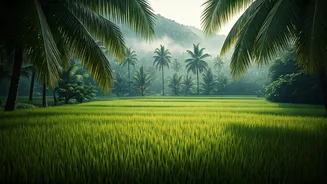
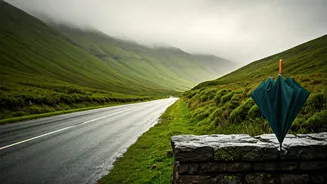
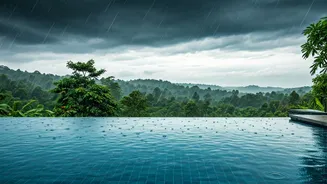
The term “green” South India typically refers to the period during and immediately after the monsoon season (roughly June to October). While many travelers shy away from the rain, this is when the region is at its most breathtakingly vibrant. The Western
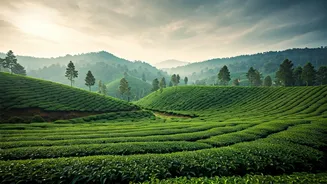
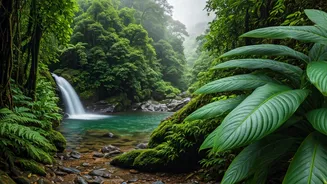
Ghats, a UNESCO World Heritage site that runs through states like Kerala and Tamil Nadu, come alive in a thousand shades of green. Waterfalls are thunderous, tea plantations are blanketed in mist, and the famous Keralan backwaters are replenished and serene. The best part? This is considered the “shoulder season,” meaning flight and hotel prices are often significantly lower than during the peak dry season from December to February. You get the A-list scenery for B-list prices.
Luxury That’s Actually Affordable
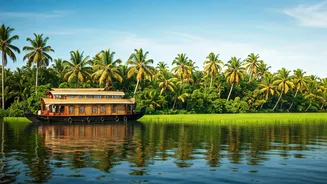
Your travel budget stretches incredibly far here. What might get you a standard hotel room in Europe or the Caribbean can secure you a stunning and unique experience in South India. Imagine chartering a private “kettuvallam” (a traditional thatched-roof houseboat) to cruise the tranquil backwaters of Alleppey for a night, with a personal chef on board. Or consider staying in a boutique hotel nestled within a Munnar tea estate, waking up to misty mountain views. Five-star hotels and wellness resorts specializing in authentic Ayurvedic treatments offer packages that cost a fraction of what a comparable spa weekend would run in the U.S. It’s not about finding a cheap trip; it’s about accessing a level of luxury and service that feels impossibly out of reach elsewhere.
A World-Class Food Scene for Pennies
Prepare for one of the world's most exciting and diverse culinary journeys. Southern Indian food is a universe away from the standard fare you might find at your local Indian-American restaurant. Each state has its own distinct cuisine. In Kerala, you’ll find fragrant coconut-based fish curries and fluffy appam (rice pancakes). In Tamil Nadu, it’s all about crispy dosas, tangy sambar, and complex Chettinad spice blends. And the cost is astonishingly low. You can feast on a delicious, multi-course meal at a local eatery for just a few dollars. Even dining at high-end restaurants in cities like Kochi or Chennai offers incredible value, allowing you to indulge your inner foodie without emptying your wallet.
Incredible Diversity in One Trip
South India isn’t a one-note destination. Within a relatively compact area, you can experience a staggering variety of landscapes and cultures. Start by exploring the colonial history and burgeoning art scene of Fort Kochi. Then, head for the hills of Munnar or Wayanad to hike through spice and tea plantations. Journey down to the backwaters for a serene houseboat cruise. Finally, relax on the golden sands of Varkala or Marari Beach. This geographical diversity means you can pack several different types of vacations into one, all connected by scenic drives or inexpensive train journeys. You avoid the cost and hassle of multiple flights that a similarly varied trip in, say, Southeast Asia might require.
Fewer Crowds, More Connection
Traveling during the green season means you’ll be sharing these incredible sights with far fewer tourists. Popular viewpoints are less crowded, and you’ll have a more intimate experience exploring ancient temples in Madurai or the French colonial architecture of Pondicherry. The slower pace fosters a more authentic connection with the place and its people. Locals are often more relaxed outside the hectic peak season, and you’ll find it easier to strike up a conversation, get a table at a sought-after restaurant, or simply find a quiet moment to soak it all in. It’s the difference between seeing a destination and truly experiencing it.