

Beyond a Menu Buzzword
Let’s be honest: the term “seasonal” has been thrown around on menus for years, sometimes with more marketing savvy than actual substance. But for a growing number of chefs and consumers, it’s becoming a serious guiding principle. True seasonal eating
isn’t just about putting asparagus on the menu in spring; it’s about building meals around what is being harvested right now, in your region. It’s a philosophy that rejects the energy-intensive global cold chain that brings us Chilean grapes in March and Mexican berries in December. Instead of demanding every ingredient be available 365 days a year, this approach embraces the natural, fleeting abundance of a specific time and place. This means menus that can change weekly or even daily, reflecting not just the season, but the specific haul from a partner farm. It’s a return to an older, more logical way of eating, updated for a modern, climate-conscious world.
The Climate on Your Plate
So, how does choosing a local peach over a Peruvian one actually help the planet? The connection is surprisingly direct. First, there’s the carbon footprint of transportation. Food in the United States travels an average of 1,500 miles to get from farm to plate. Sourcing locally drastically cuts down on “food miles” and the fossil fuels burned for trucking and refrigeration. Beyond transport, seasonal eating often means less reliance on energy-guzzling greenhouses needed to simulate summer conditions in the dead of winter. Foods grown in their natural season and climate require less irrigation, fewer pesticides, and less artificial intervention overall. For a climate-aware diner, this isn’t about sacrifice. It’s about making an empowered choice where your dollar supports a more resilient, lower-impact food system. Each meal becomes a small but meaningful vote for sustainability.
A New Definition of Luxury
The most fascinating part of this trend is how it’s redefining culinary luxury. The ultimate indulgence is no longer rarity defined by distance, but rarity defined by time. A strawberry grown in a heated greenhouse in January might look the part, but it lacks the concentrated, sun-ripened sweetness of a strawberry picked from a local field in June. That ephemeral, peak-season flavor is something that cannot be faked or imported. Chefs at top restaurants are leading the charge, building their reputations on their ability to capture and elevate these fleeting moments. They showcase the story of their region through its produce, from foraged ramps in the spring to root vegetables in the fall. This has a trickle-down effect. As diners experience the superior taste of a truly seasonal dish at a restaurant, they start to seek it out for their own kitchens, creating a virtuous cycle that supports local farmers and celebrates authentic flavor.
Finding Your Season
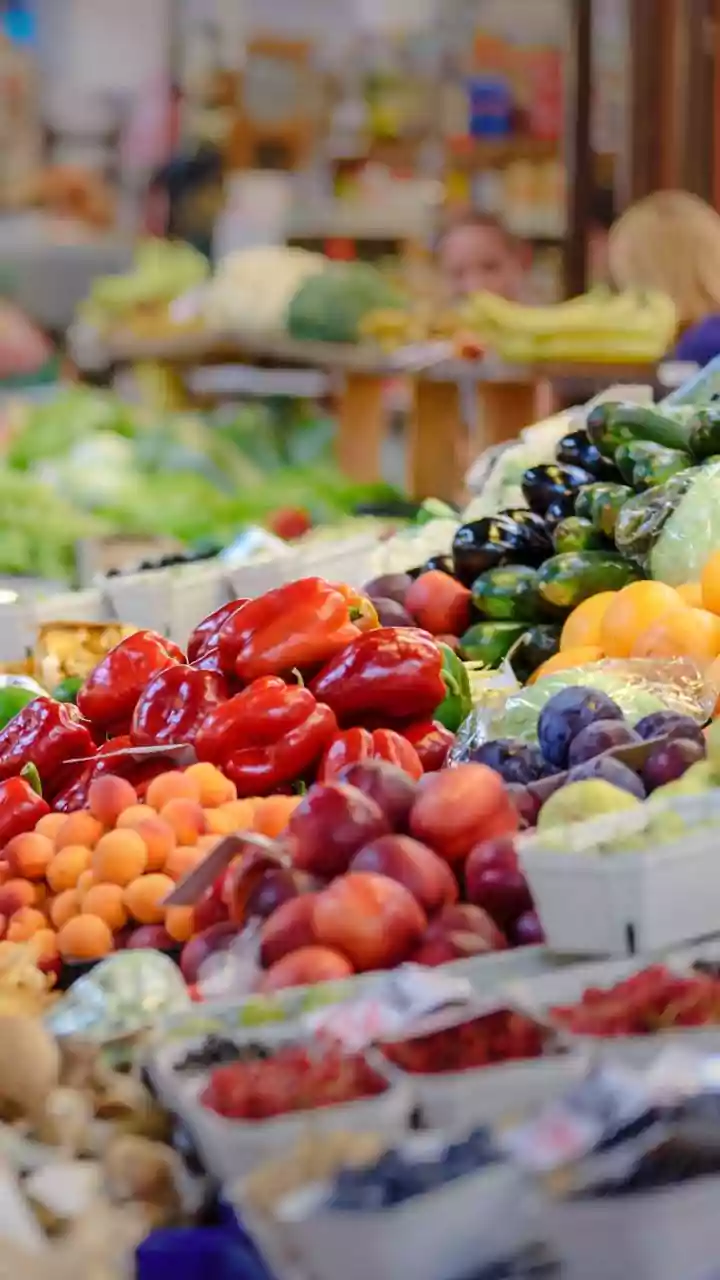
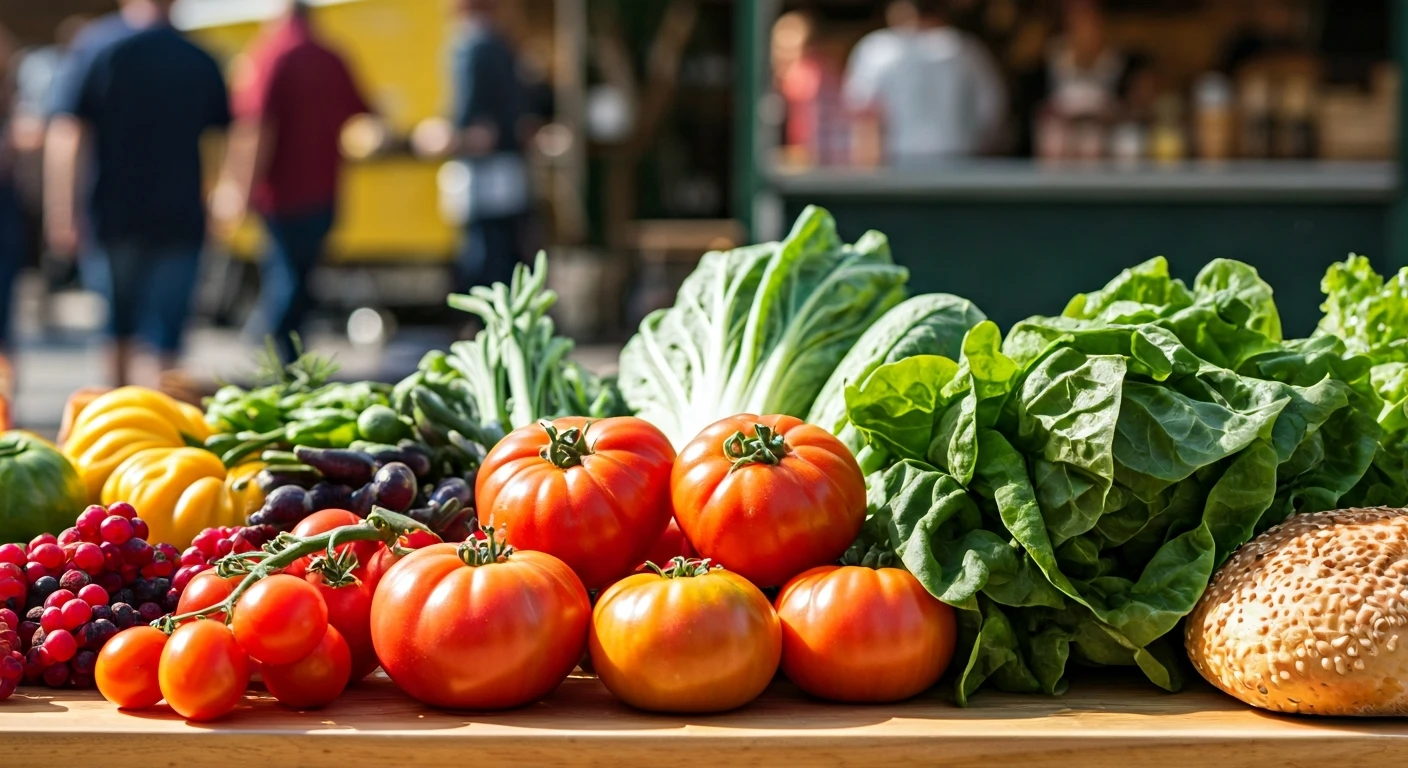
This shift isn't just happening in Michelin-starred restaurants. It’s visible at your neighborhood farmers' market, where the offerings change dramatically from month to month. It’s in the explosion of Community Supported Agriculture (CSA) programs, where members receive a weekly box of whatever the farm is harvesting. For home cooks, it introduces a fun and creative challenge: what do I do with all this zucchini in August, or these winter squashes in November? It encourages trying new vegetables and rediscovering the true taste of familiar ones. Instead of a rigid, year-round shopping list, cooking becomes an act of discovery, guided by what looks and smells best at the market. It's a way to connect more deeply with your food, the people who grow it, and the natural rhythms of the world around you.