



The Burnout from Performative Fitness
Remember the 75 Hard challenge? Or the endless stream of 30-day shred videos that promised a total body transformation if you could just survive four weeks of relentless HIIT? For the better part of a decade, social media-driven fitness was defined by
its extremism. The goal wasn't just to be fit; it was to be visibly, punishingly, and performatively fit. This 'workout madness' was fueled by aesthetics and algorithms, rewarding intensity over consistency and generating millions of clicks from workouts that were often unsafe, unsustainable, or simply miserable. The problem with this approach is baked into its design: it's a spectacle. These challenges are built for short-term engagement, not long-term health. The result for many was a cycle of intense effort followed by burnout, injury, or a sense of failure for not achieving the flawless 'after' photo promised by an influencer. The pressure to keep up led not to a healthier population, but a more anxious one, constantly feeling like they were falling short.
The Shift Toward Intentional Training
In place of this chaos, a different philosophy is emerging. Instead of asking, 'What's the hardest workout I can do?' people are starting to ask, 'What's the smartest way to reach my specific goal?' The new currency of fitness isn't sweat-drenched selfies, but tangible, measurable progress. This looks less like a frantic, flailing HIIT class and more like a runner diligently following a 5K training plan, a lifter methodically adding five pounds to their deadlift, or someone simply aiming to close their activity rings every day for a month. These goals are personal, not universal. They are about competing with yourself, not with a stranger on TikTok. This approach, often called 'intentional training,' emphasizes structure, patience, and data. It reframes exercise from a punishment for what you ate into a celebration of what your body can achieve over time. Whether it's training for a local race, mastering a pull-up, or improving cardiovascular health through 'Zone 2' cardio, the focus is on the journey and the personal win.
Why Is This Happening Now?
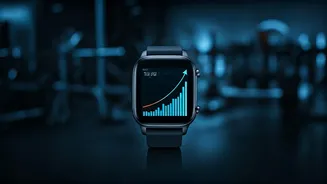
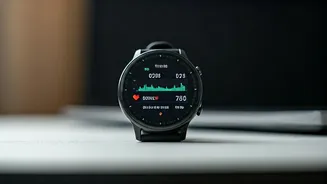
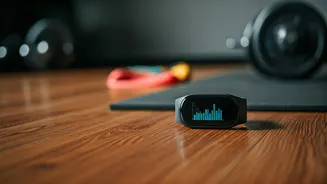
Several factors are driving this backlash to burnout culture. The post-pandemic world left many re-evaluating their relationship with health, seeking longevity and mental well-being over quick physical fixes. There's a growing collective fatigue with the pressure of online perfection. We're tired of feeling like we're not enough, and that extends to our fitness routines. Furthermore, the rise of accessible fitness technology has played a monumental role. Wearables from brands like Apple, Garmin, and Whoop have democratized personal health data. You no longer need an elite coach to understand your sleep quality, recovery status, or heart rate variability. This data empowers people to make smarter decisions, encouraging them to take a rest day when their body needs it or to push harder when they're fully recovered. Technology is turning from a source of social pressure (Instagram) into a tool for personal guidance (your wrist).
What Progress Over Perfection Looks Like
Adopting this mindset means redefining what a 'successful' workout is. It's not about being exhausted at the end; it's about executing your plan for the day. For a strength athlete, that might mean hitting their prescribed reps and sets with good form. For a beginner, it could be walking for 20 minutes without stopping. Success becomes a measure of consistency, not intensity. This trend also champions 'hybrid fitness'—combining different modalities like running, lifting, and yoga to build a more well-rounded, resilient body. It acknowledges that health is holistic. A grueling workout is useless if you're only sleeping four hours a night. By tracking metrics like sleep, recovery, and daily movement, people are building healthier lives, not just harder bodies. The goalpost has moved from a temporary aesthetic change to a permanent lifestyle improvement.