






The Rise of the Quantified Self
Forget the washboard abs you once tore out of a magazine. The new status symbol in wellness isn't something you can easily see; it’s a data set you can share. Welcome to the era of measurable progress, where the goal isn't just to look good, but to have
the numbers to prove you're getting better. This is the world of the “quantified self,” a movement from the fringes of Silicon Valley tech-biohacking into the mainstream of American fitness culture. Instead of judging success by the bathroom scale or the mirror, millions are now tracking their sleep scores on Whoop bands, chasing personal records on Strava, and analyzing their Heart Rate Variability (HRV) on their Garmin watches. The conversation has shifted from “How do I get leaner?” to “How can I improve my deep sleep by 10%?” or “Can I beat my Peloton output from last Tuesday?” The six-pack was a static, aesthetic goal. Measurable progress is a dynamic, ongoing process—a game you can play with yourself every single day.
Why Data Became the New Definition of Fit
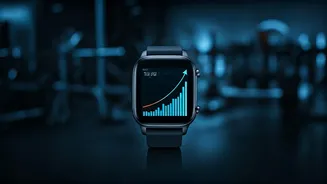
Several forces converged to dethrone the six-pack. The most obvious is technology. Wearable fitness trackers, once clunky novelties, are now sleek, sophisticated lifestyle accessories. The Apple Watch, with its insistent 'rings,' gamified daily movement for a generation. Brands like Whoop and Oura took it a step further, focusing not just on activity but on recovery, turning sleep into a competitive sport. But the pandemic also played a crucial role. Confined to our homes, we turned inward. The closure of gyms pushed people toward individual, trackable activities like running and cycling. More profoundly, a global health crisis shifted focus from cosmetic fitness to genuine wellness. Suddenly, metrics related to cardiovascular health, sleep quality, and stress levels felt more urgent and meaningful than fitting into a certain size of jeans. This new obsession is less about vanity and more about a desire for control and optimization in an uncertain world.
The Upside of the Obsession
This shift isn't all bad; in many ways, it's a significant improvement. A focus on performance and internal health metrics is often more inclusive than a rigid aesthetic ideal. Your ability to get a six-pack is heavily dependent on genetics and body fat percentage, but nearly anyone can work to improve their 5k time, increase their daily step count, or get more consistent sleep. This creates a more personalized and empowering fitness journey. Small, measurable wins provide a steady drip of dopamine that keeps you motivated. It’s easier to stay consistent when your watch congratulates you for hitting a new active calorie record than when you’re staring in the mirror, waiting weeks for a visible change. By tracking metrics like sleep and recovery, we're also forced to acknowledge that health is holistic—it's not just about punishing workouts, but also about rest, stress management, and balance.
When Progress Becomes Pressure
Of course, there’s a dark side. The new six-pack can be just as tyrannical as the old one. Waking up to a poor “readiness score” can create a self-fulfilling prophecy of a bad day, causing anxiety and guilt. The pressure to constantly “close the rings” or maintain a streak can turn joyful movement into a joyless chore. What happens when you go on vacation and can't hit your numbers? Does that mean you failed? This data-driven approach risks disconnecting us from our bodies' innate wisdom. Instead of listening to whether we feel tired, we check an app to tell us. This outsourcing of intuition can lead to a new form of dysmorphia—not body dysmorphia, but data dysmorphia, where we feel our day is ruined if the numbers aren't perfect. The obsession with optimization can strip the simple pleasure out of a walk in the park or a casual bike ride, turning everything into a performance to be measured and judged.