



The Land of Endless Rain
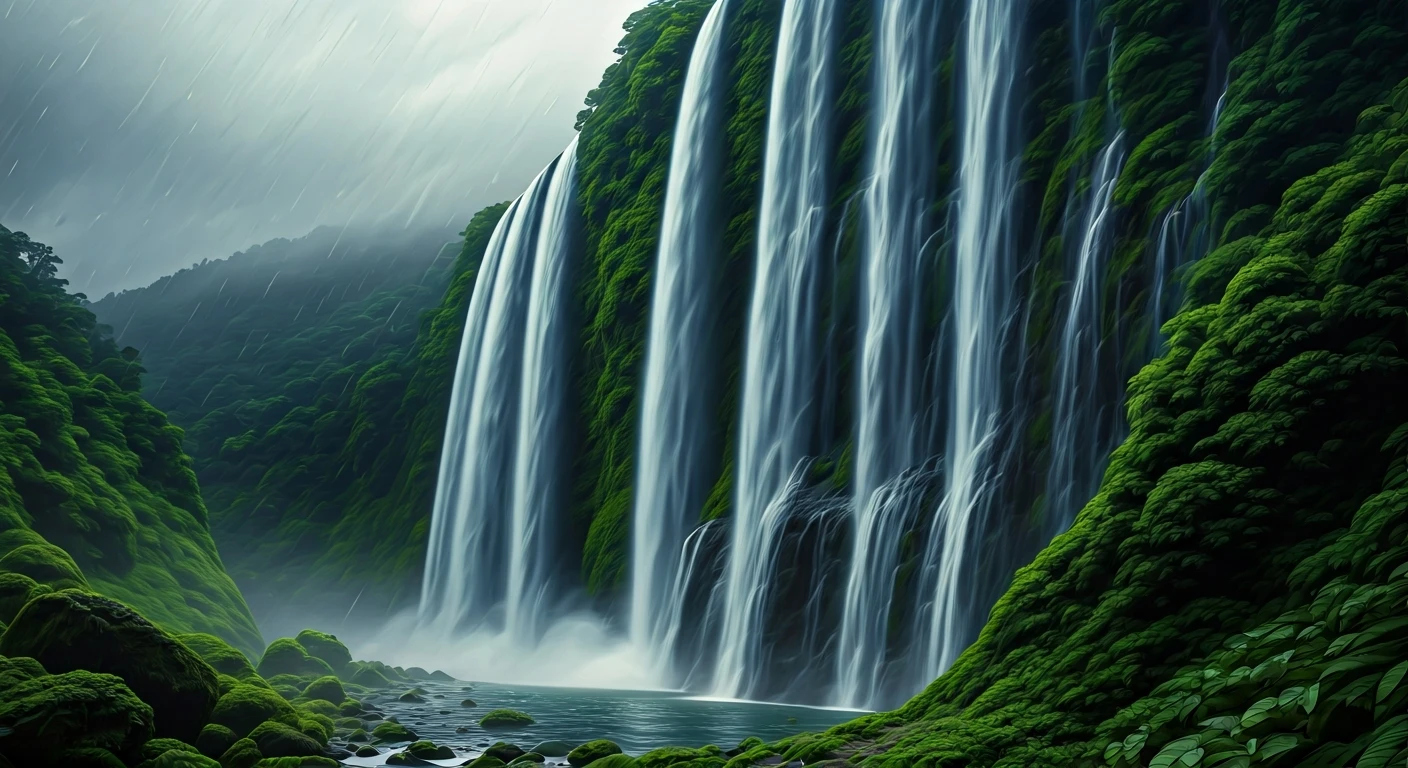
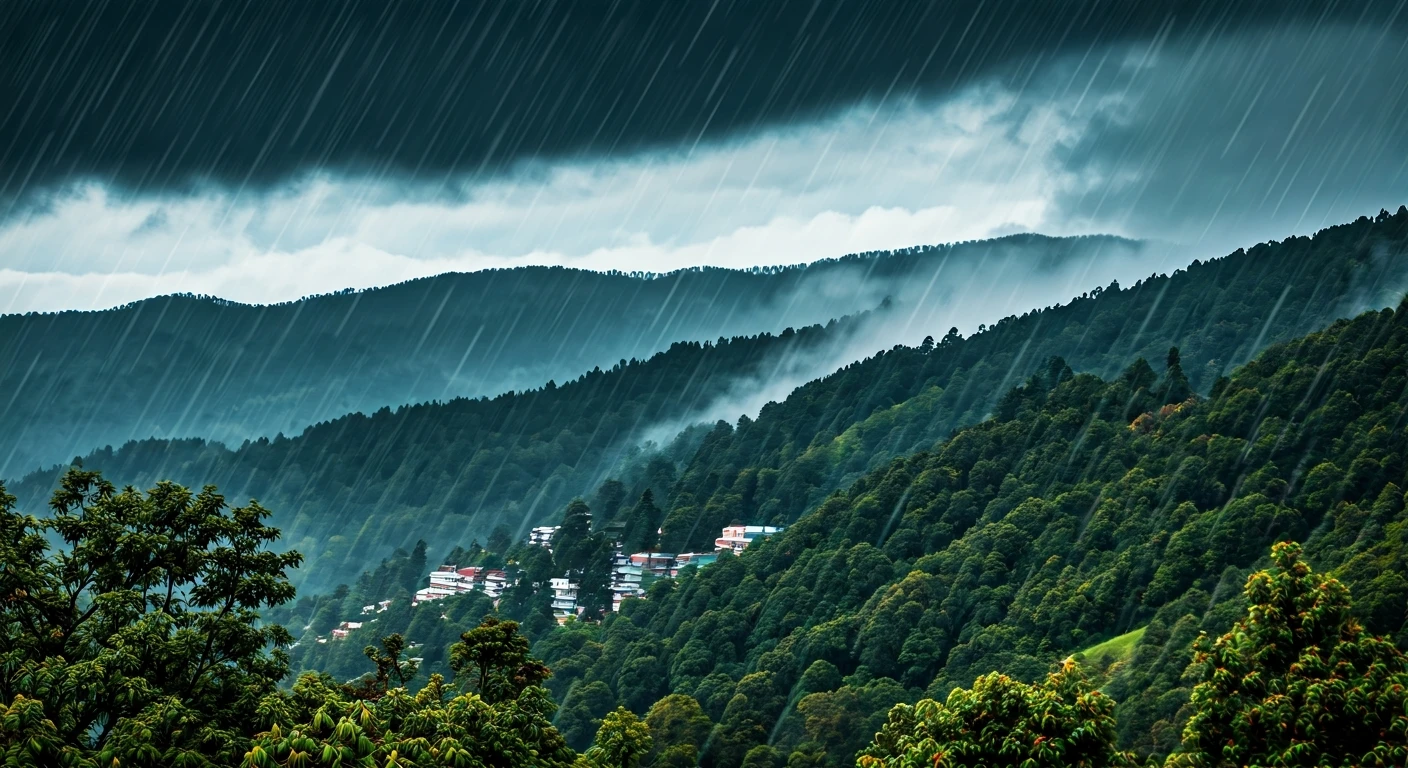
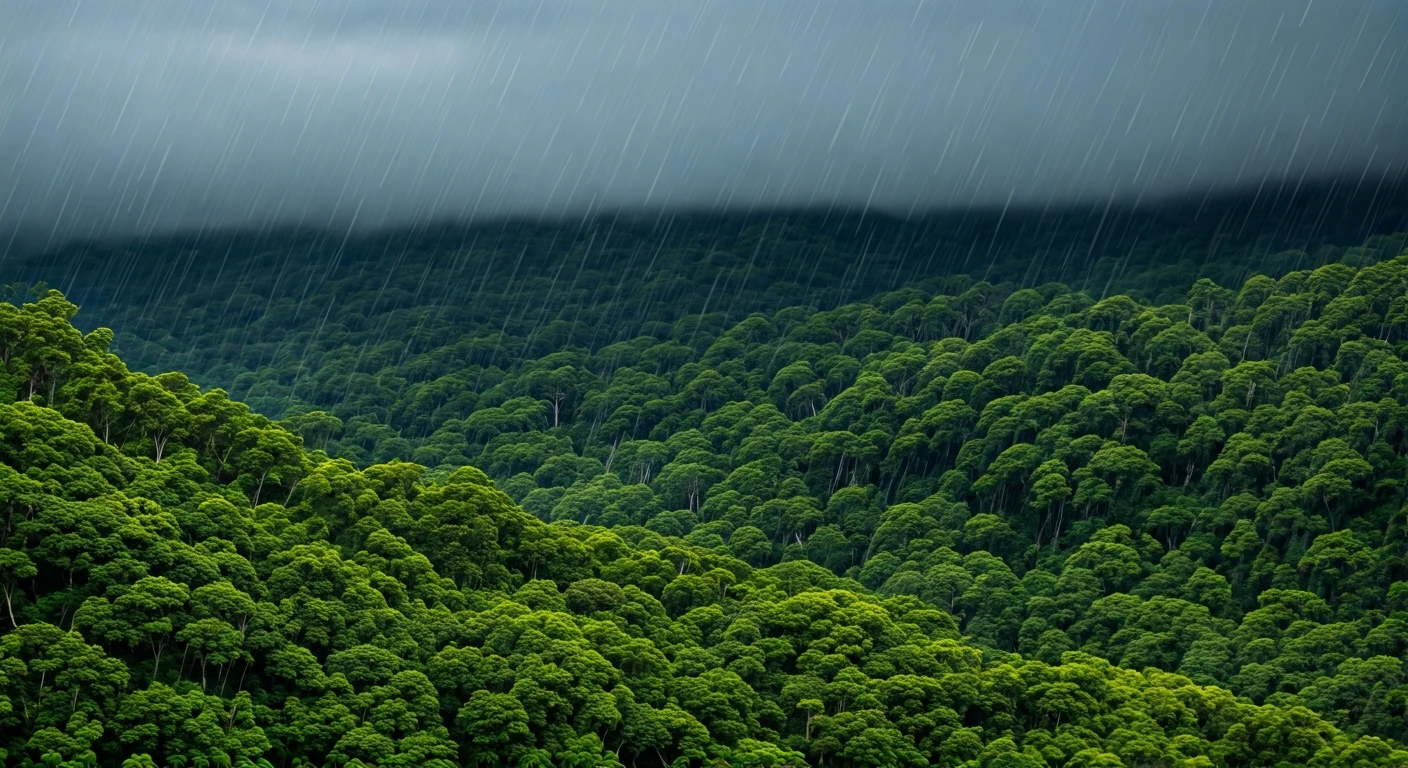
First, let's give the rain its due. Meghalaya, a sliver of a state in Northeast India, is a place defined by water. Its towns, Mawsynram and Cherrapunji, compete for the title of the planet's wettest spot, receiving over 450 inches of rain annually—nearly
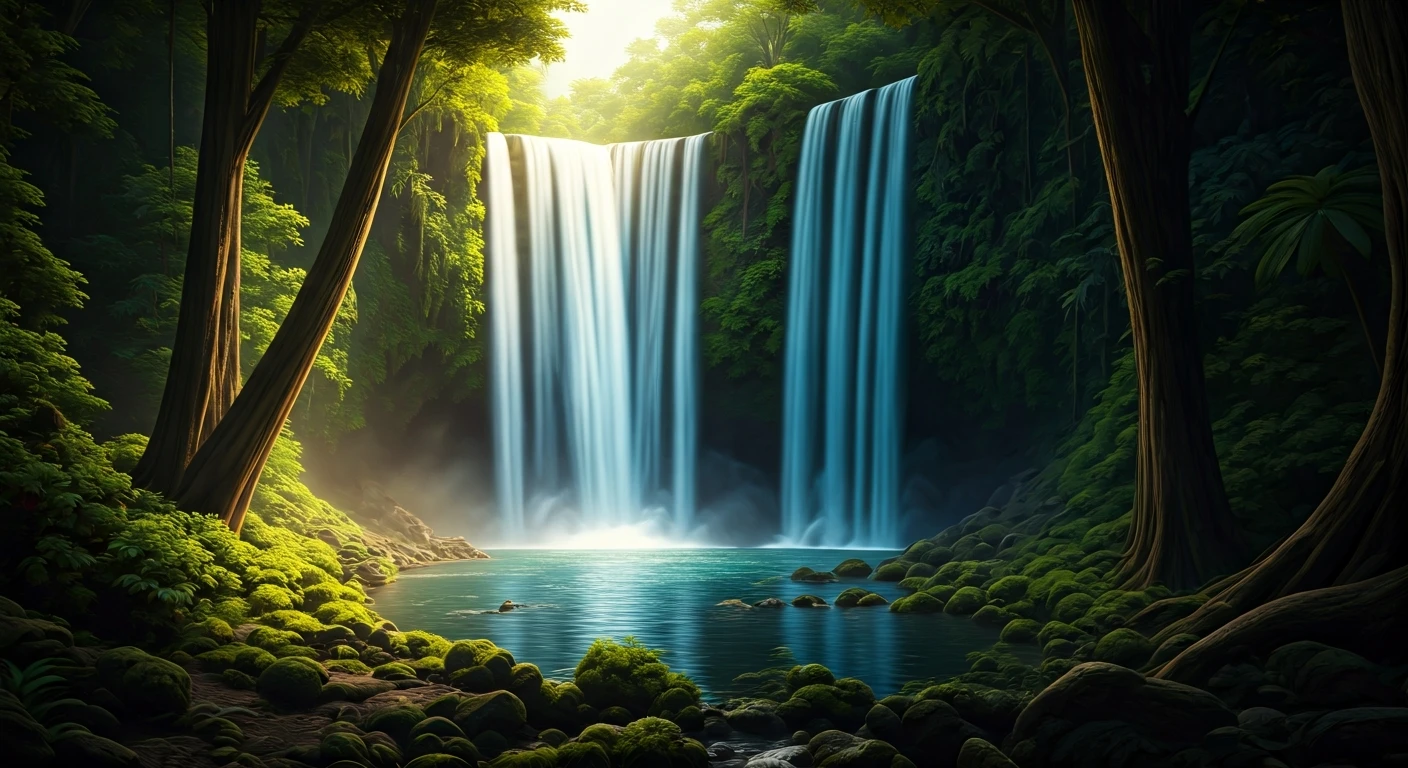
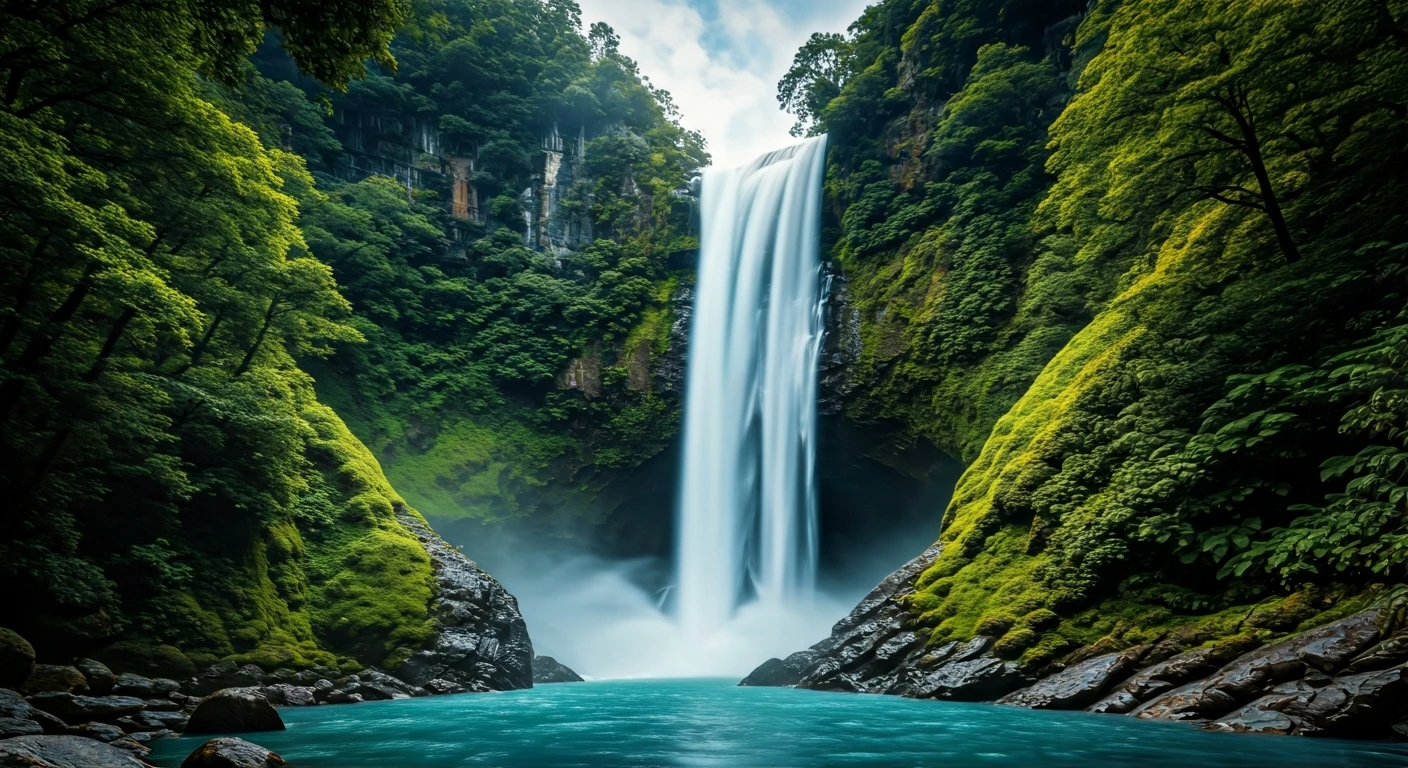
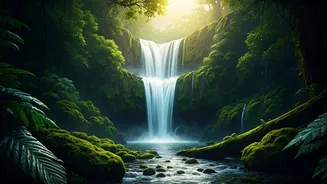
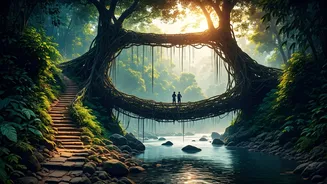
12 times what Seattle gets. This perpetual moisture sculpts a landscape of staggering beauty: waterfalls plunge from mist-shrouded cliffs, and dense jungles are so green they almost glow. It’s here that the local Khasi and Jaintia people have learned to guide the roots of rubber trees across rivers, creating breathtaking ‘living root bridges’ that can last for centuries. For decades, this dramatic, monsoon-drenched scenery was Meghalaya’s primary claim to fame—a beautiful, if damp, postcard from a remote corner of the world.
A World Beneath the Surface
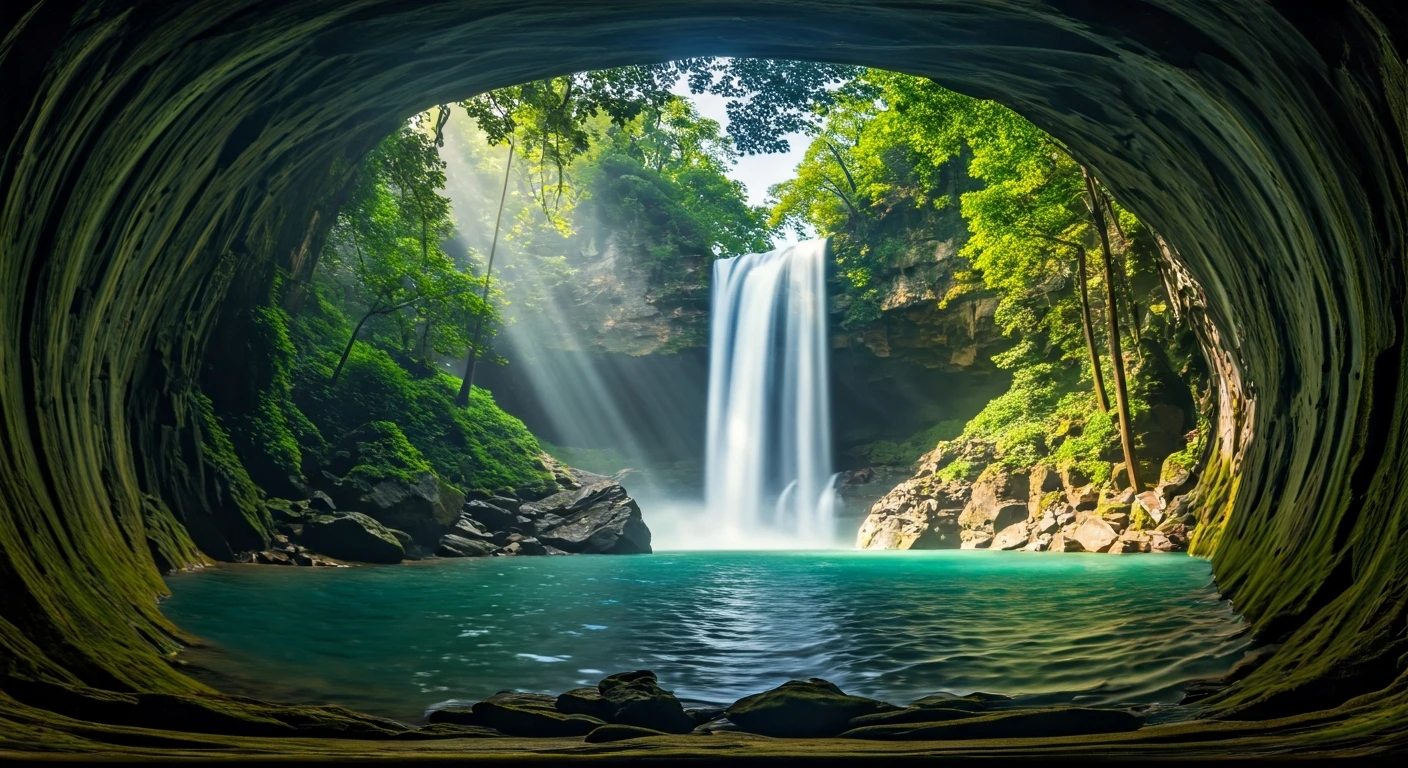
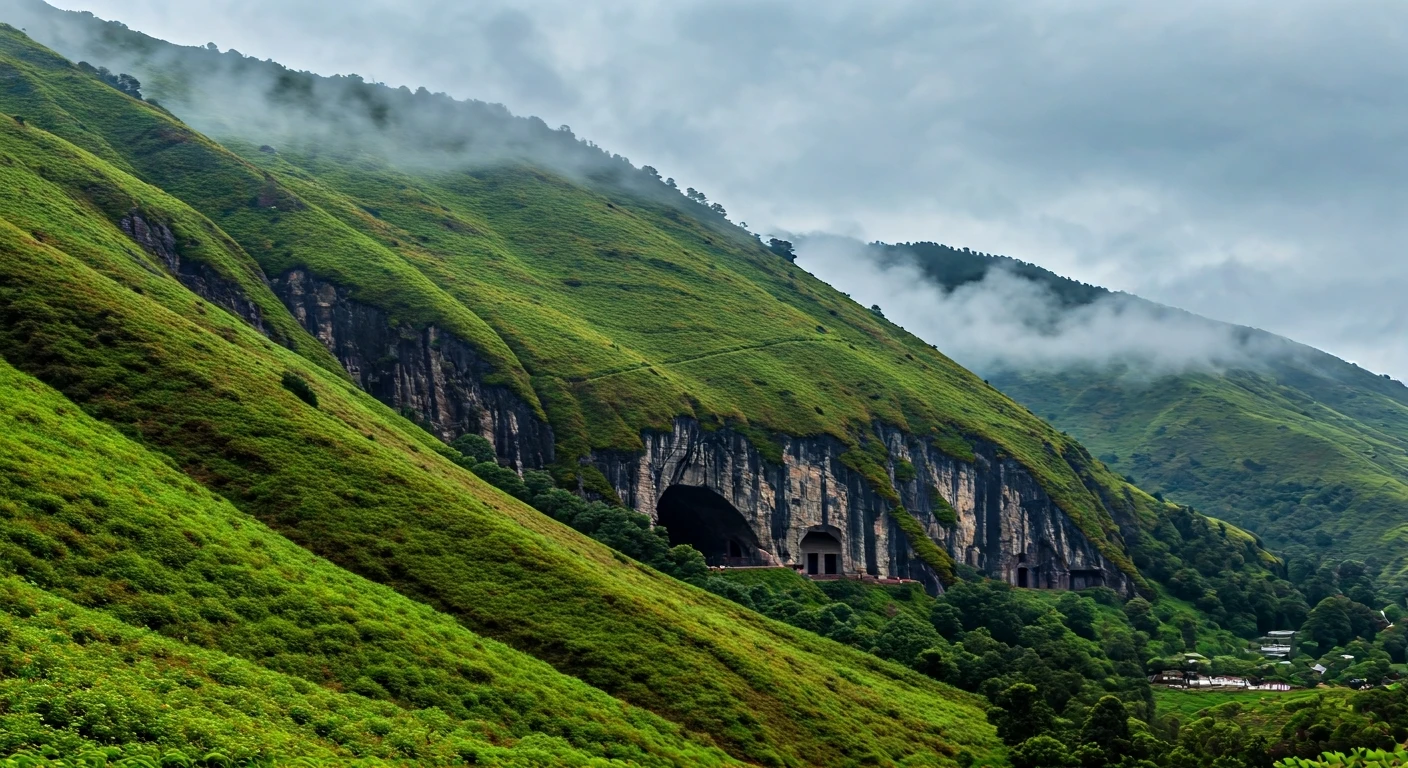
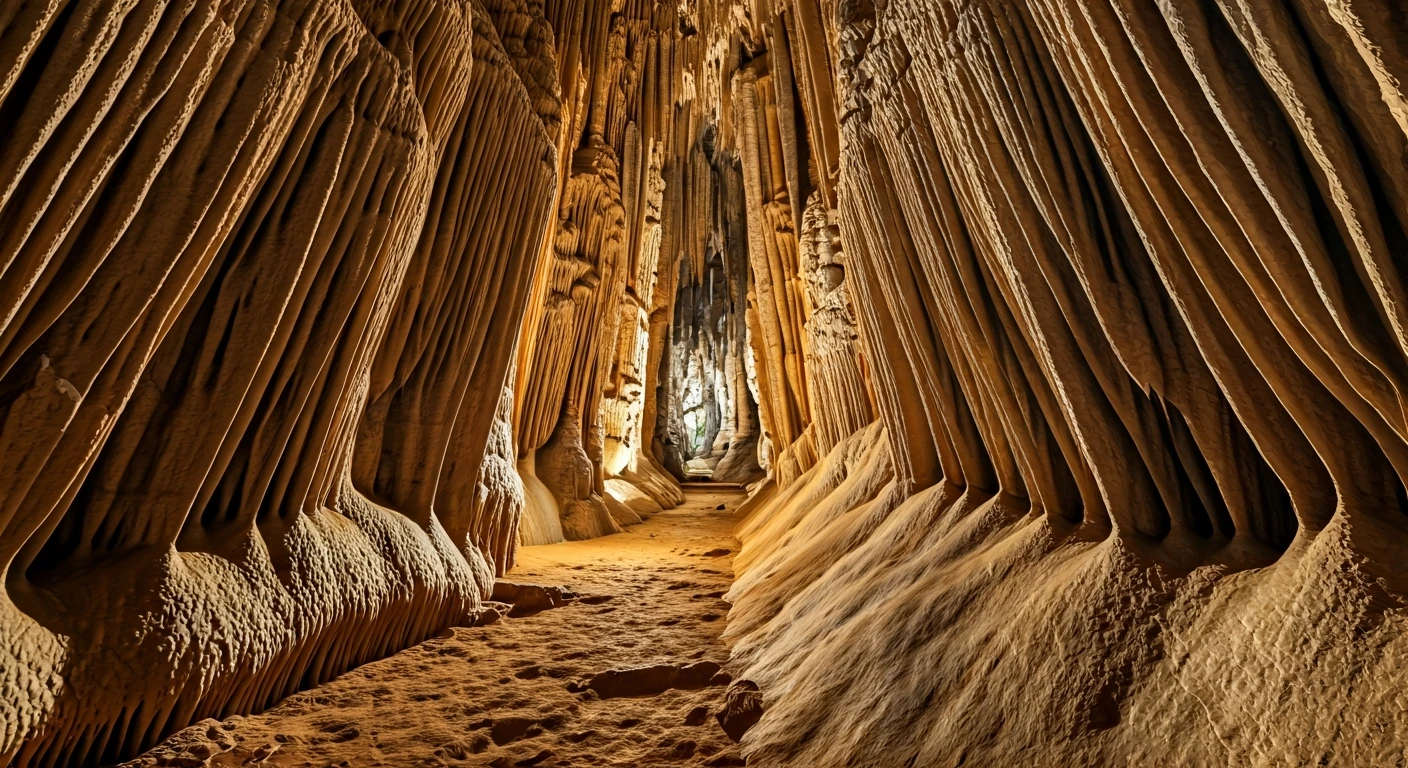
But the same water that gives life to the forests above has also carved a second, subterranean Meghalaya. Over millennia, the rain has seeped through the region's limestone and sandstone, dissolving rock to create one of the most extensive and complex cave networks on the planet. Over 1,700 caves have been identified, with more than 1,000 kilometers (over 620 miles) of passages mapped so far—and explorers believe they’ve only scratched the surface. To descend into one is to leave the world of vibrant green for an empire of shadows. The air cools, the sound of dripping water echoes in vast chambers, and flashlight beams reveal formations that look like alien sculptures. This isn’t just a collection of a few tourist-friendly caverns; it's a sprawling, interconnected underworld, a true final frontier for modern exploration.
Earth's Longest Sandstone Cave
For a long time, the world’s most famous caves were limestone, known for their dramatic stalactites and stalagmites. But Meghalaya is home to a different kind of marvel. In 2018, explorers confirmed that Krem Puri, a cave in the East Khasi Hills, was the world's longest known sandstone cave, stretching for nearly 15 miles. Unlike the more easily dissolved limestone, sandstone carves out different patterns, creating maze-like passages and vast, sandy chambers. Inside Krem Puri, explorers found not only geological wonders but also dinosaur fossils, including the mosasaur, a giant aquatic reptile from the Late Cretaceous period. Suddenly, these caves weren't just long; they were time capsules holding secrets from a lost world.
Giving Its Name to a New Age
The scientific importance of Meghalaya’s caves exploded onto the global stage in a way few could have predicted. In a cave named Mawmluh, scientists analyzed the chemical composition of a stalagmite. They discovered evidence of a catastrophic global drought that occurred around 4,200 years ago, an event so significant it disrupted civilizations from Egypt to China. The evidence was so clear and so perfectly preserved that the International Commission on Stratigraphy officially named the last 4,200 years of Earth's history the 'Meghalayan Age.' A tiny state in India, known for its rain, now lends its name to the current chapter of our planet's official geological timeline, all thanks to a story written in stone deep beneath its surface.
Two Kinds of Adventure
Today, the cave trails of Meghalaya offer two distinct kinds of experiences. For the curious traveler, there are 'show caves' like Mawsmai Cave, which are lit and have paved walkways, offering a safe and breathtaking glimpse into this subterranean world without requiring any special gear. But for the serious adventurer, Meghalaya is a global mecca for caving, or 'spelunking.' International expeditions arrive each year to map new passages, rappel into deep shafts, and squeeze through tight spots in the pursuit of discovery. They navigate underground rivers and camp for days in the darkness, pushing the boundaries of the known map. This duality is Meghalaya's new identity: a place where you can both witness beauty from a safe path or gear up to chart the unknown.