

The Antidote to 'Doing It All'
Slow travel isn't about laziness; it's about intention. It’s the conscious decision to trade a packed itinerary for genuine connection—with nature, with a local culture, and with yourself. Instead of rushing from one photo-op to the next, you linger.
You walk instead of drive. You listen to the river instead of your podcast. In a world that prizes speed and efficiency, Harsil Valley, nestled in the state of Uttarakhand, is a quiet rebellion. It’s a place where the most rewarding activity is often doing very little at all.
A Himalayan Secret
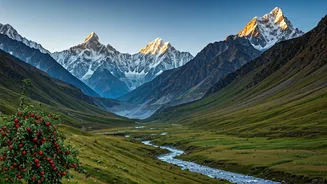
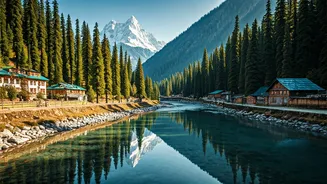
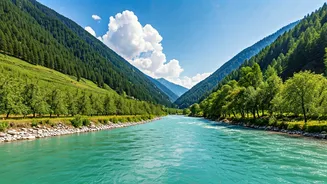
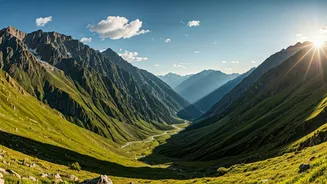
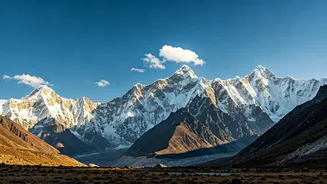
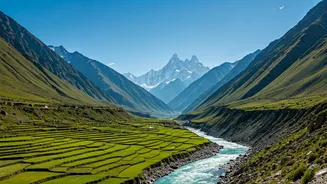
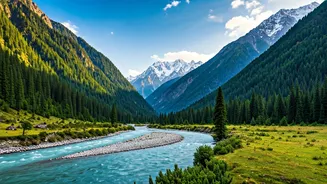
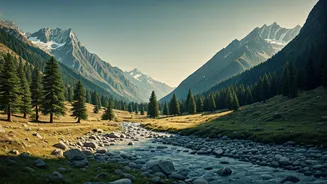
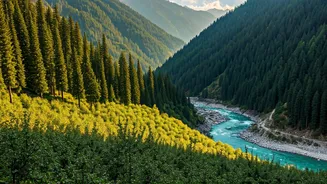
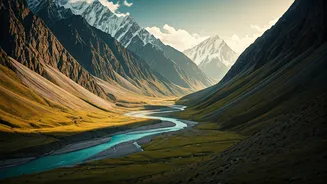
Tucked away at an elevation of around 8,600 feet, Harsil is a small riverside settlement embraced by towering deodar cedar forests and watched over by snow-dusted Himalayan peaks. The turquoise Bhagirathi River, considered a source stream of the sacred Ganges, rushes through the valley, its sound providing a constant, soothing soundtrack. Unlike more famous Himalayan hotspots, Harsil has retained a serene, untouched character. Its charm lies not in grand monuments but in the grandeur of its natural setting. The air is crisp, the sky is a brilliant blue, and the scale of the landscape has a way of putting everyday worries into perspective.
Life by the Apple Orchards
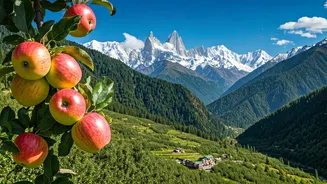
Harsil is famous for its apples, and a walk through the fragrant orchards is a sensory experience. The valley's rhythm is tied to the seasons—blossoms in spring, lush greenery in summer, and a harvest of juicy apples in the fall. A short walk across a bridge from Harsil leads to Bagori, a village of a few hundred people with distinct Tibetan-style wooden homes. The locals, often of Bhotia heritage, are warm and welcoming. Here, you can observe a way of life that has remained largely unchanged for generations. Spend an afternoon sipping chai at a small stall, watching wool being spun, or simply sitting on a rock by the river, letting the current wash away the noise of modern life.
Gentle Adventures Await
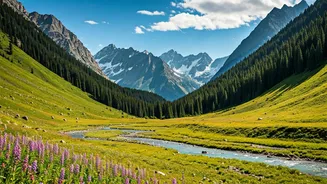
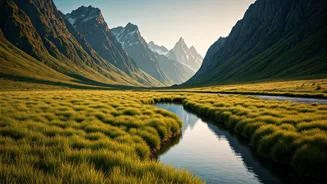
Slow doesn’t mean stationary. Harsil serves as a perfect base for gentle exploration. Follow one of the many trails that wind through the cedar forests, leading to meadows with panoramic mountain views. You can take a short drive to the Mukhwas Mata Temple in Mukhba, the winter home of the deity of the famous Gangotri Temple. The valley is also the gateway to Gangotri National Park, and while the high-altitude treks require serious preparation, the drive toward the park entrance offers breathtaking scenery. These aren't grueling expeditions; they are invitations to immerse yourself in the landscape at your own pace, with the valley floor always there to welcome you back.
Planning Your Escape
Reaching this slice of paradise is part of the adventure. The nearest major airport is Jolly Grant Airport in Dehradun (about a 7-8 hour drive), while the closest railway station is in Rishikesh. The road journey itself is spectacular, winding through the Himalayan foothills. The best time to visit is from April to June and again from September to November, when the weather is pleasant. The monsoon season (July-August) brings a risk of landslides, and deep winter (December-February) sees heavy snowfall. Accommodations are simple but comfortable, consisting mainly of guesthouses, small hotels, and a few homestays, all of which encourage you to unplug and engage with your surroundings.