



Welcome to the Iroha-zaka
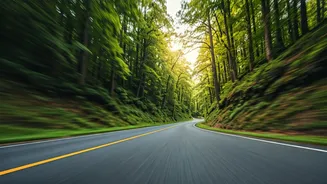
This isn't a theme park ride. This is the Iroha-zaka, a pair of winding roads in the mountains of Nikko, about two hours north of Tokyo. The name itself is a clue to its madness. "Iroha" refers to the first three characters of the old 48-character Japanese
alphabet, and this road has exactly 48 hairpin turns. Each corner is marked with a sign displaying one of the classic characters, turning a nerve-shredding drive into a high-speed calligraphy lesson. What makes the Iroha-zaka unique—and remotely drivable—is that it’s a one-way system. The First Iroha-zaka takes you up the mountain, and the Second Iroha-zaka, with its own distinct set of turns, brings you back down. This clever design prevents the horrifying prospect of meeting a tour bus on a blind corner, but it does little to soothe the nerves of the person in the passenger seat.
The Art of the Descent
While going up is a scenic climb, the way down is pure drama. The Second Iroha-zaka is where the screams really begin. It’s steeper, the turns feel tighter, and gravity is no longer your friend. For the driver, it’s a test of focus and precision, a rhythmic dance between braking and turning, turning and accelerating. For the passenger, it’s a gut-lurching ballet of g-forces. One moment you’re pressed against the window, the next you’re thrown toward the center console. Through it all, the scenery is almost cruelly beautiful. Nestled in Nikko National Park, the route is world-famous for its autumn colors, when the entire mountainside erupts in a vibrant tapestry of red, orange, and gold. The views are spectacular, assuming you can pry your eyes open long enough to see them between the relentless switchbacks.
A Pop Culture Legend
For a generation of car enthusiasts, the Iroha-zaka isn't just a scenic drive; it’s hallowed ground. The road was immortalized in the massively popular manga and anime series *Initial D*, a story about the world of illegal Japanese mountain street racing, or “touge.” In the series, the downhill portion of Iroha-zaka is the home course for a local racing team and the setting for some of its most iconic battles. The protagonist, Takumi Fujiwara, uses impossibly precise drifting techniques to conquer its 48 turns. This connection has turned the road into a pilgrimage site for fans from all over the world, who come to drive the same corners as their animated heroes—though hopefully at a much more legal and sensible speed.
More Than a Thrill Ride
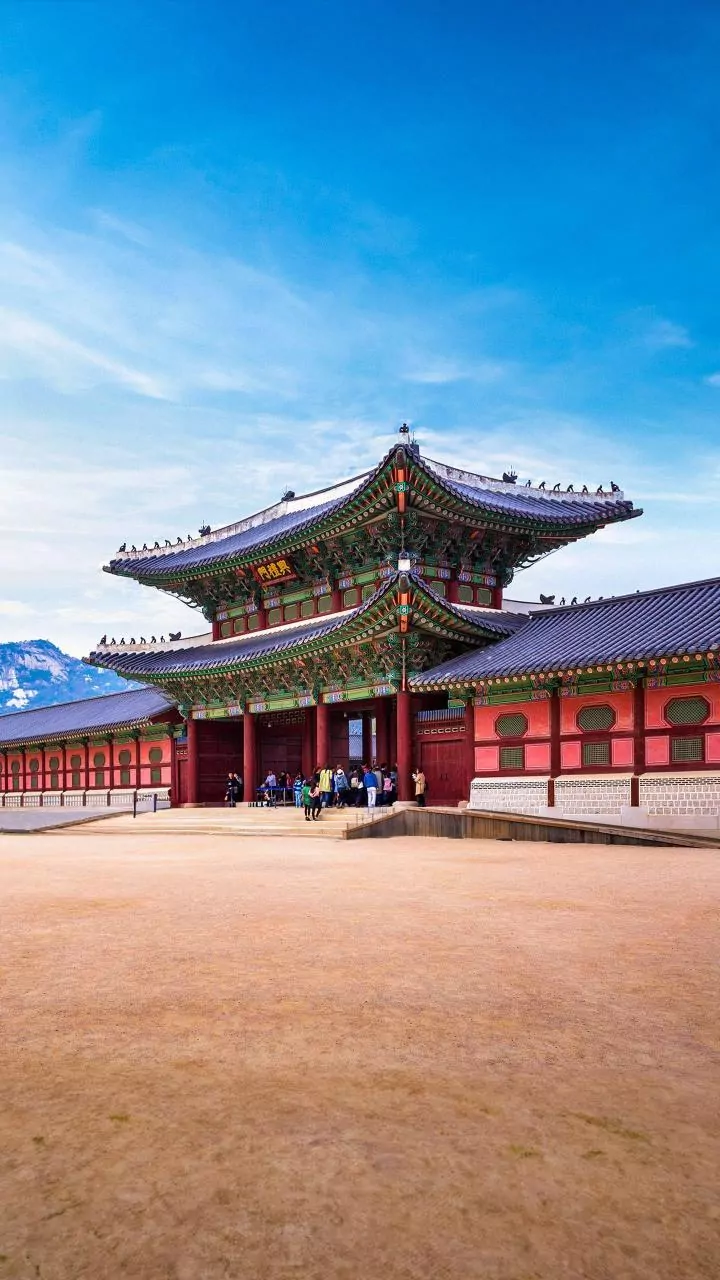
The road isn't just an endpoint; it's a gateway. At the top of the circuit lies the Akechidaira Plateau, accessible via a ropeway, which offers a panoramic view of Lake Chuzenji and the majestic Kegon Falls, one of Japan's most famous waterfalls. The drive, while intense, is part of a larger journey through a region steeped in history and natural beauty. Nikko is home to Toshogu Shrine, a UNESCO World Heritage site and the lavish final resting place of Tokugawa Ieyasu, the founder of the Tokugawa shogunate. After testing your courage on the mountain pass, you can find serenity among some of the country’s most significant cultural treasures. The contrast between the adrenaline of the road and the tranquility of the temples is part of what makes the Nikko experience so unforgettable.
How to Face the Dragon
So, how do you tackle this legendary road? The most accessible way for most tourists is by public bus. The drivers are professionals who have navigated these turns thousands of time, providing a ride that’s thrilling but safe. For those wanting to be in control, renting a car is the way to go. Just be prepared for the drive and respect the rules of the road. Taxis are also available. The best time to visit is during the autumn foliage season (typically October), but be warned: you’ll be sharing the road with thousands of other leaf-peepers, and traffic can come to a standstill, turning your thrill ride into a very slow, scenic crawl.