







Strength Training as Self-Care
For years, the wellness industry pushed a lean, cardio-centric ideal, particularly for women. But for many members of Generation Z (born roughly between 1997 and 2012), the script has flipped. Strength training is no longer a niche pursuit for bodybuilders;
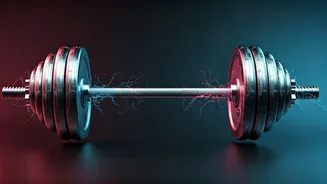
it's a mainstream goal. The desire for 'muscles' isn't just about aesthetics, though the influence of toned physiques on TikTok and Instagram is undeniable. It’s also deeply tied to a sense of empowerment and mental fortitude. Lifting heavy things provides a tangible sense of progress and control in a world that often feels chaotic. Recent studies and fitness industry reports, like those from Les Mills, show a significant surge in Gen Z's interest in weightlifting. They see a strong body not just as an aesthetic achievement, but as a foundation for a resilient mind. It’s a form of self-care that's active, not passive—a way to build both physical and mental armor.
The Rise of 'Recovery Culture'
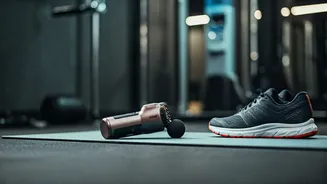
The second half of Gen Z’s fitness equation is what truly sets them apart: an obsessive focus on recovery. In previous decades, 'recovery' meant a quick stretch and maybe a protein shake. Today, it’s a dedicated, tech-infused, and often highly visible part of the fitness lifestyle. This isn't just about preventing soreness; it's about optimizing performance and signaling a sophisticated approach to wellness. We're seeing the rise of 'recovery culture,' where practices like cold plunges, infrared saunas, percussive therapy with massage guns (like the ubiquitous Theragun), and sleep tracking with Oura rings are not just tools, but status symbols. Sharing your post-workout ice bath on social media gets as much engagement as sharing a new personal record in the squat rack. This generation understands that muscles aren't built in the gym; they're built during rest. And they’re investing the time, money, and attention to prove it.
Driven by Screens and Science
Why the dual focus? Two major forces are at play: technology and a post-pandemic mindset. Social media platforms are virtual gyms and classrooms. Gen Z doesn't need to hire a personal trainer to learn proper deadlift form or discover the benefits of magnesium supplements for sleep; they learn it from a curated feed of trusted fitness influencers. This digital fluency gives them access to a firehose of information, allowing them to cherry-pick cutting-edge techniques for both training and recovery. Furthermore, the pandemic accelerated a collective interest in health. For a generation that spent formative years in lockdown, taking proactive control of one's physical well-being became a top priority. They emerged with a greater appreciation for their bodies and a data-driven desire to understand how they work, from tracking workout metrics on their Apple Watch to monitoring their sleep cycles.
A Tool for Mental Wellness
Perhaps the most critical piece of the puzzle is the link between this fitness approach and mental health. Gen Z is widely reported as the most anxious and stressed generation. For them, the gym is more than a place to change their body; it’s a place to manage their mind. The intense focus required for a heavy lift can be a meditative experience, quieting the anxious inner monologue. At the same time, the deliberate slowdown of recovery—the deep breathing in a sauna, the mindful attention during a stretching session—serves as a crucial counterbalance to a high-stress, always-on digital life. The physical push and pull of exertion and restoration is a direct metaphor for their search for balance. They aren't choosing between getting strong and feeling good; they're pursuing a system where one directly enables the other, creating a holistic cycle of physical and mental resilience.