





More Than Just a Summer Staple
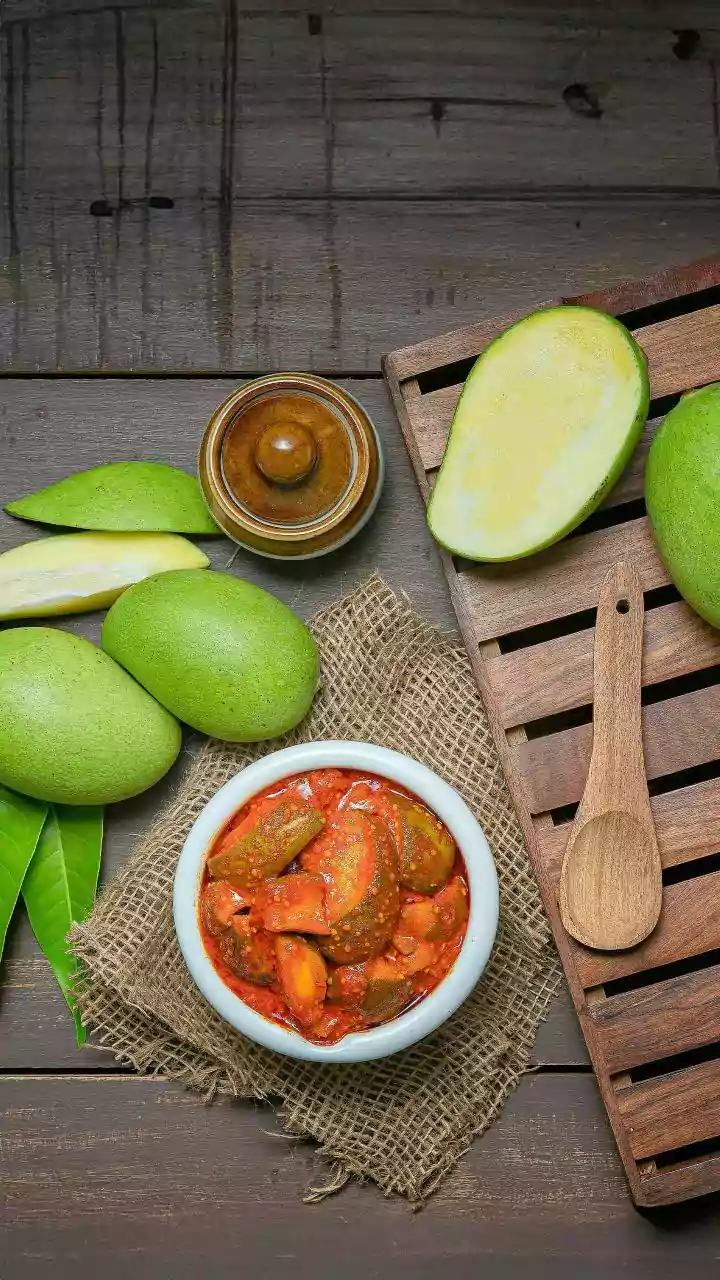
The journey of a mango from a tree in another hemisphere to your kitchen counter is more than a triumph of modern logistics; it's an act of cultural diplomacy. While the United States gets the vast majority of its mangoes from Mexico, Peru, and Ecuador,
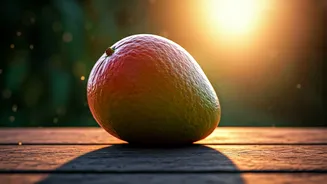
the story of mango-as-identity is most powerfully told through the prized varieties from countries like India and Pakistan. In these nations, the mango isn't just a fruit. It's the 'King of Fruits,' a national treasure woven into poetry, art, and childhood memories. Each variety has its own fiercely loyal following, and the annual harvest is a celebrated event. When these mangoes are exported, they aren't just shipping produce—they're exporting a piece of their national soul.
The Legend of the Indian Alphonso
Talk to anyone from India about mangoes, and you'll likely hear a reverent whisper about the Alphonso. Grown primarily on the western coast, this variety is renowned for its creamy, non-fibrous texture and a complex flavor that blends notes of citrus, honey, and peach. For decades, Indian mangoes were banned from the U.S. due to concerns about pests. This created a powerful sense of longing within the Indian-American community, who had to make do with other varieties that never quite matched the memory of home. Then, in 2007, a trade deal famously dubbed 'mango diplomacy' allowed Indian mangoes back into the U.S. market, provided they underwent irradiation. The arrival of the first shipment was met with fanfare and media coverage, as families eagerly paid premium prices for a box of Alphonsos—a delicious, tangible link to their heritage.
Mexico's Golden Ataulfo
While Indian mangoes are a prized specialty, the smooth, kidney-shaped yellow mango you see everywhere is America’s workhorse mango, and it’s a point of pride for our southern neighbor. Often marketed as the 'Honey' or 'Champagne' mango, the Ataulfo variety hails from the Mexican state of Chiapas. It was granted protected designation of origin status by the Mexican government, a recognition of its unique quality and regional identity, similar to how France protects Champagne. As the single largest supplier of mangoes to the U.S., Mexico has successfully made the sweet, fiberless Ataulfo a household name. Its success in the American market is a source of agricultural pride, representing a crop that has crossed the border to become a beloved part of the U.S. summer experience.
A Taste of Home in Every Box
For diaspora communities across the United States, the seasonal arrival of specific mangoes is an event that reconnects them with home. Pakistani-Americans anticipate the arrival of the intensely sweet and aromatic Chaunsa variety. Caribbean families seek out the Julie or East Indian mangoes that remind them of their backyards. The search for these specific types becomes a ritual, with phone calls lighting up community networks: 'The mangoes are here!' People drive for hours and line up to buy them by the case, not just for the taste but for the flood of memories they unlock—of climbing trees as a child, of family gatherings, of a life and a land left behind. The fruit becomes a powerful antidote to homesickness, a shared cultural touchstone that can be passed down to a new generation born in America.