




The Festival at the Center of the Buzz
The event creating all this excitement is Rath Yatra, or the 'Festival of Chariots.' Held annually in the coastal city of Puri in the eastern state of Odisha, it’s one of the most important festivals in Hinduism. While the headline points to a late June
date, the festival follows a lunar calendar, with this year's main procession kicking off on July 7, 2024. The festival honors Lord Jagannath—a form of the deity Vishnu—along with his elder brother Balabhadra and sister Subhadra. For nine days, the city transforms into a hub of devotion and celebration as the deities are moved from their home in the 12th-century Jagannath Temple to a nearby temple in a grand, colorful procession.
A Spectacle of Unimaginable Scale
When we say this event is massive, it’s hard to overstate. Imagine the crowd for the Super Bowl, Times Square on New Year’s Eve, and Mardi Gras in New Orleans combined, then multiply it. Rath Yatra regularly draws over a million people to the streets of Puri. The Grand Road, the main thoroughfare, becomes a sea of humanity. The air fills with the sounds of gongs, trumpets, and chants of 'Jai Jagannath!' (Victory to Jagannath). For Hindus, it is a profoundly spiritual pilgrimage, but for travelers, it’s a sensory overload in the best possible way—a dizzying, unforgettable display of collective faith and cultural pageantry that has few parallels on Earth.
The Chariots: Divine Vehicles of Faith
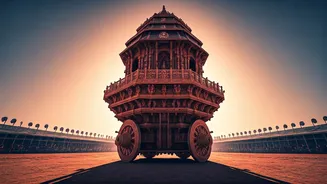
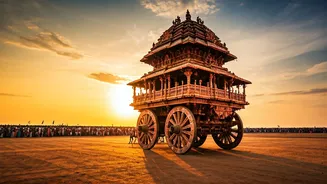
The stars of the show are, without a doubt, the chariots themselves. These aren't just parade floats; they are colossal, newly constructed wooden temples on wheels. Each year, a dedicated team of carpenters builds three new chariots using traditional techniques passed down through generations, without modern blueprints. Lord Jagannath’s chariot, Nandighosha, stands about 45 feet tall and rolls on 16 massive wheels. His siblings’ chariots are similarly grand. Draped in vibrant red, yellow, black, and green fabrics, these structures are works of art. The most powerful moment of the festival comes when thousands of devotees grasp thick coir ropes to pull the chariots along the three-kilometer route, an act believed to be deeply auspicious.
The 'Travel Buzz' Explained
So why the 'serious travel buzz'? Beyond the millions of Indian pilgrims, Rath Yatra has become a bucket-list item for intrepid international travelers, photographers, and culture seekers. It offers an unfiltered look into a living, breathing ancient tradition. Accommodations in Puri and the surrounding areas are often booked solid six months to a year in advance. The closest major airport in Bhubaneswar sees a massive influx of arrivals. For a non-local, attending requires planning and a willingness to embrace chaos. It’s not a casual beach vacation; it’s a full-immersion cultural experience that is as challenging as it is rewarding. The buzz is about its authenticity—in an age of curated tourism, Rath Yatra remains raw, powerful, and utterly real.
More Than Just a Procession
The festival's significance runs deeper than the parade. One of its most beautiful aspects is its theme of inclusion. The deities reside inside the Jagannath Temple for most of the year, where access is traditionally restricted for non-Hindus. During Rath Yatra, however, the gods come out to the people, allowing everyone, regardless of caste, creed, or background, to see them and receive their blessings. It's a symbolic journey that breaks down barriers between the divine and the devotee. The nine-day festival includes the deities’ stay at the Gundicha Temple, considered their 'aunt’s house,' and their eventual return journey, known as Bahuda Yatra, marking the end of the celebration.