







Get to Know Your Greens
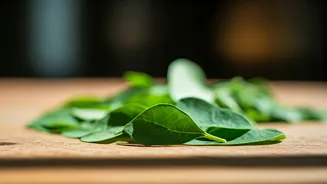
Before you start cooking, it helps to understand what makes these two leaves distinct. Think of them as cousins in the world of flavor, not twins. Tulsi, also known as holy basil, is revered in Ayurvedic tradition. It has a slightly spicy, peppery flavor with
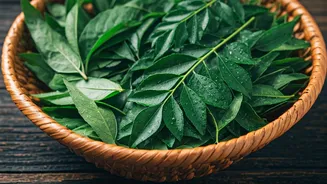
notes of clove and mint. While related to Italian basil, it’s not a direct substitute. It’s most often used in wellness preparations, particularly teas, but its pungent flavor has culinary uses, too.Curry leaves, on the other hand, are a purely savory powerhouse. They have nothing to do with curry powder, which is a blend of spices. These glossy, dark green leaves come from the curry tree and possess a wonderfully complex aroma that’s nutty, citrusy, and slightly smoky. They are an indispensable ingredient in South Indian cuisine, providing a foundational flavor that’s impossible to replicate.
Start Your Day with a Ritual
The simplest way to bring tulsi into your routine is through a warm, soothing drink. In India, tulsi tea is a daily ritual for many, believed to center the mind and offer a sense of calm. Making it is incredibly easy. Simply take 5-7 fresh tulsi leaves (or a teaspoon of dried leaves), gently bruise them to release their oils, and steep them in a cup of hot water for about five minutes. You can add a slice of ginger, a squeeze of lemon, or a dab of honey if you like. It’s a fragrant, caffeine-free way to start your morning or wind down at night, replacing a standard herbal tea with something more distinctive.
Master the Tadka for Savory Flavor
Curry leaves shine brightest when introduced to hot oil. This technique, known as a *tadka* or tempering, is the secret to unlocking their incredible aroma. Heat a tablespoon of ghee or a neutral oil (like coconut or avocado) in a small pan. When it shimmers, carefully add a sprig of 8-10 curry leaves. They will crackle and pop—that’s the sound of flavor being released. Let them sizzle for about 30 seconds until they’re fragrant and slightly crisp.Now, what do you do with this infused oil? Pour it over anything. It instantly elevates a simple bowl of dal (lentil soup), plain yogurt, or steamed rice. Stir it into scrambled eggs for a revelatory breakfast. Toss it with roasted potatoes or vegetables in the last few minutes of cooking. Once you master this simple step, you’ll find yourself adding it to everything.
Beyond the Basics: Creative Uses
Once you're comfortable, you can get more creative. Tulsi’s peppery-sweetness works beautifully in a simple syrup. Just simmer equal parts sugar and water with a handful of fresh tulsi leaves until the sugar dissolves, then let it steep and cool. Drizzle this syrup over a fruit salad, stir it into sparkling water for a refreshing soda, or use it as a base for a unique cocktail.For curry leaves, try making a crispy garnish. Fry a handful of leaves in oil until they’re brittle and translucent, then drain them on a paper towel and sprinkle with a little salt. These “curry leaf chips” are an incredible topping for soups, salads, grilled fish, or even a bag of popcorn. They add a burst of flavor and an addictive crunch.
How to Buy and Keep Them Fresh
Finding these ingredients is the first step. You'll have the best luck at a dedicated Indian or South Asian grocery store. Tulsi is often sold as a small potted plant, which is a great investment if you plan to use it regularly. Otherwise, look for it dried in the tea aisle. Curry leaves are almost always sold fresh, on the stem, in clear plastic bags. Don’t be tempted by dried curry leaves—they lose almost all of their signature aroma.To store curry leaves, leave them on the stem and place them in a zip-top bag with a paper towel to absorb moisture. They’ll last for a week or two in the fridge. For longer storage, you can strip the leaves from the stem and freeze them in an airtight bag. They can be thrown directly from the freezer into a hot pan, retaining much of their flavor.