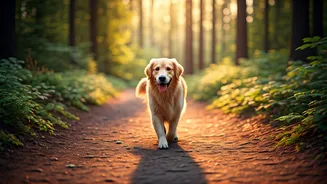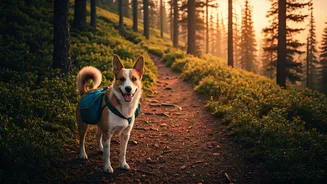




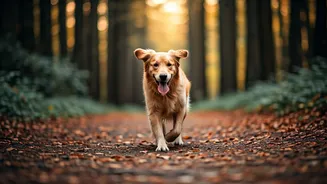


The Rise of the Trail Dog
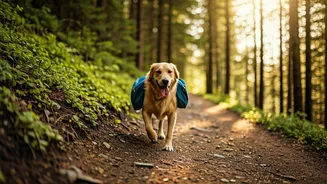
It’s not just your imagination. The 'pet humanization' trend—where pets are treated as full-fledged family members—has officially left the living room and hit the backcountry. Fueled by a pandemic-era surge in both pet adoption and outdoor recreation,
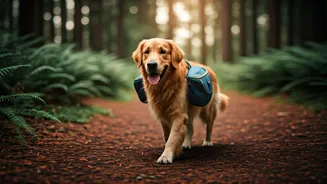
the desire to share experiences with our dogs has skyrocketed. We take them to breweries and on road trips, so why not on a scenic hike? This shift is visible everywhere from Instagram feeds filled with happy, panting pups at scenic overlooks to the explosion of specialized gear like dog-specific backpacks, collapsible water bowls, and even canine first-aid kits. But as this wonderful trend grows, it brings a new set of responsibilities. A great day on the trail with your dog doesn't happen by accident; it requires planning, awareness, and a respect for the environment and fellow hikers.
Rule #1: Know Before You Go
The single most important step happens before you even lace up your boots: research. Never assume a trail is dog-friendly. Many national parks, for instance, have strict regulations, often prohibiting dogs on all trails to protect wildlife and preserve delicate ecosystems. State parks, national forests, and local conservation areas tend to have more lenient policies, but they can vary wildly. Check the official park or forest service website. Look for a 'pets' or 'rules and regulations' section. Pay attention to leash laws—some trails require a six-foot leash at all times, while others may allow voice control in designated areas. Ignoring these rules isn't just bad form; it can result in hefty fines and, more importantly, damage fragile environments or lead to dangerous encounters with wildlife or other visitors.
Pack for Two (At Least)
When you hike with your dog, you're packing for two. Their needs are just as critical as yours. Your dog’s pack list should always include more water than you think you'll need and a collapsible bowl. Dogs can’t sweat effectively and are prone to overheating. Don't let them drink from streams or puddles, which can contain harmful bacteria or parasites like giardia. Next, pack plenty of poop bags. And finally, consider a pet-specific first-aid kit. Items like antiseptic wipes, tweezers for ticks or thorns, and self-adhering bandages can be lifesavers. For longer hikes, dog booties can protect paws from rough terrain, hot surfaces, or snow and ice. Tucking a few high-energy dog treats into your pack is also a great way to reward good behavior and keep their energy up.
Mastering Trail Etiquette
A well-behaved dog makes the trail better for everyone. The core principle of trail etiquette is yielding the right-of-way. Hikers with dogs should yield to solo hikers, large groups, and especially to anyone on horseback. Step to the side of the trail (preferably on the downhill side for horses) and ensure your dog is calm and under control. Keep your dog from approaching other hikers or dogs unless you get a clear, enthusiastic 'yes' from the other party. Not everyone is comfortable with dogs, and even a friendly, muddy greeting can be unwelcome. Keep barking to a minimum to preserve the peace and quiet of nature that everyone came to enjoy. A dog that is well-exercised and responsive to your commands is your greatest asset in being a good trail citizen.
Leave No Trace (Especially That)
The 'Leave No Trace' principle is non-negotiable, and it applies emphatically to pet waste. There is no asterisk on the rule that says '*except for dog poop.' Dog waste is not a natural fertilizer; it’s a pollutant. It can introduce harmful bacteria and excess nitrogen into the ecosystem, contaminating water sources and disrupting native plant life. It's also just plain gross for the next person on the trail. Bagging it is only half the battle. You must pack it out with you. Do not leave the bag on the side of the trail to 'pick up on your way back.' This is a common sight and a major complaint from park rangers and fellow hikers. Invest in a small, odor-proof pouch that clips to your pack if you don't want to carry the bag in your hand. True stewardship means leaving the trail exactly as you found it, or even better.