







1. Costa Rica's Green Season
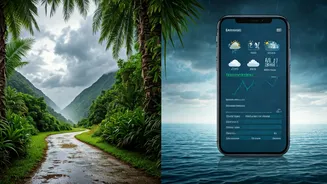
In Costa Rica, locals don’t call it the rainy season; they call it the “green season.” From May to November, the country’s famed rainforests burst into an almost impossibly vibrant shade of green. While you can expect afternoon showers, mornings are often
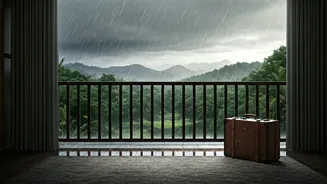
sunny and clear, perfect for hiking to see gushing waterfalls at their most dramatic. The rain cools things down, brings the wildlife out, and drives the tourist crowds away. This translates into significant discounts on flights and boutique eco-lodges, which feel even cozier when a tropical rain is pattering on the roof. It’s the ideal setting for sipping world-class coffee on a private balcony overlooking a misty jungle canopy—a far more intimate experience than you’d find during the packed, pricier dry season.
2. Bali's Shoulder Season Charm
Bali’s main rainy season runs from roughly October to April, but the term is misleading. It rarely rains all day. Instead, you'll typically experience short, intense downpours in the afternoon or evening, leaving the rest of the day warm and sunny. This is a fantastic time to explore cultural hubs like Ubud, where the rice paddies are spectacularly lush. Fewer tourists mean you can enjoy temples like Tirta Empul or Tanah Lot without the jostling crowds. It’s also the perfect excuse to indulge in Bali's legendary wellness culture. Imagine a couples’ massage or a traditional cooking class in a quiet villa while the rain provides a soothing, natural soundtrack. Accommodations, from private pool villas to beachfront resorts, can be found for a fraction of their high-season cost.
3. Thailand's Tropical Showers
Thailand’s monsoon season varies by region, but on the popular Andaman coast (Phuket, Krabi), it generally spans from May to October. While some days will be washouts, many feature a mix of sun and periodic, heavy rain. The trade-off is immense. You’ll find five-star resorts offering rooms at three-star prices, and the typically overcrowded beaches are blissfully quiet. This is the perfect time for a honeymoon focused on relaxation and indulgence. Spend your days enjoying the hotel spa, taking a Thai cooking course, or simply reading by the pool until a storm rolls in. The rain itself is part of the tropical experience—dramatic, warm, and usually over quickly, leaving behind fresh, clean air and even more intense sunsets.
4. Mexico's Riviera Maya
The stretch of Caribbean coastline from Cancun to Tulum has a hurricane season that officially runs from June to November, with the wettest months typically being September and October. While there's a risk of storms, traveling during the shoulder months like June or early November can offer the best of both worlds: dramatically lower prices and a reduced chance of a total washout. The seaweed (sargassum) that plagues the coast during the spring and early summer often subsides, and the crowds thin out considerably. This makes it an ideal time to explore the Mayan ruins of Chichén Itzá or Tulum without the oppressive heat and masses of people. Plus, many all-inclusive resorts offer their most aggressive deals during this period, allowing you to upgrade to a suite or book extra romantic dinners for a fraction of the winter price.
Tips for a Rainy Season Trip
To make the most of a “rain-soaked” honeymoon, flexibility is key. Don’t overschedule your days with outdoor-only activities. Instead, have a mix of options ready: a museum visit, a spa appointment, or a long, leisurely lunch at a celebrated restaurant. Pack lightweight rain gear, quick-dry clothing, and an open mind. Remember that the weather forecast can be dramatic, but a 60% chance of rain often just means a 30-minute shower in the afternoon. Embrace the downtime as an opportunity for connection. A rainy day in a beautiful place with the person you love is the very definition of romance.