
Start with a Mindset Shift
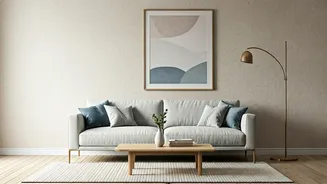
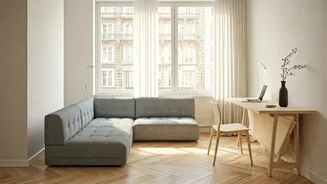
Forget the image of a stark white room with a single chair. Warm minimalism isn’t about deprivation; it's about intention. The goal isn’t to own as little as possible, but for every item in your apartment to serve a purpose, tell a story, or add to the overall
feeling of comfort. Before you toss a single thing, redefine your goal. You're not just 'decluttering'—you're curating a sanctuary. This subtle shift changes the process from a stressful chore into a creative act of building a home that truly nurtures you.
Prioritize Texture and Touch
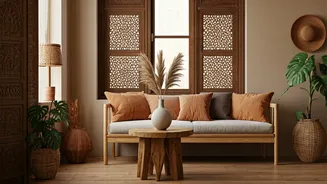
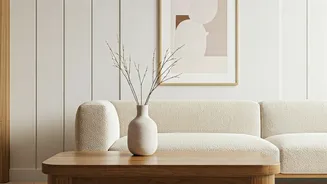
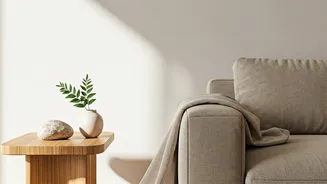
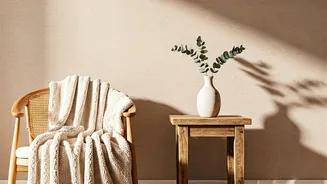
A key difference between cold and cozy minimalism is the emphasis on texture. As you decide what to keep, run your hands over things. A rough-hewn wooden bowl, a soft-knit wool blanket, a worn leather armchair, a smooth ceramic mug—these items add warmth and sensory richness that flat, glossy surfaces can't. When decluttering, if you're torn between two similar items, keep the one with the more pleasing texture. This rule applies to furniture, decor, and even functional items like towels and bedding. Think in layers: linen, chunky knits, velvet, and aged wood create a visual and tactile coziness that feels luxurious, not cluttered.
Curate, Don’t Just Display
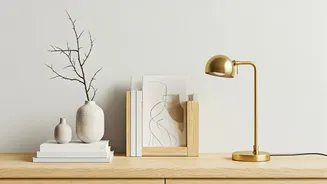
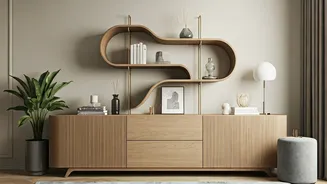
Warm minimalism embraces personal objects, but with discipline. Your cherished souvenirs, beloved books, and meaningful art don't have to be hidden away. The trick is to curate them like a small gallery rather than letting them pile up. Instead of having 50 books overflowing a shelf, select your 10 most meaningful ones and stack them artfully. Instead of a fridge covered in magnets, choose one beautiful piece of your child’s art and frame it. Group similar small items (like a collection of small vases) together on a tray to give them presence and prevent them from looking like clutter. This approach honors your memories while maintaining a sense of calm and order.
Apply the 'Cozy Test'
Marie Kondo’s “spark joy” method is famous, but for warm minimalism, we can adapt it. Hold an item and ask: Does this make my home feel more comfortable, more personal, more inviting? A gifted quilt from your grandmother passes the test. That uncomfortable but “stylish” chair you bought online probably doesn’t. The generic hotel art you’ve been holding onto can go, but the quirky, slightly-chipped mug you use for coffee every morning is essential. This test helps you move beyond pure aesthetics or utility and focus on the emotional temperature of your space. The goal is to be surrounded only by things that contribute to a feeling of warmth and well-being.
Adopt a Warm, Limited Palette
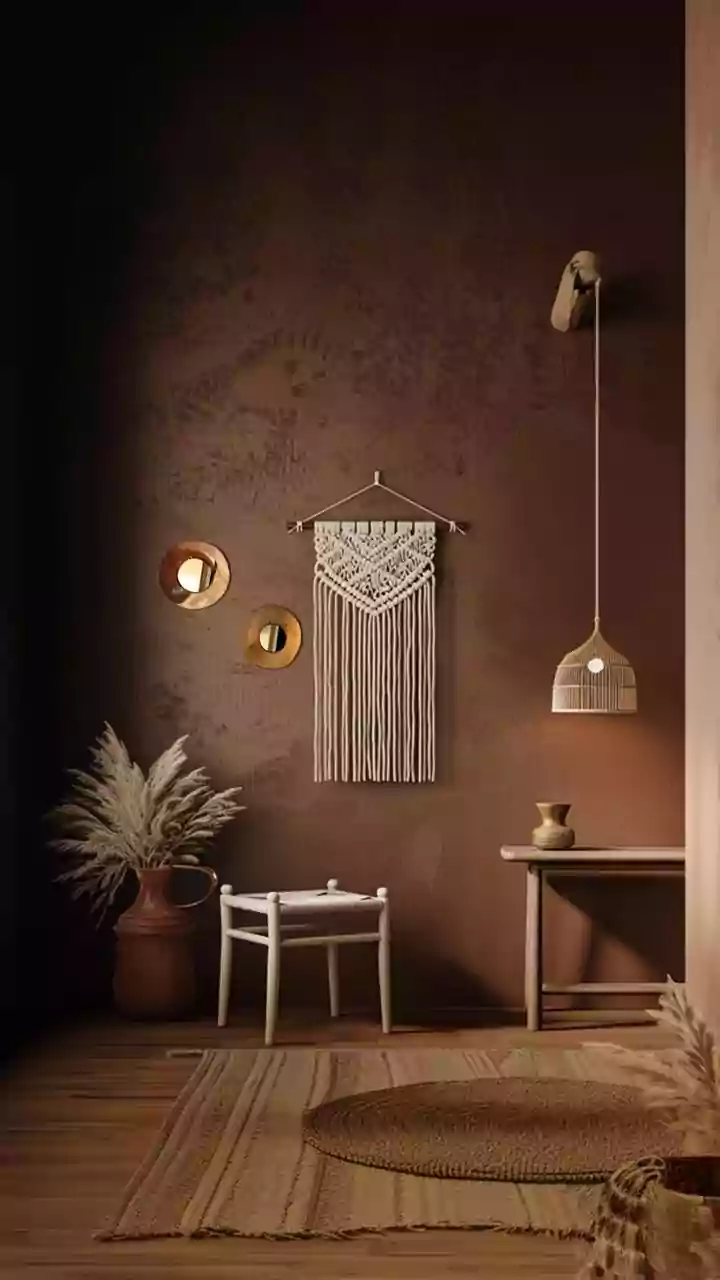
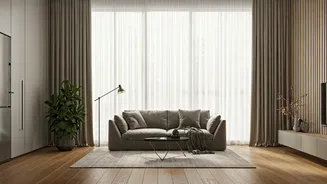
Color has a massive impact on the feel of a room. While traditional minimalism often leans on black, white, and gray, warm minimalism draws from a more earthy and inviting spectrum. Think of colors that feel like a hug: creamy whites, soft beiges, terracotta, olive green, dusty rose, and warm wood tones. When decluttering decorative items, see how they fit into this cohesive palette. Having a defined color story makes decisions easier. An item that clashes with your warm, serene vision is easier to let go of, even if you like it in isolation. This creates a harmonious backdrop where your most treasured, textural items can truly shine.
Embrace Purposeful Emptiness
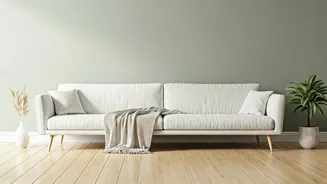
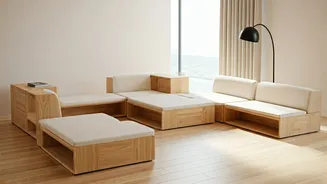
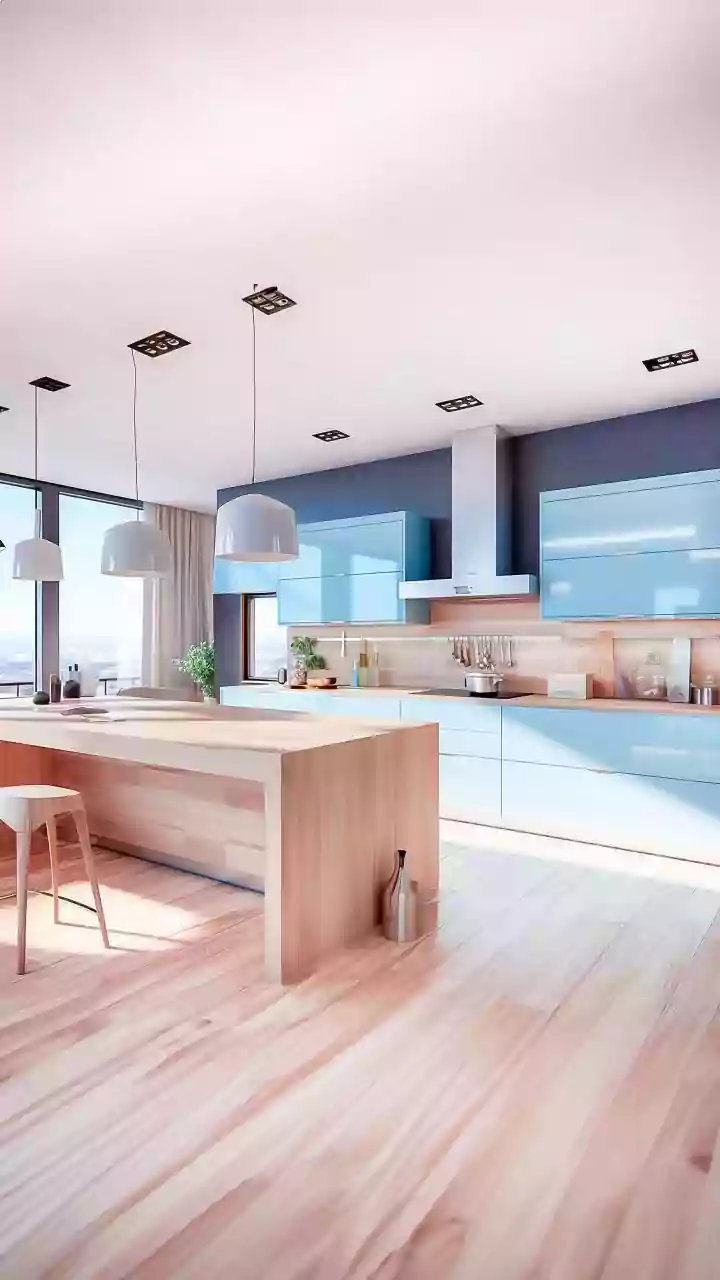
Finally, remember that space itself is a key ingredient of coziness. A room needs space to breathe. As you clear surfaces and floors, don’t see the resulting emptiness as a void to be filled. See it as “negative space” that gives your chosen items importance. An empty corner allows the beautiful grain of your wood floors to be seen. A clear countertop makes your kitchen feel more functional and serene. In warm minimalism, empty space isn't cold—it's calm. It’s the quiet pause that makes the rest of the room sing, giving your eyes a place to rest and your mind a chance to relax.