
The Death of Deprivation
For decades, the American approach to healthy eating was built on a foundation of restriction. It was a world defined by what you *couldn't* have: no fat, no salt, no sugar, and certainly, no joy. The grocery store aisles reflected this, filled with “diet”
products that proudly advertised being “low-fat” or “sugar-free” but rarely mentioned taste. The result was a culinary landscape of rice cakes, watery dressings, and the pervasive feeling that to be healthy, one must suffer. This mindset created a false choice: food could either be good, or it could be good *for you*. It could rarely be both.
The New Philosophy: Addition, Not Subtraction
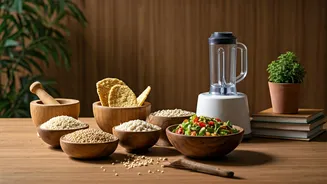
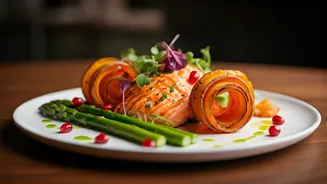
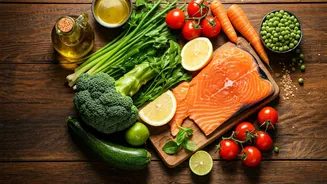
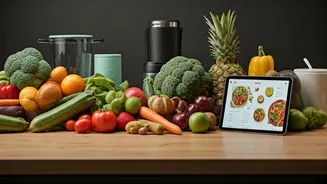
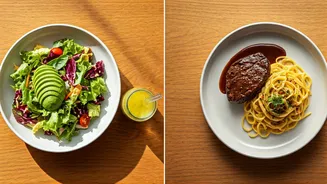
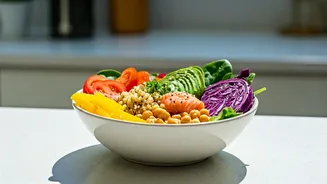
The “flavour forward” movement flips that old logic on its head. Instead of asking what can be removed, it asks what can be added to make food both more nutritious and more delicious. The new rule is abundance. It’s about piling your plate high with a rainbow of vegetables, each offering different nutrients and textures. It’s about embracing healthy fats from sources like avocados, nuts, and high-quality olive oil, which carry flavour and promote satiety. The focus shifts from counting calories to maximizing nutrients and, crucially, maximizing enjoyment. This isn’t a diet; it’s a culinary upgrade. The goal is to create meals so satisfying and vibrant that the idea of reverting to processed, flavourless food seems utterly unappealing.
Unlocking the Global Pantry
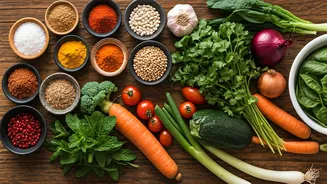
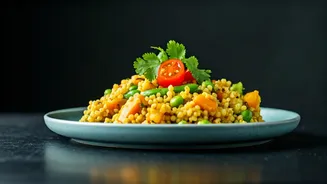
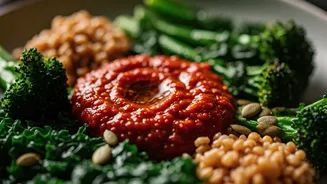
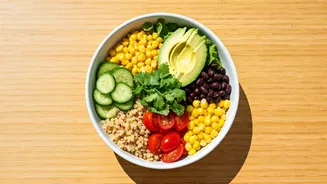
A huge driver of this shift is our ever-expanding access to global ingredients. The modern healthy kitchen is a well-stamped passport. Think of the deep, savory umami from Japanese miso paste used in a dressing, the smoky heat of Spanish paprika on roasted vegetables, or the complex, funky spice of Korean gochujang slathered on grilled chicken. Middle Eastern za'atar and tahini have become as commonplace as salt and pepper in many kitchens. These ingredients are powerful shortcuts to immense flavour without relying on heaps of sugar, salt, or unhealthy fats. They allow home cooks to build layers of complexity and excitement into simple dishes, turning a basic bowl of grains and vegetables into a crave-worthy meal.
Driven by Chefs and Social Feeds
This isn't just a grassroots movement; it’s been heavily influenced from the top down and amplified by our digital lives. Chefs at high-end restaurants began championing vegetable-centric dishes and showcasing the power of fermentation, acidity, and bitterness. As these ideas trickled down, home cooks became more adventurous. Simultaneously, social media platforms like Instagram put a premium on visually appealing food. A pale, boiled dinner doesn’t get likes. But a colourful “Buddha bowl” packed with bright purple cabbage, green avocado, and glistening, spice-dusted chickpeas is inherently shareable. This created a virtuous cycle: people wanted to eat the beautiful, healthy food they saw online, driving demand for the ingredients and techniques needed to make it.