
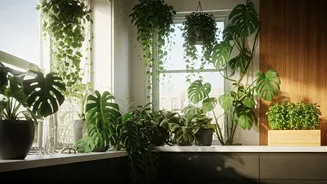




Beyond Just a Potted Plant
You’ve likely heard the term 'biophilic design' floating around, but what does it actually mean? At its core, biophilia is the idea that humans have an innate tendency to seek connections with nature. Biophilic design is the practice of translating that connection into
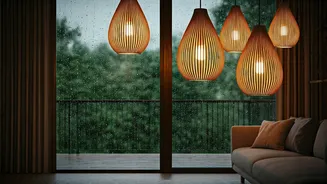
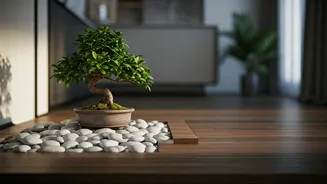
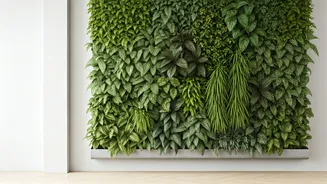
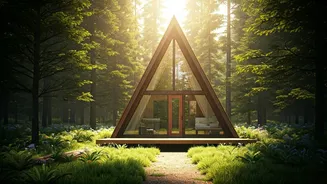
our built environments. It’s more than just placing a random succulent on your desk. It’s a holistic approach that involves intentionally incorporating natural light, organic materials like wood and stone, nature-inspired patterns, and, of course, living plants to create a space that feels restorative and alive. The goal isn't just aesthetic; it's to create environments that actively reduce stress, enhance creativity, and improve our overall sense of well-being.
Your Brain on Biophilia
For the millions of Americans working from a corner of the living room or a converted closet, the benefits of this design philosophy are especially profound. Staring at a screen for eight hours a day in a sterile, unchanging environment can lead to mental fatigue, burnout, and a creative slump. Introducing elements of nature has been shown to have measurable positive effects. Studies suggest that even a simple view of greenery can lower cortisol levels (the body’s primary stress hormone), improve focus, and boost cognitive function. By transforming your workspace from a sterile cube into a mini-sanctuary, you’re not just decorating; you’re building a more sustainable and supportive work environment for your own mind.
The Superstar of Easy Greenery
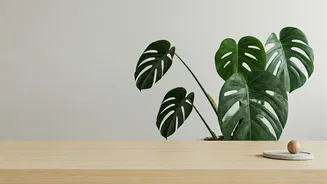
This all sounds great, but where do you start? Enter the Monstera deliciosa, often called the Swiss Cheese Plant. This is the undisputed icon of the modern houseplant movement, and for good reason. Its large, sculptural leaves with their signature splits and holes provide instant, high-impact drama and a lush, tropical vibe. A single, healthy Monstera can transform the feel of a room, making it the perfect entry point into biophilic design. More importantly, it’s famously forgiving. It communicates its needs clearly and can tolerate a bit of neglect, making it an ideal companion for busy professionals or self-proclaimed 'black thumbs' who are nervous about plant ownership.
Your Monstera Care Cheat Sheet
While 'low-maintenance' doesn’t mean 'no-maintenance,' caring for a Monstera is surprisingly straightforward. Get the basics right, and it will thrive for years. **Light:** Your Monstera wants bright, indirect sunlight. Think of the dappled light on a jungle floor. Placing it near an east-facing window or a few feet away from a south- or west-facing window is perfect. Direct, scorching sun will burn its leaves. **Water:** This is where most people go wrong. Overwatering is the number one killer. Wait until the top 2-3 inches of soil are completely dry before watering thoroughly. Let the excess water drain out, and never let the plant sit in a soggy saucer. **Support:** As your Monstera grows, it will want to climb. You can provide a moss pole or small trellis for its aerial roots to grab onto, encouraging larger, more fenestrated (split) leaves. Simply let it trail for a wilder, more relaxed look.
Styling Your Biophilic Nook
To fully embrace the biophilic trend, think beyond the plant itself. Use your Monstera as the centerpiece of a naturalistic vignette. Place it on a simple wooden or woven plant stand to give it height and prominence. Pair it with other natural textures in your home office—a cork board, a linen desk chair, a small jute rug, or wooden desk accessories. The interplay of these organic materials will amplify the calming effect. The goal is to create a multi-sensory connection to nature that you can see and feel, turning your workspace from a place of obligation into a source of inspiration.