


An Annual National Obsession
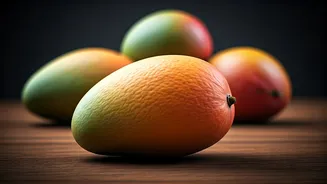
For most Americans, a mango is a mango: a sweet, vaguely tropical, reddish-green fruit available year-round at the supermarket. But in India, from late March through July, the country succumbs to a collective, joyous mania. This isn't just about fruit;
it's an event. Mango season is a cultural phenomenon, a nostalgic touchstone, and a topic of heated debate. Families have their loyalties, poets have their muses, and street vendors’ carts transform into fragrant, colorful altars to the king of fruits. The arrival of the first mangoes of the season is news. The debate over which region grows the best variety is a friendly but fierce national pastime. This period is a celebration of agricultural biodiversity, where the argument isn't made with words, but with a cascade of unique flavors, textures, and aromas.
Meet the Royal Court of Mangoes
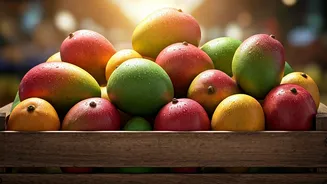
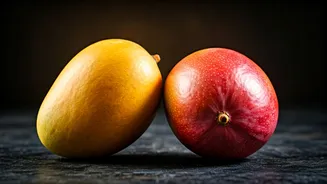
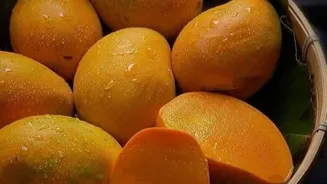
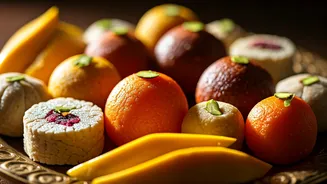
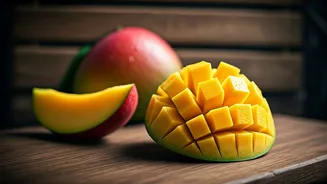
The sheer diversity is the core of the argument. You can’t understand the obsession until you understand the players. The most famous is the Alphonso, or ‘Hapus.’ Grown primarily in Maharashtra, it’s the undisputed king—creamy, fiberless, with a complex sweetness that carries notes of citrus and honey. It’s so prized that it’s often eaten on its own, sliced, with no adornment necessary. But the Alphonso is just the beginning. Travel north to Uttar Pradesh, and you’ll find the Dasheri, a smaller, elongated mango with a piercingly sweet, nectar-like pulp. Head to Gujarat for the Kesar, named for its saffron-colored flesh and intoxicating fragrance, perfect for making traditional sweets and drinks. Then there’s the Langra from Varanasi, with its slight tang and distinctively turpentine-like scent that devotees swear by, or the late-season Chaunsa from the north, so juicy and sweet it’s often just squeezed and drunk straight from the skin. Each variety has its own story, its own terroir, and its own fanatical following.
A Delicious Form of Diplomacy
This is where the mango moves from a simple fruit to a powerful tool of soft power. For decades, India has practiced what is known as “mango diplomacy,” sending crates of its finest varieties to heads of state and global leaders. It’s a gesture that says more than a diplomatic cable ever could, communicating generosity, culture, and agricultural prowess. Getting these mangoes to the U.S. was its own diplomatic saga, a multi-year negotiation over food safety standards that required Indian mangoes to be irradiated before entry. When the ban was finally lifted in 2007, it was a major event, and for Indian-Americans, the arrival of the first Alphonso shipments was a deeply emotional moment—a taste of home that had been out of reach for years. The mango, in this sense, isn't just food; it's a delicious ambassador.
How to Join the Conversation
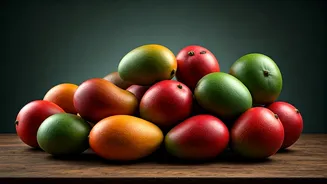
For years, experiencing this diversity in the U.S. was nearly impossible. Most mangoes in American grocery stores are the Tommy Atkins or Kent varieties, chosen for their durability and long shelf life, not their flavor. But things are changing. During the spring and early summer, South Asian grocery stores across the country become ground zero for mango fever. You’ll find cases of Alphonso, Kesar, and other varieties, often with signs proclaiming their origin. Specialty online grocers have also made it easier than ever to get a box of these prized fruits delivered to your door. The key is to look for the names. Don’t just buy a mango; buy a Dasheri. Don't just ask for a sweet fruit; ask for a Kesar. By seeking out these specific varieties, you’re not just getting a better-tasting fruit—you’re participating in a global conversation about flavor and heritage.