
First, What Is Mithai?
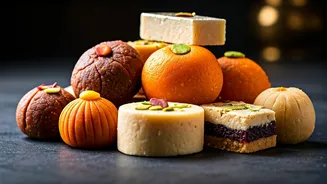
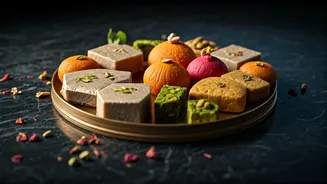
For the uninitiated, thinking of mithai as just “Indian sweets” is like calling pastry just “French dessert.” It’s a start, but it misses the universe of complexity and variety. Mithai is a vast and dazzling category of confections from the Indian subcontinent,
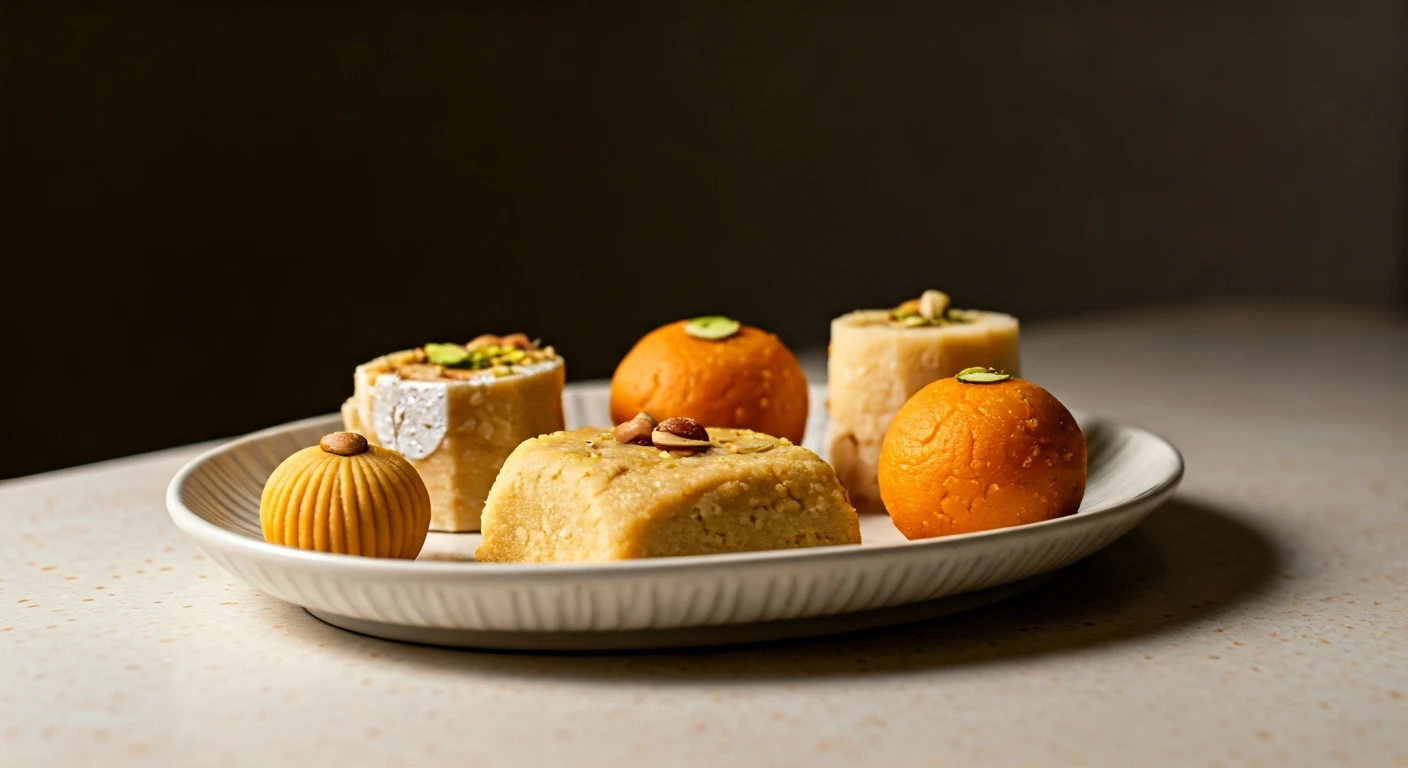
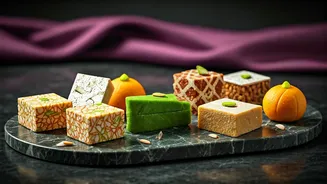
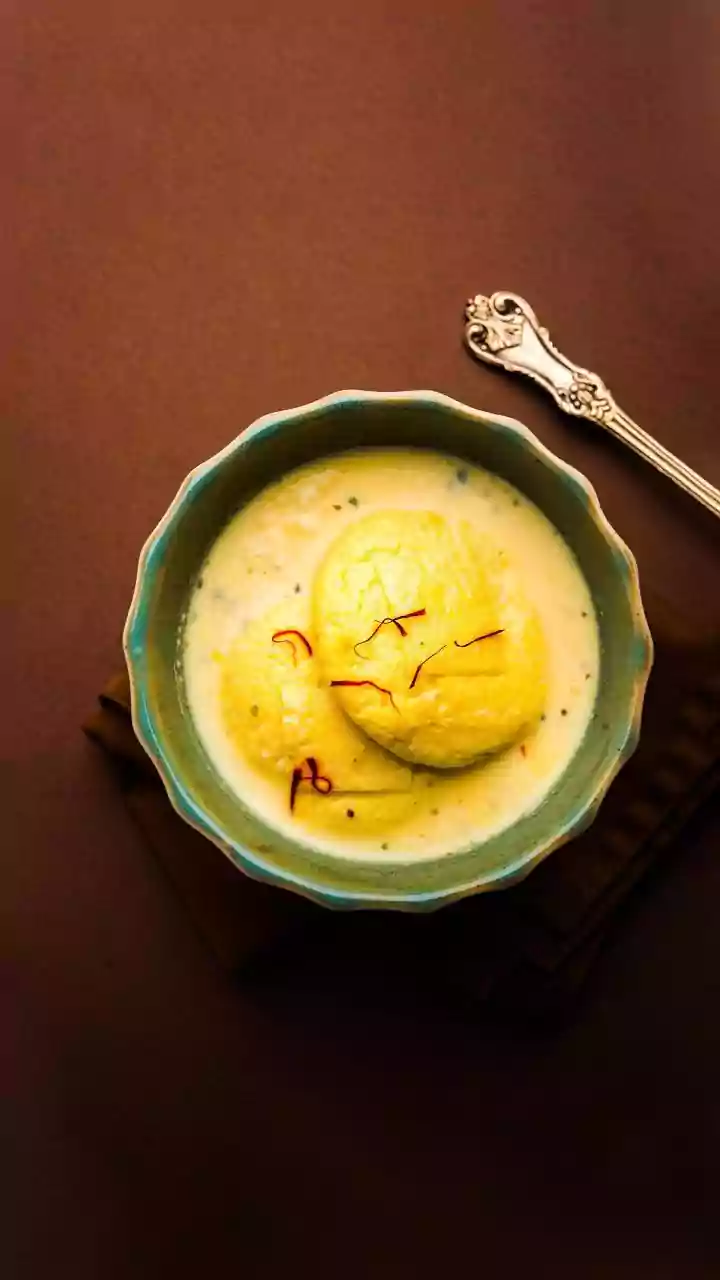
central to festivals, weddings, and everyday celebrations. These aren't just sugar bombs; they are intricate creations often built from milk, chickpea flour, nuts, grains, and cheese, then perfumed with spices like cardamom and saffron. Think of dense, fudgy squares of pistachio barfi; golden, syrup-soaked spheres of gulab jamun; or the bright orange, crispy swirls of jalebi. Each sweet has its own texture, history, and regional identity. For generations, these treats have been symbols of joy, hospitality, and tradition, passed down through families and shared during life's most important moments.
The Challenge of Tradition
Despite their cultural significance, traditional mithai have sometimes faced a perception challenge in the modern American food scene. To a palate unaccustomed to them, some sweets can seem overwhelmingly sugary or have unfamiliar textures. The use of ghee (clarified butter) and dense milk solids, while delicious, can feel heavy. For second- and third-generation South Asian Americans, and for non-South Asian foodies, the sheer variety could be intimidating, with some sweets feeling more nostalgic than innovative. This created an opening for a new generation of chefs and confectioners who grew up with these flavors but also understood the modern, global palate. Their goal wasn’t to erase tradition, but to evolve it, making mithai feel lighter, more accessible, and visually stunning for a new audience.
Enter the Elegant Rose
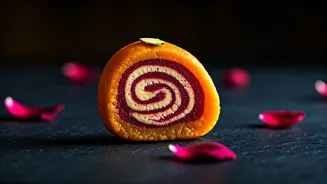
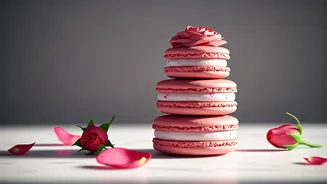
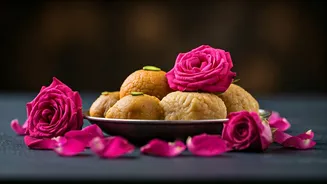
The secret ingredient in this revival? Rose. It’s a flavor that is both deeply traditional in South Asian and Middle Eastern cuisines and simultaneously perceived as chic and sophisticated in the West. We see it in French macarons, artisanal cocktails, and fancy lattes. This dual identity makes rose the perfect bridge between worlds. Rose brings a light, floral, and aromatic quality that cuts through the richness of many sweets. It’s not just about adding rose water. Modern mithai makers are using gulkand (a sweet preserve of rose petals), dusting treats with crushed, dried petals for a pop of color, and infusing syrups with a delicate rose essence. The flavor is instantly recognizable yet feels special. It transforms a familiar milk-based barfi into something more fragrant and complex, or gives a classic ladoo a subtle, perfumed finish.
A Modern, Instagrammable Revival
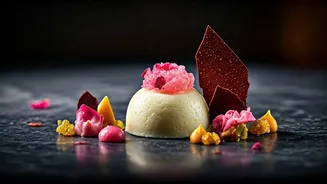
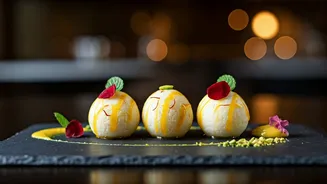
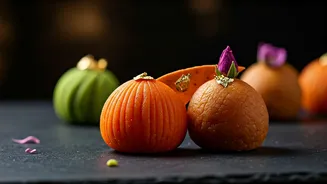
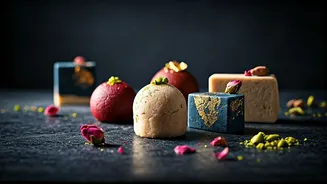
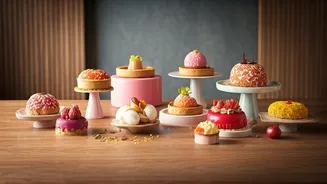
The result is a wave of mithai that is not only delicious but also beautiful. The delicate pink and red hues from rose ingredients make these sweets incredibly photogenic. A rose and pistachio barfi, with its green and pale pink layers topped with silver leaf and dried rose petals, is an object of edible art. You’ll find rose-flavored cheesecakes with a gulab jamun base, rose-and-cardamom shortbread, and even doughnuts filled with rose-scented cream. This visual appeal has been a key driver of the trend, attracting younger customers and food lovers on platforms like Instagram. When a sweet looks as good as it tastes, it invites curiosity and encourages people to try something new. Modern sweet shops are designing their products and their spaces to be bright, clean, and welcoming, a departure from some older, more functional establishments. They are presenting mithai not just as a traditional obligation, but as a gourmet experience worth seeking out.