




A Philosophy of Flavor, Not Just Frugality
Long before “root-to-leaf” and “zero-waste” became buzzwords in American foodie culture, a similar philosophy was thriving in kitchens across India. This wasn't driven by a modern environmental movement, but by a deeply ingrained respect for ingredients
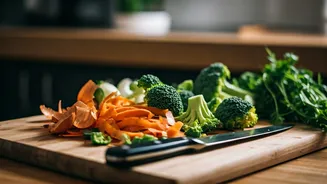
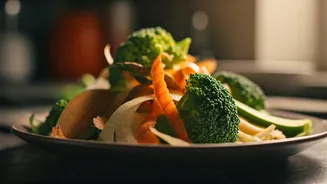
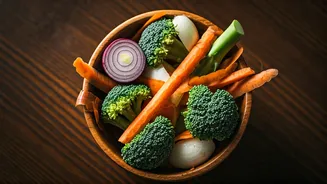
and a genius for coaxing flavor from the most humble of sources. The practice of using every part of a vegetable isn't just about stretching a budget; it’s about recognizing that the parts we often discard—peels, stems, seeds, and rinds—possess unique textures and nutritional benefits. In this culinary worldview, a potato peel isn't waste; it’s a future crispy snack. A tough cauliflower stem isn't destined for the compost bin; it's a hearty addition to a stir-fry. This approach reframes our understanding of what constitutes an ingredient, pushing cooks to find creativity and value in what is typically overlooked. It’s a tradition built on the knowledge that flavor doesn’t stop where the “best” part of the vegetable ends.
The Humble Scrap's Delicious Transformation
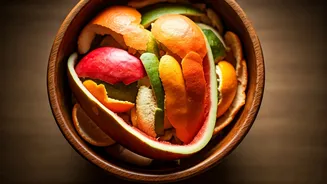
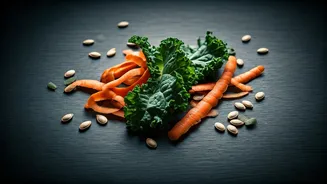
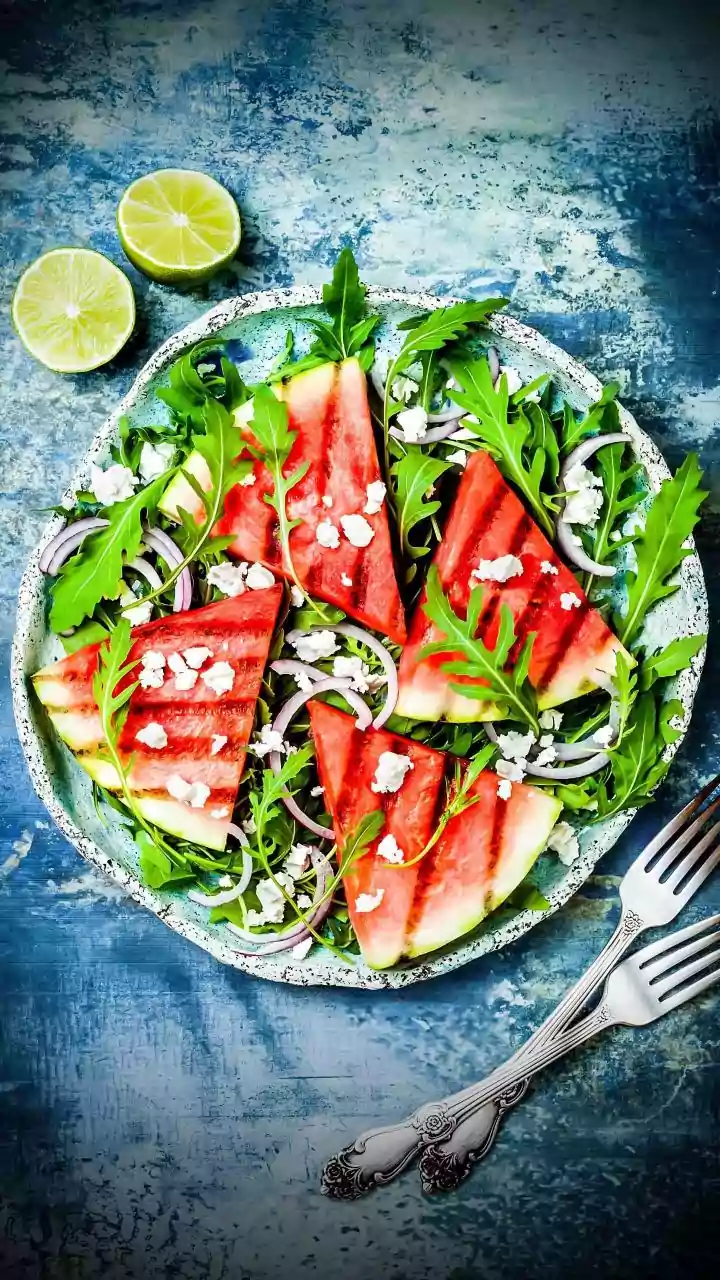
The applications of this philosophy are as diverse as India itself. In many households, the peels of ridge gourd or bottle gourd are not discarded but stir-fried with spices to become a savory side dish, known as a *bhaji* or *poriyal*. Potato peels, tossed with a pinch of salt and chili powder and then air-fried or deep-fried, become a crunchy, addictive snack that rivals any potato chip. The tough, fibrous outer leaves of a cabbage, often thrown away, are finely shredded and added to lentil dishes (*dal*) or flatbread dough for extra fiber and texture. Even watermelon rinds get a second life. After the sweet red flesh is gone, the white rind is peeled, chopped, and cooked into a tangy curry or a sweet preserve known as *murabba*. Similarly, the seeds of pumpkins and other squashes are roasted, salted, and eaten as a nutritious snack. These aren't just tricks to avoid waste; they are established, beloved dishes with their own place in the culinary repertoire.
Wisdom from Grandmother's Kitchen
Much of this knowledge has been passed down through generations, often attributed to the ingenuity of grandmothers (*nanis* and *dadis*). They were the original masters of the no-waste kitchen, their techniques honed by years of practice and a deep understanding of their ingredients. Their cooking wasn't performative sustainability; it was a practical, everyday reality. For them, throwing away a perfectly usable part of a vegetable was not just wasteful but a sign of poor kitchen management. This ancestral wisdom is now being recognized as a sophisticated culinary system. What was once seen as simply “what you do” is being re-evaluated as a powerful lesson in resourcefulness. Younger generations and home cooks, inspired by both a desire to connect with their heritage and a growing awareness of food waste, are actively seeking out these old family recipes and techniques, ensuring they don’t get lost in the age of convenience.
From Home Cooking to Modern Menus
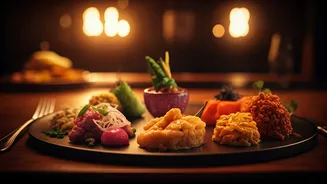
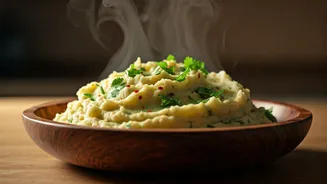
This isn't just a homespun revival. Acclaimed chefs in India and across the diaspora are embracing this philosophy, putting their own modern spin on these traditional “scrap” dishes. By placing a beautifully prepared dish of, say, banana-peel *thoran* (a coconut-based stir-fry) on a fine-dining menu, they are challenging diners’ perceptions and celebrating the elegance of frugal innovation. They are proving that ingredients once deemed inferior have the potential to be the star of the plate. This move from the private home kitchen to the public restaurant stage gives the practice a new visibility and prestige. It introduces these clever, delicious ideas to a global audience, inspiring American home cooks to look at their own kitchen scraps differently. It’s an invitation to see the pile of veggie trimmings not as a problem to be disposed of, but as an opportunity waiting to be explored.