

The Manali Paradox
Manali, nestled in the Kullu Valley of Himachal Pradesh, has long been a siren call for adventurers and soul-searchers. It’s the quintessential gateway to the high Himalayas, a launching pad for treks, paragliding, and epic road trips. But its fame has become
its burden. Today, arriving in Manali during peak season can feel less like a mountain escape and more like navigating a traffic jam in a major city. The once-quaint market streets are a crush of souvenir shops, bustling restaurants, and tourist throngs. The very peace that people come to find is often lost in the noise and commercialization. It’s a classic case of a destination loved to death, where the infrastructure groans under the weight of its own popularity, leaving many visitors wondering if they missed the memo on where to find the real magic.
An Escape Just Down the Road
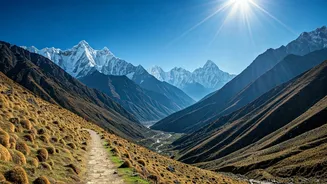
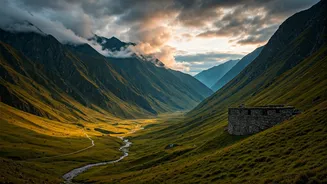
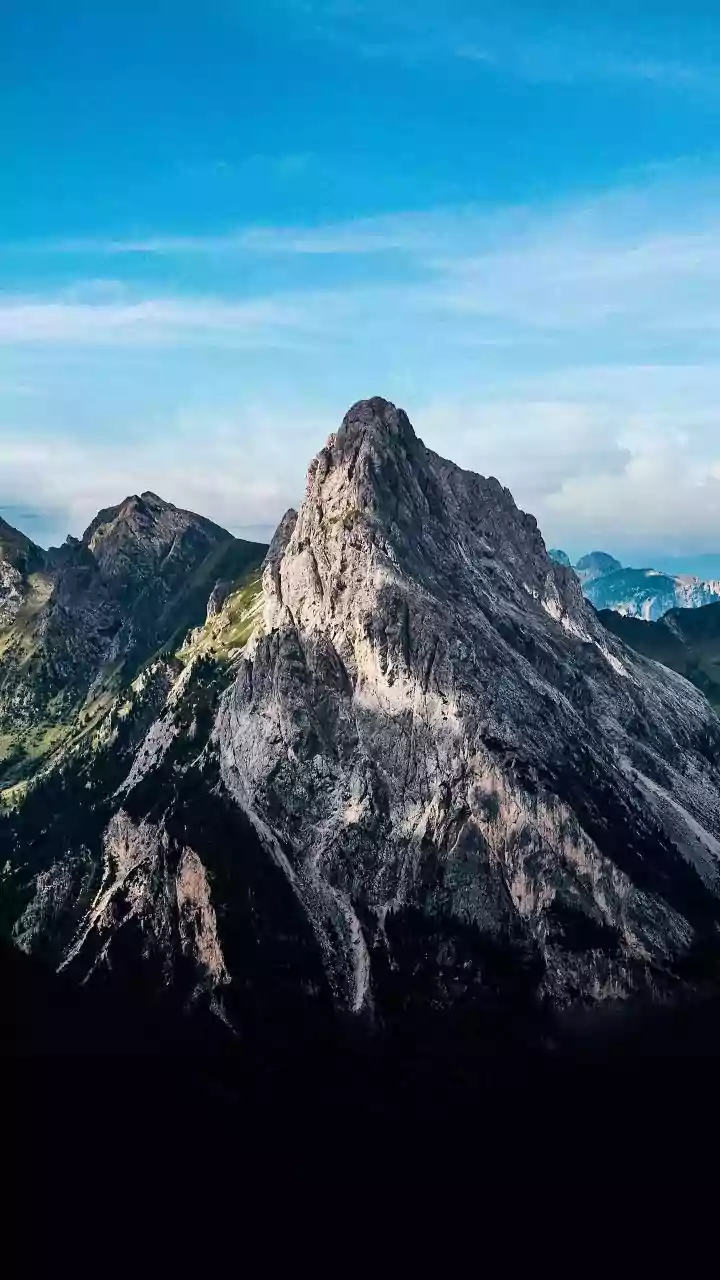
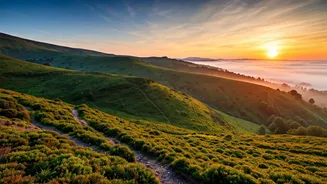
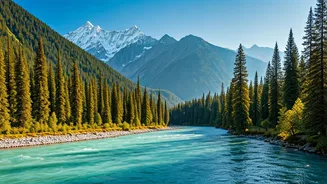
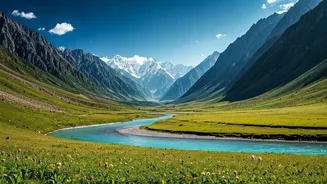
The antidote to Manali’s madness isn’t a grueling multi-day trek away. It’s a mere 13-mile drive south. Welcome to Naggar. The journey itself is a transition. As you wind your way down the valley, the honking horns and construction noise fade, replaced by the sound of the Beas River and wind rustling through deodar trees. Naggar immediately feels different. Perched on a forested slope with panoramic views of the distant snow-capped peaks, this small town operates on an entirely different rhythm. It was once the capital of the Kullu kingdom for over 1,400 years, and it has retained a regal, unhurried dignity that its more famous neighbor has largely sacrificed for commerce. Here, the air feels cleaner, the views feel wider, and the quiet feels profound.
History Carved in Wood and Stone
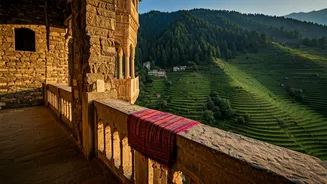
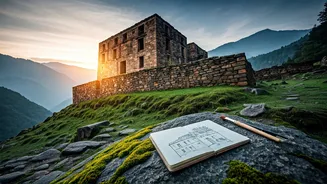
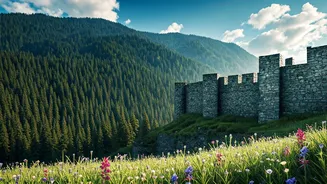
The centerpiece of the town is Naggar Castle, a magnificent structure built around 1460 A.D. Constructed from stone and wood in the traditional Kath-Kuni architectural style—which uses interlocking wooden beams to create earthquake-resistant structures—it stands as a testament to the region’s heritage. Now managed by the state’s tourism department and partially converted into a heritage hotel, its courtyards and balconies are open to visitors. For a small entry fee, you can wander its halls, peer out from intricately carved windows, and stand on the open terrace where Kullu kings once held court. The views across the valley from here are breathtaking and blessedly unobstructed. The castle also houses a small restaurant, making it the perfect spot to sip a cup of chai and soak in centuries of history.
A Russian Artist's Himalayan Muse
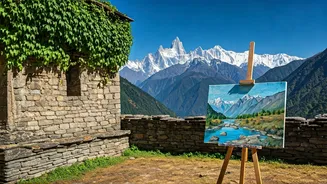
Naggar's modern identity is inextricably linked to Nicholas Roerich, a renowned Russian artist, writer, and philosopher who made this village his home from 1929 until his death in 1947. Drawn by the spiritual energy and sublime beauty of the Himalayas, Roerich and his family created a haven of art and culture. Their former residence is now the Roerich Art Gallery, a must-visit site. The gallery showcases dozens of his striking paintings, which capture the Himalayas in vivid, mystical hues of blue, purple, and pink. You can feel his deep connection to the mountains in every brushstroke. The estate maintains a serene, contemplative atmosphere, allowing you to walk through his studio and appreciate the very views that inspired his life’s work. This artistic legacy infuses Naggar with a creative spirit that you won’t find in the adventure-sport hubs.
The Rhythm of a Slower Life
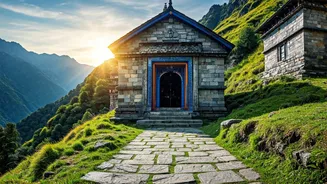
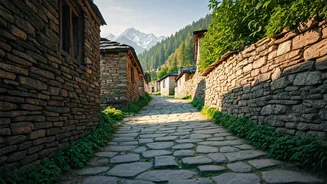
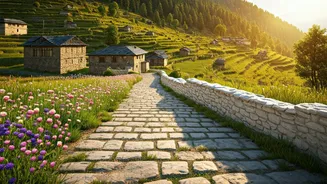
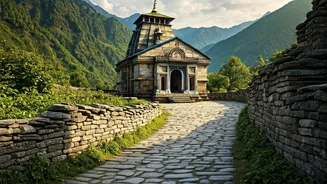
Beyond its main attractions, Naggar’s greatest appeal is the pace of life itself. This is a place for walking. Wander the quiet lanes, past traditional homes with slate roofs and apple orchards. Discover ancient temples tucked away in the forest, like the pagoda-style Tripura Sundari Temple or the stone Gauri Shankar Temple. Unlike the transactional feel of a major tourist town, interactions here feel more genuine. You can watch local artisans at work, chat with shopkeepers without a hard sell, and find yourself on a trail with no one else around but the birds. It’s a place that encourages you to slow down, to notice the details—the quality of the light on a distant peak, the smell of pine in the air, the taste of a simple, home-cooked meal at a local eatery. It replaces the frantic checklist of tourism with the simple pleasure of being.