

The Age of Performative Pain
Remember the peak of ‘hustle culture’ fitness? It dominated social media feeds for the better part of a decade. Think pre-dawn alarms for two-a-days, motivational posts captioned “No Days Off,” and influencers filming themselves pushing through agonizing
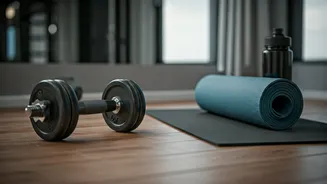
reps until muscle failure. This was the era of the gym bro grind, where the value of a workout was measured by how much it hurt, how much you sweat, and whether you felt like you might collapse afterward. The underlying philosophy was simple: more is always better. More intensity, more weight, more reps. Rest was for the weak. This all-or-nothing approach created a culture of performative athleticism, where working out was less about personal health and more about broadcasting one's discipline and toughness. While it motivated some, it left countless others feeling inadequate, intimidated, and eventually, completely burned out. The cycle was predictable: a burst of extreme motivation, followed by injury or exhaustion, leading to weeks of doing nothing at all.
Enter the Gen Z Correction
Gen Z, a generation raised online and hyper-aware of the pitfalls of curated perfection, is staging a quiet rebellion. They watched millennials burn out on hustle culture in their careers and are now refusing to apply that same broken logic to their bodies. Instead of “beast mode,” they’re embracing what’s been dubbed “soft fitness” or “cozy cardio.” The evidence is everywhere: TikTok is flooded with videos promoting the “12-3-30” workout—simply walking on a treadmill at a 12% incline at 3 mph for 30 minutes. It’s effective, accessible, and repeatable.
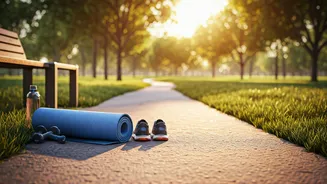
This isn't about being lazy; it's a strategic recalibration. For many in this cohort, exercise is primarily a tool for mental health, not just physical transformation. A 2023 Les Mills report found that nearly 70% of Gen Z exercisers see it as vital for their mental wellness. The grueling, high-stress workouts of the past often spike cortisol, the stress hormone, which is counterproductive to that goal. So they’re choosing long walks, low-impact Pilates, casual bike rides, and stretching—activities that feel good and reduce stress rather than add to it.
Why Consistency Is the Real Superpower
The secret Gen Z has unlocked isn’t new, but it’s one that the fitness industry often forgets to sell: consistency is infinitely more powerful than intensity. Every exercise physiologist and reputable trainer will tell you the same thing. The body adapts and improves through repeated stimuli over time, not from occasional, heroic efforts. A 30-minute walk every day is monumentally better for your cardiovascular health, metabolism, and mental state than one brutal, two-hour gym session a week.
Sustainable routines build habits that last. When exercise is enjoyable and doesn't leave you dreading the next session, you’re more likely to stick with it. This approach also dramatically lowers the risk of injury and burnout that plagues the all-or-nothing crowd. By prioritizing showing up consistently, even for a short or gentle session, you’re building a foundation of health that supports you for a lifetime, not just for a six-week challenge.
It’s Not Anti-Effort, It’s Pro-Sanity
It’s easy to misinterpret this trend as a rejection of hard work. It's not. It’s a rejection of *pointless* work and the toxic idea that self-worth is tied to physical suffering. This new wave of fitness is about embracing a smarter, more balanced approach. It’s about understanding that health isn't a destination you reach through punishment, but a continuous practice of self-care. It’s about finding the “minimum effective dose”—the least amount of effort required to get the desired result—which frees up physical and mental energy for other aspects of life.
Gen Z’s reality check is a lesson for all of us. The pressure to maintain a perfect, high-intensity fitness regimen is a recipe for failure. By decoupling exercise from ego and performance, we can reconnect with the simple joy of movement and build a healthier relationship with our bodies. It’s a shift from “What’s the most impressive thing I can do?” to “What can I do today, and tomorrow, and the day after that?”