
The Backlash Against Perfection
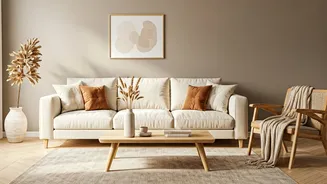
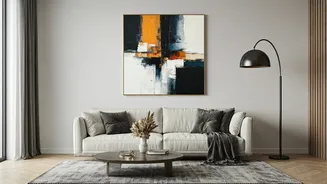
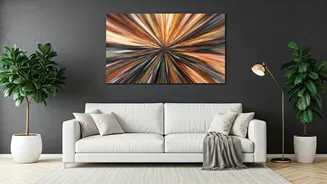
Walk through a recently staged home or scroll through a certain type of Instagram feed, and you’ll see it: the beautifully impersonal space. Everything is smooth, symmetrical, and sourced from the same handful of direct-to-consumer brands. While undeniably
clean and appealing on the surface, this aesthetic can often feel more like a showroom than a home. It’s a look born from mass production, where efficiency and cost-cutting smooth away any quirks, imperfections, or signs of a human hand. After a decade dominated by this sleek but sterile vision of modern living, homeowners and designers are craving something more. There’s a growing sense that a home’s soul can't be bought from a catalog. The backlash isn’t against modernism itself, but against the soulless uniformity it can produce. We’re beginning to remember that the most memorable spaces aren’t perfect; they’re personal. They have layers, textures, and objects that don’t just fill a space but enrich it with meaning.
The Rise of the 'Imperfect' Object
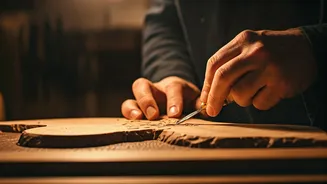
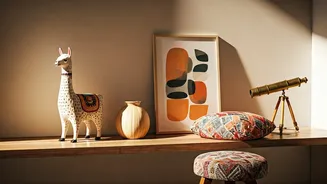
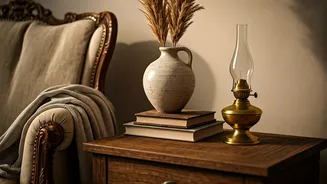
Enter the craft piece. This isn’t necessarily a macrame wall hanging from the 1970s (though it could be!). A 'craft piece' is any object that proudly bears the mark of its maker. Think of a hand-thrown ceramic mug where the glaze dripped just so, a vintage wooden stool with a lifetime of scuffs and repairs, a block-printed textile with slight variations in the pattern, or a piece of folk art whittled from a single piece of wood. These objects stand in stark contrast to their mass-produced cousins. Their value lies not in their flawless replication but in their unique character. The slight asymmetry of a hand-blown glass vase or the visible weave of a handmade basket serves as a quiet reminder that a person, not a machine, made this. In a digitally saturated world, this physical connection to material and maker feels grounding. It introduces a note of authenticity into our environments, a welcome 'flaw' in an otherwise perfectly curated world.
Telling a Story with Texture and Soul
The headline gets it right: these pieces tell a “softer story.” A factory-made end table has a SKU number; a piece of reclaimed barn wood fashioned into a shelf has a history. A set of identical, machine-made drinking glasses serves a function; a collection of mismatched vintage glasses gathered over time tells the story of flea market hunts and weekend travels. This is the fundamental difference. Crafted objects infuse a home with narrative. That hand-knotted rug might connect you to a centuries-old weaving tradition from another part of the world. That lumpy ceramic bowl your friend made in a pottery class holds the story of their creative journey. These items are conversation starters, not just because they are beautiful or unusual, but because they are imbued with a story beyond their function. They add emotional texture, softening the hard edges of a purely modern aesthetic and making a space feel lived-in, loved, and layered.
How to Bring Craft Home
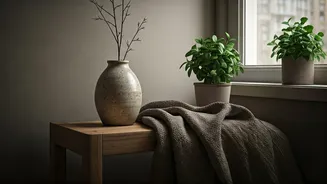
Incorporating craft doesn’t require a complete design overhaul or a massive budget. In fact, its power is often most potent in small doses. The key is to look for pieces that resonate with you personally. Start by replacing a generic item with a handmade one. Swap the big-box store vase for one from a local ceramicist. Instead of a generic print, frame a beautiful piece of fabric or even a child's drawing. Think about contrast. A rough-hewn wooden bench looks even more beautiful set against a clean, white wall. A colorful, hand-stitched quilt adds immediate warmth when draped over a sleek, modern sofa. Visit local craft fairs, browse Etsy, explore antique shops, and don't be afraid to display family heirlooms. The goal isn't to create a museum of precious objects, but to build a collection of things that feel like they belong to you and you alone. It’s about choosing character over conformity.