




Beyond the Curry House
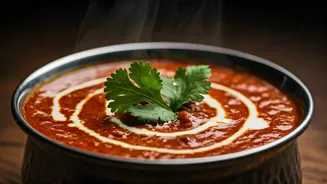
For decades, the American understanding of Indian food has been largely defined by a handful of Northern Indian dishes served in cozy, often kitschy, neighborhood restaurants. It’s a cuisine associated with rich, comforting sauces, all-you-can-eat lunch
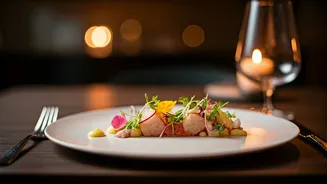
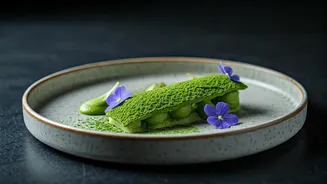
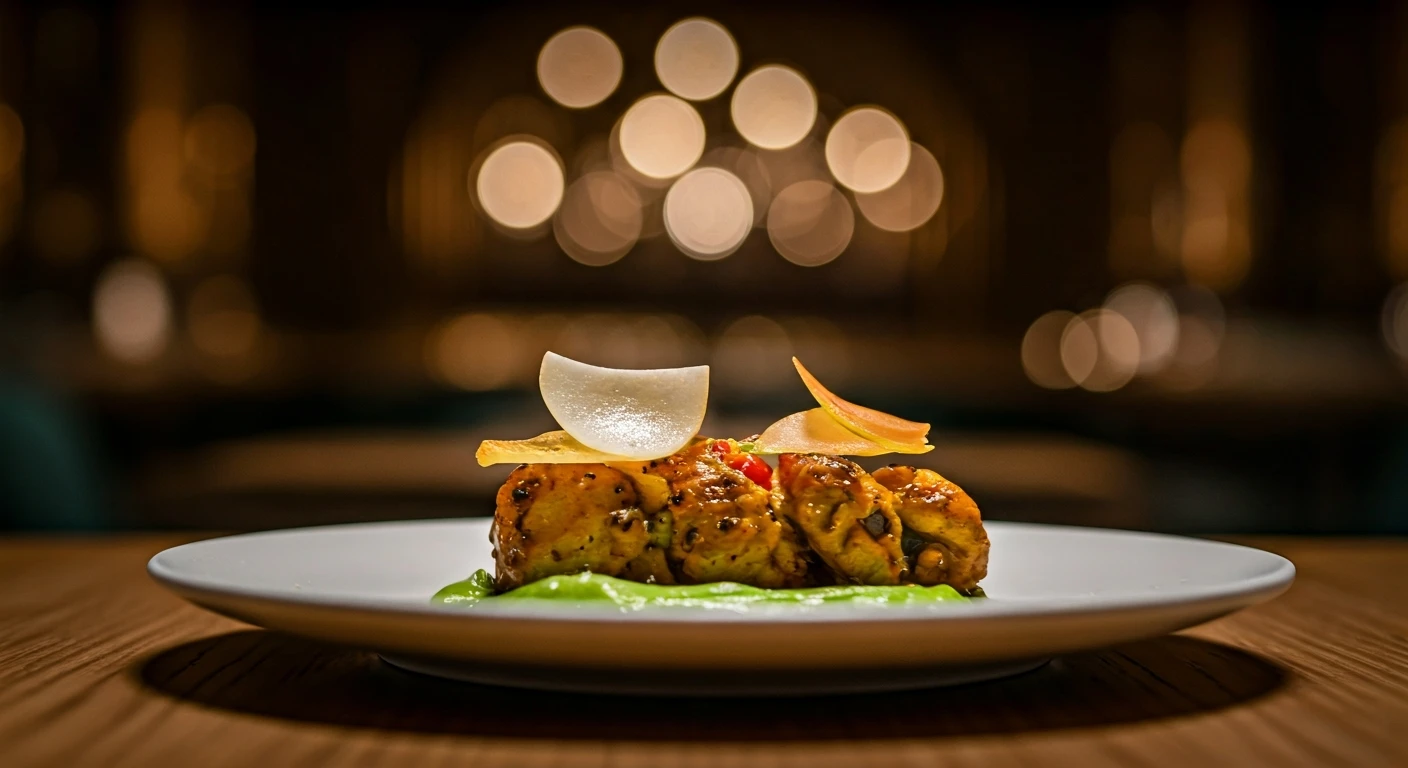
buffets, and a predictable flavor profile. While delicious, this perception is a decade out of date. Across India, particularly in metropolises like Mumbai, Delhi, and Bengaluru, a culinary revolution is underway. It’s ambitious, creative, and fiercely proud of its roots, pushing the boundaries of what both Indians and the world think of as “Indian food.” This isn’t about abandoning tradition, but interrogating it, deconstructing it, and presenting it with a level of precision and artistry that rivals the world’s finest dining destinations.
The New Guard of Chefs
At the heart of this movement is a new generation of Indian chefs. Many trained in the hallowed kitchens of Europe and the United States—Noma, The French Laundry, Alinea—and have returned home, not to replicate what they learned, but to apply those techniques to the vast, untapped pantry of the Indian subcontinent. They are food scholars as much as cooks, embarking on sourcing trips to remote villages, reviving heirloom rice varieties, and rediscovering culinary techniques documented in ancient texts. Chefs like Prateek Sadhu, the visionary behind Mumbai’s now-closed but seminal Masque, championed a hyper-local, ingredient-first philosophy. Others, like Manish Mehrotra of Indian Accent, pioneered a playful but sophisticated “inventive Indian” cuisine that has become a global phenomenon. Their shared goal is to create a modern culinary language that is undeniably Indian but speaks to a global palate.
Mumbai’s Modernist Wave
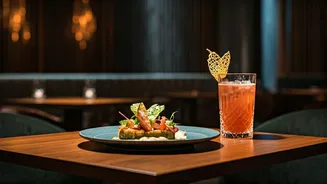
Mumbai, India’s financial and entertainment capital, has become the epicenter of this new wave. The city is buzzing with restaurants that are as much about concept and experience as they are about food. At Ekaa, a tasting menu might explore the singular concept of “sweetness” or focus on a single ingredient, presenting it in a dozen different forms. The focus is intellectual and artistic, demanding diners to think about their food in a new way. At The Bombay Canteen, the vibe is more raucous and fun, offering a clever, updated take on regional Indian comfort food in a space that feels like a stylish, retro social club. These aren’t quiet, stuffy temples of gastronomy; they are vibrant, energetic spaces that reflect the city's own dynamic pulse, complete with world-class cocktail programs and impeccable, informed service.
Delhi’s Inventive Spirit
While Mumbai pushes modernist boundaries, Delhi elegantly refines the art of inventive Indian dining. The city’s crown jewel remains Indian Accent, which has outposts in New York and Mumbai but whose Delhi flagship set the original standard. Here, dishes playfully merge nostalgia with global flair, like blue cheese-stuffed naan or pulled pork phulka tacos. The restaurant proved that Indian food could be both deeply comforting and utterly surprising, paving the way for countless others. Delhi's dining scene also showcases a deep respect for pan-Indian flavors, with restaurants like Avartana in nearby Chennai (part of a luxury hotel group with a strong Delhi presence) earning accolades for its complex, artfully plated tasting menus inspired by South Indian traditions. The city’s ambition is clear: to present Indian cuisine with the sophistication and creativity it has long deserved.
A Cultural Coming-of-Age
This culinary explosion isn't happening in a vacuum. It’s a direct reflection of India’s broader economic and cultural transformation. A growing, well-traveled urban upper class is hungry for new experiences and eager to celebrate its own culture on a global stage. For this new generation of diners, a meal at a restaurant like Masque or Indian Accent is a statement of identity—a way of saying that Indian creativity can compete with, and even surpass, the best in the world. The country’s food scene has finally caught up to its ambition. It’s no longer just about exporting flavors; it’s about creating a world-class destination for culinary pilgrims right at home. The Michelin Guide, which recently debuted in India, is only confirming what those on the ground have known for years: something special is cooking.