


An Ancient Tradition Meets a Modern Movement
Let’s get one thing straight: plant-based Indian food isn’t new. It’s ancient. While “plant-based” became a Silicon Valley buzzword in the last decade, vegetarianism has been a cornerstone of Indian culture for millennia, deeply rooted in religious and
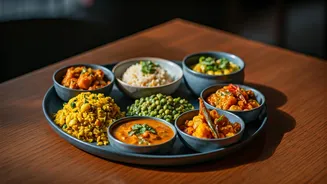
philosophical traditions like Hinduism, Jainism, and Buddhism. For hundreds of millions of people, a diet centered on vegetables, lentils, and grains isn't a lifestyle choice; it's just lunch. What’s changed is the American appetite. As U.S. consumers increasingly seek out meat-free meals for health, environmental, and ethical reasons, they’re discovering something Indian grandmothers have known forever: you don’t need meat to create deep, complex, and utterly satisfying flavor.
The Ultimate Flavor Playbook
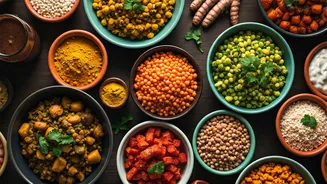
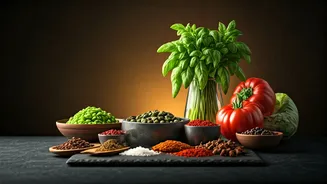
The reason Indian cuisine is so perfectly suited for this moment lies in its mastery of flavor alchemy. While Western cooking often uses meat as the foundational source of umami and richness, Indian cooking builds it from the ground up using an unparalleled spice playbook. Think of the earthy depth of cumin and coriander, the warmth of turmeric and ginger, the subtle perfume of cardamom, and the fiery kick of chili. Techniques like tadka (or chaunk), where whole spices are bloomed in hot oil or ghee to unlock their essential oils, create a layer of flavor so profound that you never feel like something is “missing.” This culinary infrastructure makes vegetables the star, not a side character. A simple potato in an aloo gobi becomes a flavor bomb, and humble lentils in a dal transform into a rich, soulful stew.
From Niche Markets to Your Local Supermarket
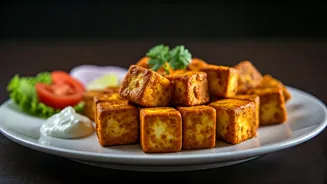
The surest sign of a trend going mainstream is its arrival in the suburban grocery cart. For years, finding authentic Indian ingredients meant a trip to a specialty store. Today, you can find pre-made dals, chana masala, and palak paneer in the prepared foods sections of Whole Foods and Costco. Brands are selling simmer sauces and spice blends that make it easier than ever to replicate restaurant-quality dishes at home. This is happening alongside a restaurant boom. We’re seeing a surge in fast-casual Indian eateries that offer customizable, healthy bowls, as well as high-end establishments helmed by a new generation of Indian-American chefs. These culinary leaders are pushing past the tired “curry house” buffet model to showcase the incredible diversity of India’s regional, and often vegetarian, cuisines.
Redefining 'Indian Food' in America
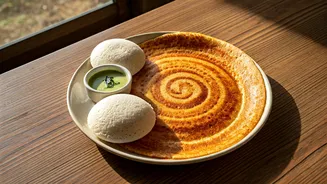
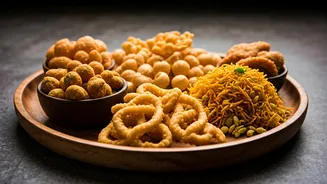
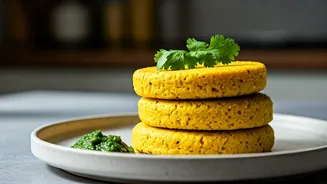
Perhaps the most exciting part of this movement is how it's expanding America’s understanding of what “Indian food” even is. The old guard of North Indian, Punjabi-style dishes—while delicious—represented just one sliver of a massive culinary pie. Now, chefs and food entrepreneurs are introducing Americans to the lighter, coconut-infused vegetarian dishes of the South, the savory snacks (chaat) that are a universe of texture and taste, and regional specialties that have been perfected over centuries. This new wave is authentic, proud, and unapologetically complex. It’s not about “dumbing down” flavors for an American palate but rather inviting everyone in to experience the real thing. It’s a culinary education happening one delicious, plant-powered meal at a time.