
The Flavor Revolution in Aisle Five
The beige flavors that once dominated American pantries are making way for a riot of color and complexity. We’re in the era of street-food-inspired consumer packaged goods (CPGs), where the culinary excitement of a night market or a bustling city corner
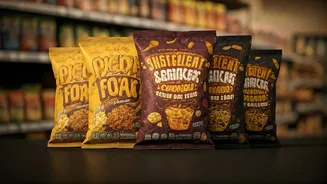
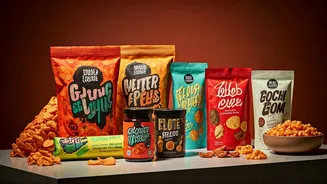
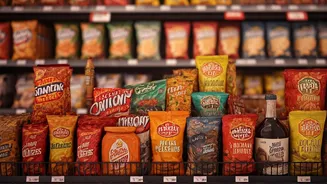
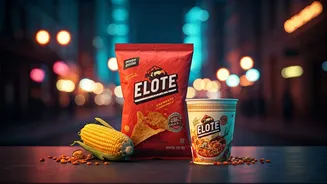
is being translated into chips, sauces, and frozen meals. Think Pringles releasing a “Chile y Limón” flavor that directly echoes the taste of Mexican street corn, or Trader Joe's debuting frozen “Kimbap” that sold out nationwide. These aren't niche items in a specialty store; they're mainstream products from major brands like Conagra, PepsiCo, and Kellogg's. The trend is about capturing the essence of these foods—often characterized by bold, complex flavor profiles combining sweet, sour, spicy, and savory notes—and making them accessible in a convenient, shelf-stable format. It’s the difference between a plain potato chip and one dusted with the tangy, spicy complexity of Tajín, a seasoning that has itself become a crossover star.
The Perfect Palate: Why Gen Z?
This trend isn’t happening in a vacuum. It’s being driven by the distinct preferences of Generation Z (born roughly between 1997 and 2012). As the most racially and ethnically diverse generation in U.S. history, their palates are inherently more global. They’ve grown up with access to a wider variety of cuisines, both in their communities and online. Furthermore, as digital natives, their relationship with food is deeply intertwined with social media. A dish’s “viral potential” on platforms like TikTok and Instagram is a significant driver of its popularity. Street foods—with their vibrant colors, dynamic preparation, and cultural stories—are eminently shareable. A 15-second video of cheese being pulled from a Korean corn dog or a birria taco being dipped in consommé can garner millions of views, creating organic, peer-to-peer marketing that brands can only dream of. Gen Z doesn't just want to eat; they want an experience, a story, and something new to share with their followers.
Snackification and the Search for Authenticity
Beyond a global palate, Gen Z’s eating habits align perfectly with the nature of street food. The generation has spearheaded the “snackification” of meals, preferring smaller, more frequent, and less formal eating occasions over the traditional three-meals-a-day structure. Street food is the original snackable meal—portable, easy to eat, and designed for casual consumption. Brands are tapping into this by creating products that deliver a full-flavor meal experience in a snack format. At the same time, this generation craves authenticity, or at least the perception of it. They are wary of generic “ethnic” flavors that feel watered down. The success of these products often hinges on their ability to respectfully and accurately represent a specific dish or regional flavor profile. A “Spicy Mexican-Style” chip is less appealing than a “Chile Relleno” flavored chip. The specificity signals a deeper cultural understanding, which resonates with a generation that values authenticity and is quick to call out cultural appropriation.
From Food Truck to Factory Floor
For food giants, this trend represents a powerful and relatively low-risk innovation strategy. Instead of inventing a completely new flavor profile from scratch, they can act as curators, identifying popular street food trends and reverse-engineering them for mass production. Social media is the world’s largest focus group. By monitoring viral food trends on TikTok, companies can quickly gauge demand for flavors like birria or Nashville hot chicken before investing millions in product development. This process allows them to tap into pre-existing cultural cachet. They aren't just selling a flavor; they're selling a connection to a beloved, authentic food experience. It’s a way to inject excitement and novelty into established product lines, attracting younger consumers who might otherwise overlook legacy brands. The challenge lies in execution—moving quickly enough to be relevant while ensuring the final product honors the source material.