





The End of the All-or-Nothing Vacation
For generations, travel in India followed a predictable rhythm. Families saved up all year for one big trip, usually during the sweltering summer school break or the major festival season of Diwali. It was an all-or-nothing affair involving packed trains,
pre-booked hotels, and meticulous planning. That model is now being disrupted by the 'micro-cation'—a short, often spontaneous getaway of one to four nights, typically taken over a long weekend or even a standard one. This isn't just about taking shorter trips; it's a complete shift in mindset. Instead of one major annual release valve, a growing number of Indians are opting for multiple, smaller doses of travel throughout the year. This trend, fueled by a desire to escape the daily grind, is turning every weekend into a potential holiday.
The New Drivers of Indian Travel
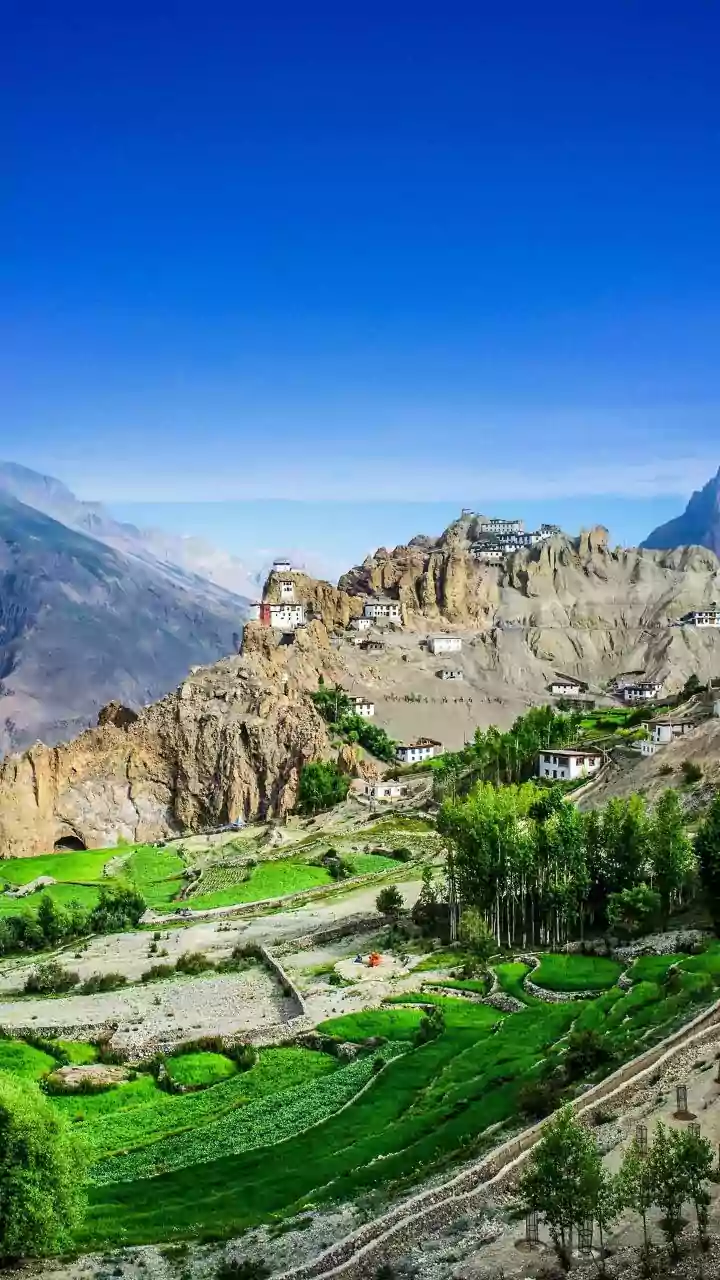
So, what’s behind this travel revolution? It’s a perfect storm of economic and cultural shifts. First, India's burgeoning middle class, especially its massive millennial and Gen Z population, has more disposable income than previous generations and a different set of priorities. They value experiences over possessions. Second, the pandemic normalized remote and hybrid work models. This newfound flexibility allows urban professionals to blend work and leisure, a concept often dubbed 'work-from-anywhere' or 'bleisure.' An employee might log in from a homestay in the hills of Himachal Pradesh on a Friday and spend the rest of the weekend hiking. Finally, improved infrastructure, including better highways and a proliferation of budget airlines, has made once-remote destinations accessible for a quick trip. Digital travel platforms and social media also play a huge role, providing both the inspiration and the easy booking tools for these impromptu escapes.
Blurring the Travel Seasons
The most significant impact of the micro-cation trend is the 'rewriting' of the travel calendar. The industry is no longer solely reliant on the traditional peak seasons of April-June and October-December. Now, any long weekend—and India has many, thanks to its diverse roster of public holidays—triggers a surge in travel. This is smoothing out the dramatic peaks and troughs of tourism demand. Hotels and tour operators that once saw business evaporate during the 'off-season' are now reporting more consistent, year-round traffic. This phenomenon, often called 'demand flattening,' is a game-changer. It allows businesses to retain staff and operate more sustainably. The focus is shifting from a few blockbuster months to a steady stream of weekend warriors looking for a quick reset.
A Boom for Boutique and Beyond
Micro-cations are also reshaping the destinations themselves. Travelers on a short trip don't want to waste time on long-haul journeys. This has created a boom for destinations within a 3-to-5-hour drive of major metropolitan hubs like Mumbai, Delhi, and Bengaluru. Quaint hill stations, coastal towns, and nature reserves that were once considered sleepy weekend spots are now thriving tourism hotspots. The beneficiaries are not just large hotel chains but a sprawling ecosystem of smaller players. Boutique hotels, independent homestays, eco-resorts, and wellness retreats are flourishing as they offer the unique, authentic experiences these travelers crave. This localized tourism injects money directly into smaller communities and fosters a more diverse and resilient travel industry, moving beyond the traditional 'Golden Triangle' circuit of Delhi, Agra, and Jaipur.