




The Reign of the Alphonso
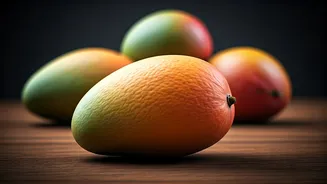
To understand the challenge, you first have to understand the king. The Alphonso mango, known as ‘Hapus’ in its native India, is a phenomenon. Grown primarily in the coastal Ratnagiri and Devgad regions of Maharashtra, it’s a fruit that inspires poetry,
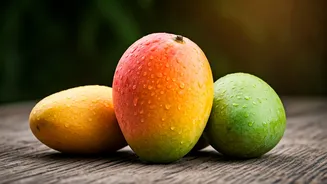
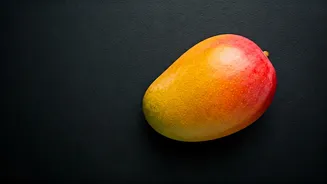
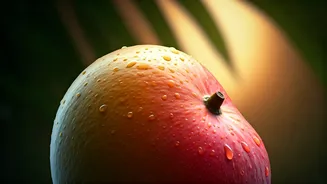
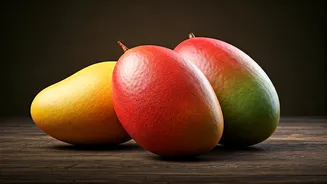
cross-country shipping frenzies, and eye-watering prices. What makes it so special? A near-perfect balance of sweetness and acidity, a creamy, non-fibrous pulp that melts in your mouth, and a saffron-gold skin that blushes with a hint of red. Its aroma is potent and complex, a heady mix of citrus, honey, and something uniquely tropical. For decades, it was a rare delicacy in the U.S. due to import restrictions, which only added to its mystique. Today, irradiated and bearing a protected Geographical Indication (GI) tag like a fine Champagne, the Alphonso represents the pinnacle of the mango experience for many connoisseurs.
Enter the Challenger: Himsagar
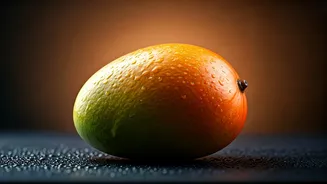
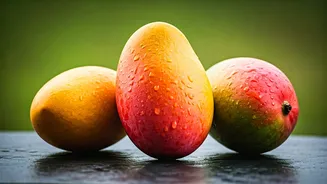
Now, travel east to the verdant plains of West Bengal and Bangladesh. Here, another mango reigns supreme, though with far less international fanfare: the Himsagar. Where the Alphonso is bold and assertive, the Himsagar is subtle and intoxicatingly fragrant. It’s a medium-sized, greenish-yellow fruit, often unassuming in appearance. But inside, it holds a treasure of deep orange, fiberless pulp. The name Himsagar translates to ‘ocean of ice,’ a poetic nod to its cooling sweetness and profoundly smooth texture. While Alphonsos are a global brand, Himsagars have long been a beloved regional secret, fiercely cherished by Bengalis who consider its arrival the true start of summer. Its ‘challenge’ to the Alphonso isn’t one of market share or commercial ambition, but a quiet, confident assertion of its own distinct—and, for some, superior—excellence.
A Tale of Two Tastes
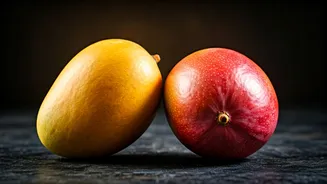
Comparing an Alphonso to a Himsagar is like comparing a bold Cabernet Sauvignon to a delicate Pinot Noir; both are excellent, but they appeal to different sensibilities. The Alphonso hits you with a rich, complex wave of flavor. It's intensely sweet but balanced by a bright, citrusy tartness that keeps it from being cloying. Its texture is famously buttery and dense. The Himsagar, on the other hand, offers a different kind of pleasure. Its sweetness is purer, often described as tasting like honey or floral nectar, with almost no acidic backbite. It’s intensely aromatic, filling a room with its scent before you even cut into it. The texture is supremely creamy and succulent, but perhaps a touch thinner than an Alphonso. For those who find the Alphonso’s richness almost overwhelming, the Himsagar offers a more refined, purely sweet experience.
The Market and the Palate
For U.S. consumers, the battle is often decided by simple availability and price. Alphonsos, thanks to their established supply chains and global reputation, are more widely available during their short season (typically April to June), though they command a premium price, often selling for over $5 per fruit in specialty stores. Himsagars are harder to find. You’ll need to seek them out at South Asian grocers in cities with large Bengali populations, like New York, Chicago, or in the Bay Area. Their relative obscurity, however, often means they are more affordable than their western Indian cousins. This accessibility is a key part of Himsagar’s growing appeal. As more consumers discover it, they’re realizing that the ‘best’ mango is a matter of personal taste, not just brand recognition.