







More Than Just a Workout
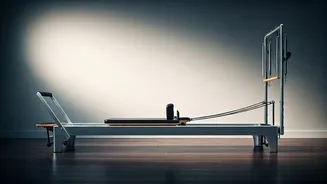
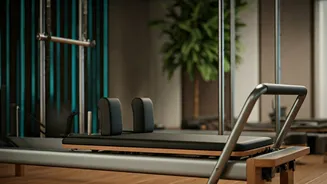
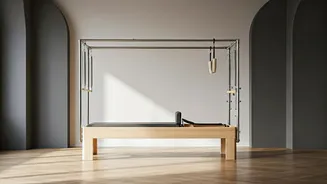
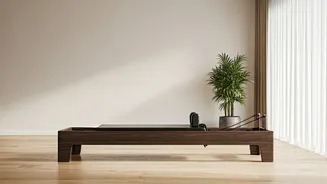
In the upscale neighborhoods of Bandra and Juhu, sleek, minimalist studios are buzzing. But this isn't the come-as-you-are, communal vibe of a neighborhood yoga class. This is Pilates, Mumbai-style. Think gleaming reformer machines, one-on-one sessions
with celebrity trainers, and an atmosphere that feels as much like a private club as a gym. For a growing segment of the city’s elite, a Pilates membership is the new, essential status symbol. The workouts are intense and the price tags are even more so, with private sessions costing more than what many Indians earn in a week. It's a world away from the spiritual, ancient practice of yoga, representing a pivot towards a globally recognized, physique-focused, and distinctly modern form of wellness. The goal isn’t just fitness; it’s about participating in a lifestyle that signals aspiration, affluence, and access.
The Bollywood Effect
You can’t understand any trend in Mumbai without looking to Bollywood. India’s film industry isn’t just a source of entertainment; it’s the primary engine of the nation’s culture, setting trends in fashion, language, and, increasingly, fitness. The boom in Pilates is directly tied to its adoption by A-list celebrities. Superstars like Deepika Padukone, Katrina Kaif, and Alia Bhatt are frequently photographed by paparazzi leaving their Pilates sessions, looking toned and athletic. Their trainers, like the pioneering Yasmin Karachiwala, have become celebrities in their own right, building powerful fitness empires on the back of their high-profile clientele. When a star credits their lean, sculpted physique to Pilates on social media or in a magazine interview, it creates an instant, powerful wave of demand. For millions of fans, following their favorite actor’s fitness routine is a way to feel closer to a glamorous, aspirational world.
From Ancient Yoga to Modern Reformers
So why Pilates, and why now? While yoga is deeply embedded in India's cultural DNA, for some, its very ubiquity has made it feel traditional, even pedestrian. Pilates, a German export developed in the early 20th century, arrived in India as something fresh, scientific, and global. It offers a different promise: not spiritual enlightenment, but a meticulously sculpted 'Pilates body.' The practice, with its focus on core strength, posture, and creating long, lean muscles, aligns perfectly with a contemporary, international beauty standard often showcased in film and fashion. Instructors market it as a precise, results-driven method for body conditioning, a perfect antidote to long hours spent sitting at a desk or on a film set. It’s a targeted solution for a modern problem, which gives it a powerful appeal in a city as fast-paced and forward-looking as Mumbai.
A Window Into the New India
Ultimately, the Pilates boom is about more than just celebrity workouts and six-pack abs. It’s a small but telling sign of India's broader economic and social transformation. The trend is concentrated among the country's growing upper and upper-middle classes, who have more disposable income and exposure to global trends than any previous generation. They travel internationally, consume global media, and aspire to a lifestyle that is visibly and materially successful. Spending on premium wellness services like Pilates is a clear expression of this new purchasing power and cultural outlook. It reflects a society where individual ambition and self-optimization are becoming increasingly important values. The hum of a busy Pilates studio in Mumbai is the sound of a new, confident, and globalized India defining itself, one reformer crunch at a time.