
The Billion-Dollar Flavor Map
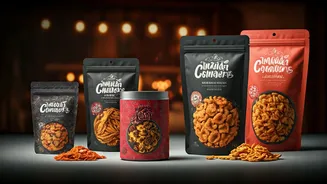
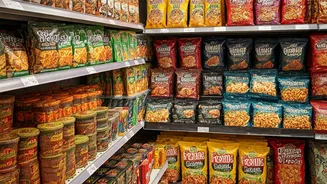
To understand the snack aisle in an Indian supermarket is to understand a modern business battleground. The Indian packaged-snack market is colossal and growing at a dizzying pace, with estimates valuing it well over $15 billion. For decades, the formula
was simple: global giants like PepsiCo (owner of Lay’s and Kurkure) offered familiar, potato-based snacks, while local players served up traditional fried savories, or 'namkeen.' But the game has changed. Winning in India today means going hyper-local, and the ultimate source code for local flavor is the country’s unparalleled street food culture. From the tangy *chaat* of Delhi to Mumbai's iconic *vada pav*, street food isn't just a meal; it's a cultural touchstone. These dishes offer a complex, layered experience that is deeply ingrained in the national palate. For snack manufacturers, this represents a goldmine. Instead of inventing new flavor profiles from scratch, they can tap into a pre-existing library of beloved tastes. The strategy is brilliant: sell consumers a convenient, shelf-stable version of a nostalgic experience they already know and love.
From Street Cart to Potato Chip
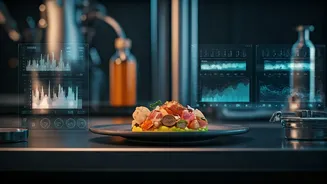
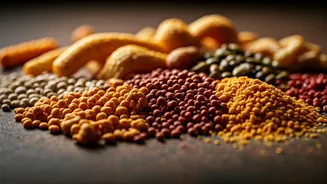
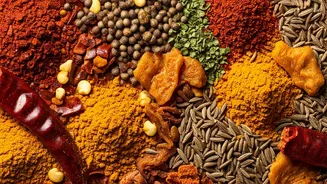
The central challenge is a matter of translation. How do you capture the essence of *pani puri*—a crisp, hollow sphere filled with spiced water, tamarind chutney, potatoes, and chickpeas—in a single, dry potato chip? The original is a multi-sensory event involving temperature contrasts (cool water, warm filling) and textures (crunchy, soft, wet). A chip can only be crunchy and dry. The answer lies in food science and the art of the 'masala,' or spice blend. Companies invest heavily in research and development, employing flavor scientists to deconstruct a dish into its core taste components. They isolate the dominant notes—the tang of tamarind, the heat of chili, the earthiness of cumin, the freshness of mint—and recreate them as a seasoning powder. PepsiCo’s Lay’s, for instance, has released limited-edition flavors like 'Dilli Chaat' and 'Mumbai's Vada Pav,' attempting to bottle the specific flavor identity of a city's signature snack. The goal isn't to replicate the full experience, but to trigger the memory of it with a powerful, instantly recognizable flavor hit.
The Homegrown Advantage
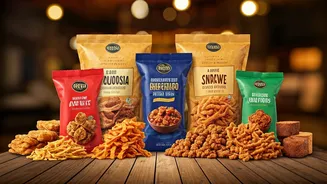
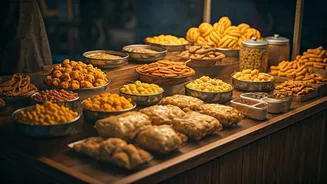
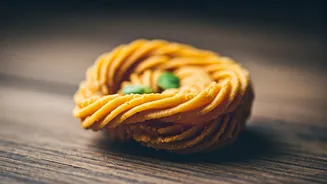
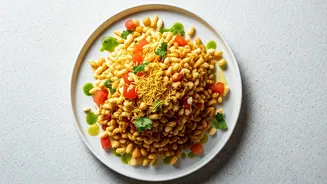
While multinational corporations have the R&D budgets, homegrown Indian companies often have the home-court advantage. Brands like Haldiram's, Bikaji, and Balaji Wafers grew up with these flavors. Their understanding of regional nuances is practically instinctual. They don’t need a focus group to tell them that the *chaat* in Kolkata tastes different from the one in Lucknow. This deep cultural fluency allows them to innovate with authenticity. These local champions are fighting back against global giants not by imitating them, but by doubling down on their roots. They produce an astonishing variety of snacks based on regional recipes, from *bhel puri* mixes that you can prepare in seconds to chips flavored with everything from pickled mango to the spicy *puchka* of Eastern India. This has created a dynamic where global players are forced to localize aggressively just to keep up, while local brands are scaling up, professionalizing their operations, and giving the international competition a serious run for their money.
More Than Just a Snack
This trend is about more than just a clever marketing strategy. It reflects profound shifts in Indian society. As urbanization accelerates and life becomes faster-paced, the leisurely ritual of stopping at a street-side vendor is becoming a luxury for many. A packaged snack offers a quick, hygienic, and convenient substitute. It’s a dose of nostalgia for a new generation of consumers who may have grown up with these flavors but now live in high-rises and work in office parks. For U.S. audiences, this phenomenon is a fascinating case study in the future of global food. It demonstrates that true market dominance isn't about imposing a single taste on the world, but about listening to local palates and translating cultural traditions into modern, accessible products. The humble bag of chips, in this context, becomes a vessel for cultural identity, connecting India's chaotic, vibrant streets to the clean, organized aisles of the global marketplace.