







The Resume Gets a Rebrand
What does it mean to job-hunt with “Instagram energy”? It means treating a resume not as a static document but as a dynamic piece of personal branding. For many in the cohort born between 1997 and 2012, the application process is a chance to deploy the visual
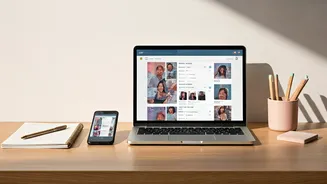
storytelling skills they’ve honed for years on social media. This translates into highly stylized, graphically designed resumes that look more like boutique marketing slicks than traditional CVs. Think custom color palettes, professional headshots, and icons replacing bullet points. Beyond the PDF, many are building personal portfolio websites that function like a professional highlight reel, complete with project galleries, embedded videos, and testimonials. It’s an extension of the curated online identity, repurposed for the corporate world.
A Strategy Born of Necessity
This shift isn't just about a preference for aesthetics; it's a strategic response to a brutal hiring landscape. Gen Z entered a world where online application portals use Applicant Tracking Systems (ATS) to filter out the majority of resumes before a human ever sees them. In this impersonal, algorithm-driven environment, standing out is paramount. A creative resume or a link to a polished video introduction is an attempt to bypass the digital gatekeepers and make a direct, human connection. It’s a calculated gamble that a memorable, personality-infused application will get noticed in a sea of standardized submissions. Having grown up as digital natives, they understand that in a crowded digital space, content is king—and their professional story is content that needs to be packaged compellingly.
Show, Don't Just Tell
The “Instagrammification” of the job hunt is also about showcasing skills that a traditional resume struggles to communicate. How do you quantify creativity, charisma, or strong communication skills in a bullet point? A short, well-edited video resume can demonstrate public speaking ability and on-camera presence in 60 seconds. A graphic designer’s interactive portfolio proves their UX/UI skills more effectively than any descriptive text. By turning their application into a multi-media experience, Gen Z candidates are providing tangible proof of their abilities, especially the valuable “soft skills” that employers consistently claim to be seeking. It’s a move from describing their value to demonstrating it from the very first point of contact.
The Recruiter's Mixed Reaction
While this approach can be a powerful differentiator, its reception among hiring managers is decidedly mixed. Some recruiters, particularly in creative industries like marketing, media, and design, welcome the innovation. They see it as a sign of proactivity, digital fluency, and genuine enthusiasm. However, in more traditional sectors like finance, law, or engineering, a flashy resume can be perceived as unprofessional or distracting. Many recruiters are also overwhelmed, working through hundreds of applications a day, and simply don’t have time to navigate a personal website or watch a video. There's also the risk that this highly personalized approach can introduce unconscious bias into the hiring process. The bottom line is that while a creative application can get your foot in the door, it can just as easily get that door slammed shut, depending entirely on the person on the other side.