






What 'Screen-Light' Even Means
If the last decade of wellness was about tracking, quantifying, and bio-hacking your life through a screen, the current mood is a gentle rebellion against it. 'Screen-light' isn't a Luddite fantasy of smashing your smartphone; it's a practice of intentional
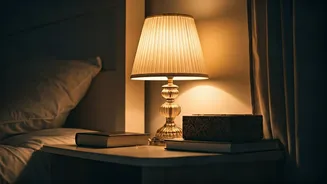
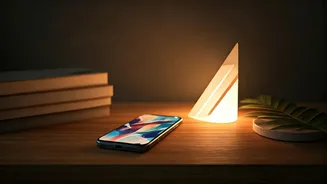
disengagement. It’s the conscious choice to reduce the intensity, frequency, and dependency on glowing rectangles, particularly during the vulnerable bookends of the day. In practice, this looks like swapping your phone's jarring alarm for a sunrise-simulating clock that gradually brightens the room. It means leaving your phone to charge overnight in the kitchen instead of on your nightstand. It’s about dedicating the first hour of your morning to journaling, stretching, or making coffee without the immediate IV drip of news headlines, work emails, and social media notifications that can hijack your nervous system before you’ve even had a glass of water.
A Backlash to Hyper-Optimization
So why now? The screen-light movement is a direct response to digital burnout and the tyranny of the algorithm. For years, the wellness industry sold us on the idea that more data equals more health. We downloaded apps to count calories, wore rings to score our sleep, and strapped watches to our wrists to track every step and heartbeat. While useful for some, this hyper-optimization created a new form of anxiety for many—a feeling that we were constantly failing to meet our own data-driven goals. The pandemic poured gasoline on this fire, blurring the lines between work, life, and screen time until they were virtually indistinguishable. We lived in video calls and communicated through DMs. The screen-light trend is the collective exhale—a search for a more intuitive, feeling-based approach to well-being that isn’t mediated by an app or scored by a device. It’s about reclaiming your autonomy from the platforms designed to keep you scrolling.
Mastering the Digital Sunrise and Sunset
The most popular and impactful way people are embracing a screen-light life is by redesigning their morning and evening routines. The 'digital sunset' is a ritual of winding down an hour or two before bed without screens. Experts have long warned that the blue light from phones and laptops can suppress melatonin production, making it harder to fall asleep. But the issue is also psychological. A pre-bed doomscroll through stressful news or curated social media feeds puts the brain in a state of high alert, not rest. Instead, people are returning to analog comforts: reading a physical book, listening to music or a podcast on a smart speaker (without looking at a screen), light stretching, or taking a warm bath. The 'digital sunrise' is the other half of the equation. By not reaching for the phone first thing, you give your brain space to wake up gently, set an intention for the day, and engage with your immediate physical environment before plugging into the global digital consciousness.
The Rise of Analog Tools
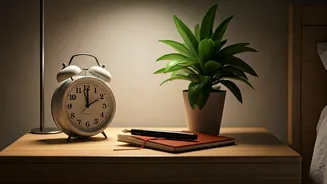
This cultural shift has also sparked a quiet renaissance for analog tools. Sales of paper planners and journals are thriving as people seek the tactile satisfaction and focused thinking that pen and paper provide. Simple, 'dumb' phones are also making a comeback, particularly among Gen Z, as a way to stay connected for calls and texts without the addictive pull of an infinite-scrolling app store. Even within the smartphone ecosystem, people are using grayscale screen modes or minimalist launchers to make their devices less visually stimulating and more utilitarian. It’s all part of the same impulse: to introduce a little healthy friction back into our lives. By making it slightly less convenient to mindlessly check for notifications, we create opportunities for more meaningful activities—or even just a few moments of quiet boredom, a state that has become increasingly endangered in the digital age.