



1. It’s a Sustainability Superstar
In an era of conscious consumerism, bamboo’s eco-credentials are a huge part of its appeal. Unlike traditional hardwoods that can take decades to mature, bamboo is technically a grass that can be harvested in as little as three to five years. It regenerates
from its own root system, meaning it doesn't need to be replanted, which helps prevent soil erosion. This rapid growth cycle makes it a highly renewable resource. When sourcing bamboo plywood, look for products certified by the Forest Stewardship Council (FSC) to ensure it comes from responsibly managed forests. This green halo isn't just a feel-good bonus; it’s a core reason why architects and designers are specifying it for clients who want to build and live more sustainably.
2. It Adds Unbeatable Natural Warmth
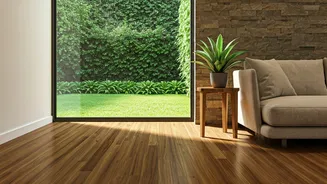
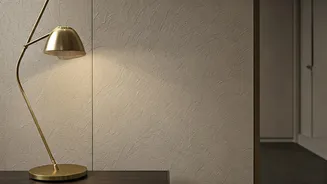
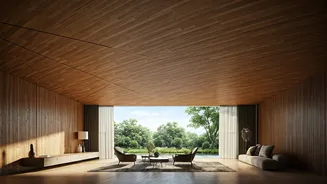
For years, the default modern ceiling has been a flat, stark white. While clean, it can sometimes feel sterile or cold. Bamboo plywood offers the perfect antidote. Its natural grain and honey-toned hues introduce an immediate sense of warmth and texture to a room, making spaces feel more inviting and organic. It bridges the gap between sleek modernism and cozy comfort. When light hits a bamboo ceiling, it creates a soft, diffused glow that you just can't get from drywall and paint. This quality makes it especially effective in spaces with high ceilings or minimalist decor, where it can prevent the room from feeling cavernous or impersonal.
3. It Aligns With Major Design Movements
Bamboo's rise isn't happening in a vacuum. It perfectly complements two of the most significant design trends of the moment: Japandi and biophilic design. Japandi, the hybrid of Japanese minimalism and Scandinavian function, champions natural materials, clean lines, and a calm, uncluttered aesthetic. Bamboo fits this philosophy perfectly. At the same time, biophilic design—the practice of connecting people and nature within our built environments—is gaining traction. Using natural materials like bamboo is a primary way to foster this connection, which is believed to reduce stress and improve well-being. A bamboo ceiling becomes a large, uninterrupted plane of natural material, creating a calming canopy that echoes the feeling of being under a sheltering tree.
4. The Aesthetic is Surprisingly Versatile
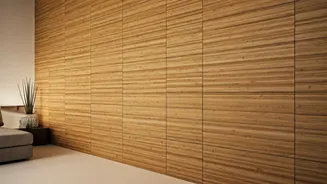
Don't mistake bamboo for a one-look wonder destined only for tiki bars. Modern bamboo plywood is a highly engineered, sophisticated material. It’s available in different grain patterns (vertical, horizontal) and shades (from light, natural blonde to a richer, carbonized amber). This versatility allows it to be a chameleon. In a mid-century modern home, it can echo the warm wood tones popular in that era. In a minimalist contemporary space, its clean, linear grain provides subtle texture without creating visual clutter. It can be used as flat panels for a sleek look or in slats to create architectural interest and improve acoustics. It pairs beautifully with concrete, steel, and white walls, proving it can hold its own in a variety of design languages.
5. It Redefines the 'Fifth Wall'
For too long, the ceiling was the forgotten fifth wall. The trend toward bamboo ceilings is part of a larger movement to treat every surface as a design opportunity. By drawing the eye upward, a bamboo ceiling adds dimension and architectural character. It can make a room feel taller, cozier, or more dynamic, depending on how it's used. It transforms a purely functional surface into a deliberate, impactful feature. In an open-plan living area, a continuous bamboo ceiling can unify the space, while using it in just one area, like over a kitchen island, can help define a zone. It's a bold but refined move that signals a thoughtful, custom-designed interior.