


Reframe Your Idea of a Vacation
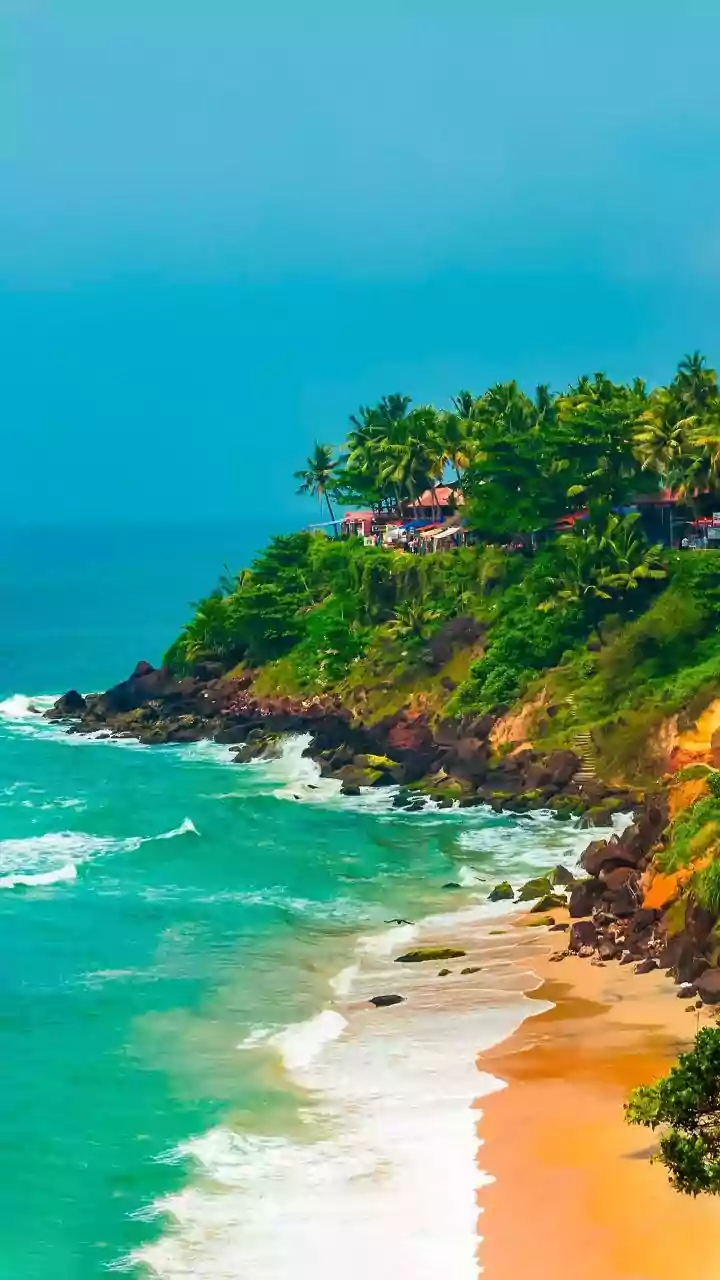
First, let's get one thing straight: a monsoon-season trip to Kerala isn't for sunbathing on Varkala Beach. The seas are rough, swimming is often prohibited, and many beach shacks close down. Instead of a beach holiday, think of it as a “green season”
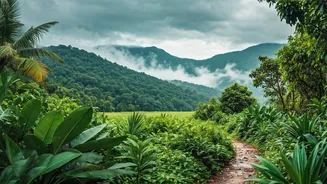
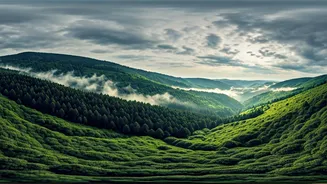
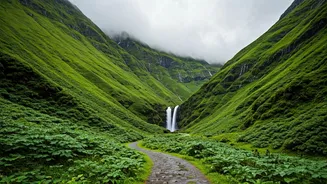
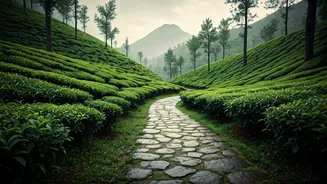
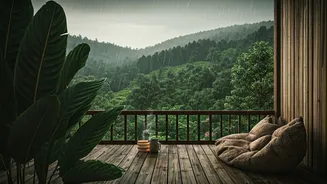
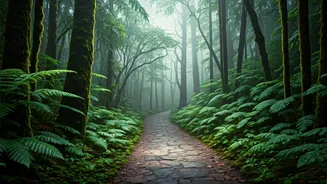
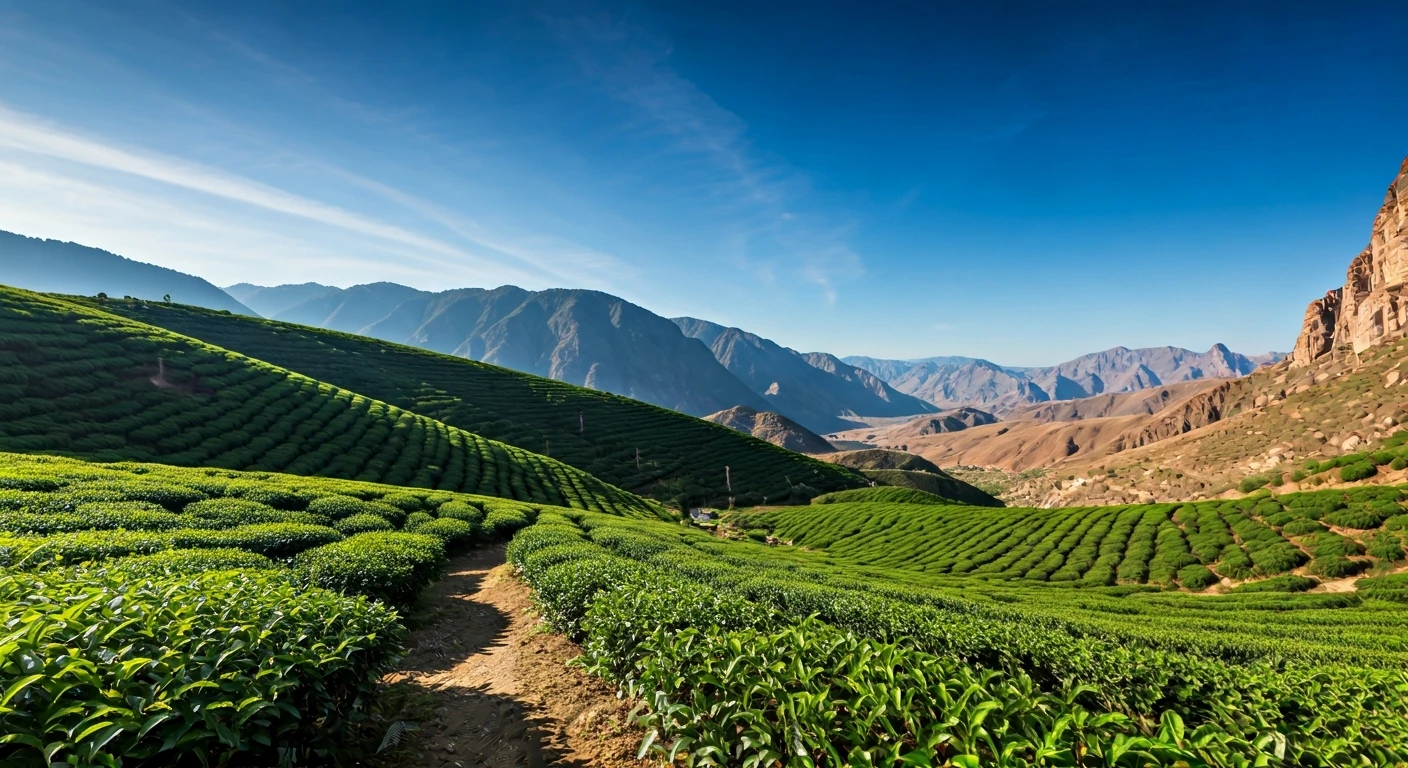
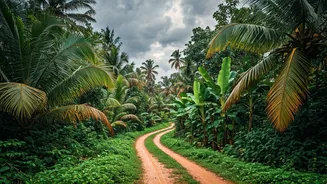
retreat. This is when Kerala, famously known as “God's Own Country,” truly earns its name. The rains wash the landscape clean, turning the hills and plantations a shade of green so intense it almost vibrates. Waterfalls that are a trickle in the dry season become thunderous spectacles, and the famous backwaters swell with life. The goal isn't to dodge the rain; it's to enjoy the dramatic, romantic, and lush world it creates.
Know Your Monsoons
Kerala experiences two distinct monsoon seasons. The main event is the Southwest Monsoon, locally called *Edavappathy*, which arrives in early June and lasts until September. This is the period of heaviest, most consistent rainfall, transforming the state into a tropical paradise. It's followed by the Northeast Monsoon, or *Thulavarsham*, from October to mid-December. These are shorter, sharper afternoon thunderstorms, often followed by clear skies. While the Southwest Monsoon offers the most dramatic scenery and the best off-season deals, the Northeast Monsoon provides a good balance of lushness and sunshine, making it a great shoulder season option.
Adjust Your Itinerary for the Weather
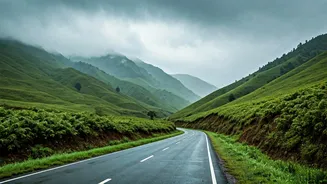
Smart planning means choosing your locations and activities wisely. Remote jungle treks can become hazardous, with slippery paths and the unwelcome presence of leeches. High-altitude destinations like Munnar can be foggy and prone to landslides during the heaviest rains. Instead, focus on experiences that are enhanced by the weather. A cruise on the backwaters in a sturdy houseboat (*kettuvallam*) is a classic for a reason; listening to the rain drum on the roof from the comfort of a covered deck is pure bliss. Base yourself in cities like Fort Kochi, where you can explore historic streets, Dutch-era palaces, and art cafes between showers. The rain also makes it the perfect time for an Ayurvedic retreat, as traditional wisdom holds that the cool, moist air helps the body better absorb the treatments.
Pack for a Downpour, Not a Drizzle
Your packing list is crucial. Leave the cotton t-shirts at home; they take forever to dry in the humidity. Opt for quick-dry synthetic fabrics. A high-quality waterproof rain jacket is non-negotiable, as is a sturdy umbrella. For footwear, forget the flip-flops, which offer no grip on slick stone paths. Instead, pack waterproof sandals with good traction or a pair of rubber boots. A waterproof dry bag is a lifesaver for protecting your phone, camera, and passport during sudden downpours. Finally, don't forget a powerful insect repellent, as the mosquito population thrives in the wet conditions.
Reap the Off-Season Rewards
If you're willing to embrace the rain, Kerala will reward you. The biggest perk is the lack of crowds. You’ll experience popular spots with a fraction of the tourists that descend during the peak winter season. This tranquility makes for a much more authentic and peaceful experience. The other major benefit is the price. Flights, high-end hotels, and houseboat rentals can be significantly cheaper from June to September. You can afford a level of luxury—like a private villa with a view of the misty hills—that might be out of reach during the high season. It’s the perfect time for a budget-conscious traveler to experience world-class hospitality.