

Health, Haste, and Heritage
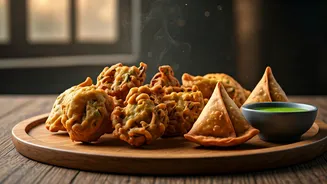
For generations, the crackle of snacks hitting hot oil has been the sound of celebration, comfort, and teatime (chai-nashta) across India and its diaspora. Samosas, pakoras, and vadas are more than just food; they are vessels of memory and tradition.
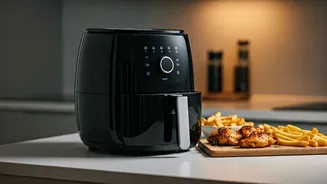
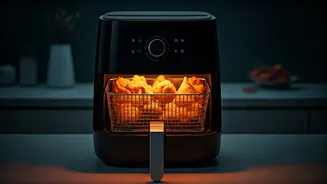
But they come with a catch: they are traditionally deep-fried, requiring a significant amount of oil, a careful watch over temperature, and an unavoidable post-cooking cleanup. This is where the air fryer enters the chat. For a new generation of Indian-American home cooks, as well as anyone looking to lighten up their favorite foods, the appliance offers a compelling compromise. It promises that coveted crispiness with a fraction of the oil, transforming an indulgent treat into a more approachable, less guilt-laden staple. It’s a solution that respects the flavor while updating the method for a modern, health-conscious, and time-strapped lifestyle.
The Samosa Gets a Golden Tan
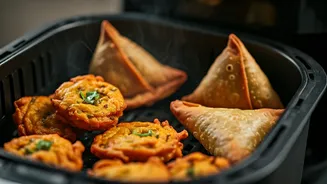
The samosa is the undisputed king of Indian snacks, and it's the gateway food for most air-fryer converts. The results are shockingly good. Whether you're working with store-bought frozen samosas or your own homemade ones, the air fryer delivers a uniquely satisfying texture. Instead of the occasionally greasy finish of a deep-fried version, an air-fried samosa boasts a dry, blistered, and shatteringly crisp pastry shell. The key is a light coating of oil. A quick brush or a spritz from an oil mister is all it takes to help the pastry achieve that beautiful golden-brown hue and prevent it from becoming dry or chalky. At around 350-375°F for 10-15 minutes (flipping halfway), you get a perfectly cooked, piping-hot samosa with a tender, flavorful filling, all without the pot of bubbling oil on the stove.
Solving the Pakora Problem
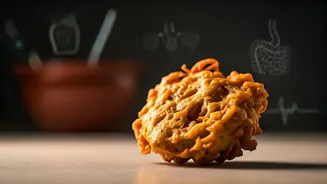
Pakoras, or vegetable fritters bound in a spiced chickpea flour (besan) batter, present a greater challenge. A traditional wet batter will drip through the air fryer basket, creating a mess and a sad, flat disc instead of a puffy, craggy fritter. But the internet’s home cooks have found solutions. The most common technique is to make the batter slightly thicker than you would for deep-frying, with just enough moisture to bind the ingredients. Another popular method involves using perforated parchment paper liners, which allow air to circulate while preventing drips. Some innovative cooks even use mini muffin tins or other small, air-fryer-safe molds. The resulting pakora might not have the exact same airy interior as its deep-fried cousin, but it develops a wonderfully rustic, roasted-crisp exterior that is delicious in its own right, especially when dipped in mint-coriander chutney.
Beyond the Famous Fritters
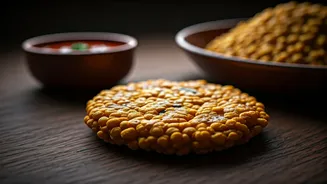
The trend doesn't stop with the big two. The air fryer has proven to be a versatile tool for a whole host of Indian snacks that are traditionally fried or pan-fried. Aloo Tikki, spiced potato patties, become beautifully browned and crisp on the outside while staying soft and fluffy inside. Sabudana Vada, chewy and savory fritters made from tapioca pearls and potatoes, cook up brilliantly. Even Medu Vada, the savory lentil doughnuts from South India, can be adapted. While the classic deep-fried version is lighter, the air fryer produces a denser but satisfyingly crisp alternative that’s perfect for a quick snack. The principle is the same: if it’s a patty, cutlet, or pre-formed dough, the air fryer can probably handle it, offering a convenient way to get your fix.
Tips for Perfect Results
Ready to try it yourself? Keep a few best practices in mind. First, don't overcrowd the basket. Hot air needs space to circulate to properly crisp the food. Cook in batches if you must. Second, a little oil is your friend. While the goal is to use less oil, a small amount (sprayed or brushed on) is crucial for browning and texture. Third, shake it up. Shaking the basket or flipping the items halfway through cooking ensures even browning. Finally, remember that all air fryers are different. Use recipe cooking times as a guide, but keep an eye on your food and pull it when it looks golden-brown and delicious to you.