



The Challenge of Urban Greens
For much of the U.S., winter means produce travels thousands of miles to get to your grocery store. The journey from a farm in California or Mexico to a shelf in Chicago or Boston takes a toll, resulting in greens that are often wilted, less nutritious,
and more expensive. Now, imagine that problem amplified in a city like Delhi, India. With a population of over 30 million, extreme weather patterns, and significant air and water pollution, sourcing consistent, high-quality produce is a massive logistical and environmental challenge. Traditional agriculture is strained by water scarcity and limited space, making the dream of a locally sourced winter salad seem nearly impossible. This is the exact problem that innovators in Delhi are tackling, not by finding more land, but by looking inward and upward.
Enter Automated Hydroponics
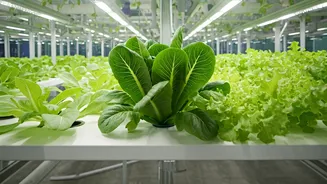
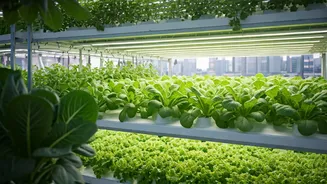
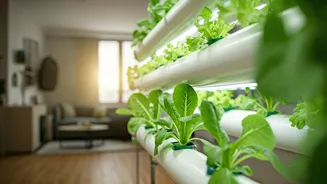
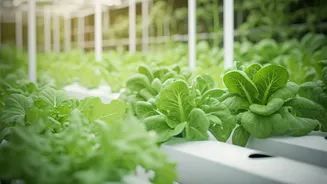
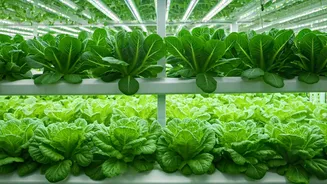
The solution sounds like something out of science fiction: futuristic indoor farms where plants grow without soil. This is hydroponics, a method of growing plants using a nutrient-rich water solution instead of dirt. While the basic concept has been around for centuries, what’s new is the 'automated array' part. These aren't just a few pots on a windowsill. Think of multi-level vertical racks stacked inside a climate-controlled warehouse or shipping container. Each level is packed with leafy greens like lettuce, kale, basil, and spinach. This vertical approach allows growers to produce vastly more food per square foot than a traditional farm. In a city where real estate is at a premium, building up instead of out is a game-changer.
How the Automation Works
This is where the 'smart farm' magic really happens. The 'automated' system is the brain of the operation. Instead of relying on sunlight and rain, everything is precisely controlled. Specialized LED lights are programmed to mimic the ideal spectrum and duration of sunlight, optimizing for growth and even flavor. A network of sensors constantly monitors the environment—temperature, humidity, and CO2 levels are all kept in a perfect sweet spot. Most importantly, these sensors track the nutrient levels and pH balance of the water flowing to the plant roots. If the system detects a deficiency, it automatically doses the water with the precise minerals needed. This eliminates guesswork and ensures every plant gets exactly what it needs to thrive, 24/7, 365 days a year.
The Year-Round Payoff
The benefits of this system are profound. First, there are no seasons indoors. The farm can produce a consistent, predictable harvest every single week of the year, completely insulated from Delhi's harsh summers or chilly winters. Second, it's incredibly water-efficient. Hydroponic systems use up to 90% less water than traditional soil farming because the water is recirculated and isn't lost to evaporation or runoff. Third, because the environment is totally controlled, there’s no need for pesticides or herbicides. The greens are clean from the start. Finally, the supply chain is radically shortened. Instead of being trucked for days, produce can be harvested and delivered to a local restaurant or grocery store within hours, locking in peak freshness and nutritional value.