



The End of the Sad TV Dinner
For decades, convenience food was a trade-off. You swapped quality, flavor, and nutrition for the precious gift of time. The result was often a sodium-laden, texturally questionable meal eaten on the couch with a tinge of regret. But a seismic shift is underway,
driven by a new generation of consumers who refuse to make that compromise. Millennials and Gen Z, raised in the age of Food Network, foodie blogs, and farm-to-table restaurants, have fundamentally different expectations. They want quick, but they also want quality. They demand transparency in their ingredients, flavors that tell a story, and meals that align with their wellness goals, whether that’s paleo, keto, or plant-based. The industry, once content to pump out endless variations of Salisbury steak, has been forced to listen and adapt—or risk becoming obsolete.
From Sodium Bomb to Sous-Vide
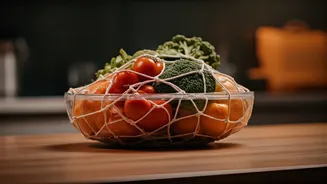
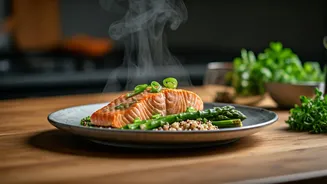
So, what does this upgrade actually look like in the grocery aisle? For starters, the ingredient list is getting a makeover. Instead of unpronounceable preservatives, you’re now seeing cage-free eggs, grass-fed beef, and organic, non-GMO vegetables. The culinary techniques have also been elevated. Start-ups and legacy brands alike are using methods like sous-vide—a slow-cooking water bath technique beloved by high-end chefs—to produce perfectly tender proteins in their ready-to-heat meals. The flavor profiles have exploded beyond the old standbys of Italian-American and generic Tex-Mex. Today’s freezer section is a global food tour, offering everything from Korean gochujang chicken and Thai green curry to Peruvian-inspired bowls and Mediterranean braised lamb. It’s about delivering an experience, not just a calorie-delivery system. These meals aren’t just *not bad*; many are actively, impressively good.
Convenience Without the Compromise
At its core, this evolution is about redefining the meaning of convenience itself. The old definition was simple: fast. The new definition is far more complex: fast, but also healthy, delicious, ethically sourced, and tailored to specific dietary needs. It’s convenience without the cringe. This is a direct response to the modern American lifestyle. We’re busier than ever, yet more health-conscious and culinarily curious. Companies that understand this new equation are thriving. They’re creating products that solve a real problem for time-strapped professionals, busy parents, and anyone who wants a decent dinner in 10 minutes without resorting to greasy takeout. They’re betting that consumers are willing to pay a premium—not just for the food itself, but for the peace of mind that comes with knowing you’re eating something that’s both quick and genuinely nourishing.
The Instagrammable Frozen Meal
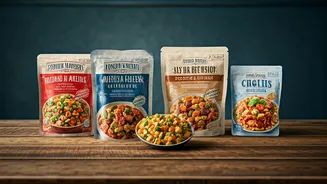
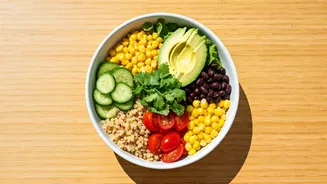
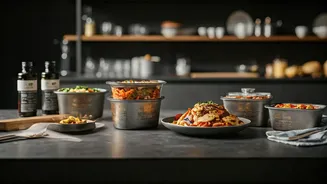
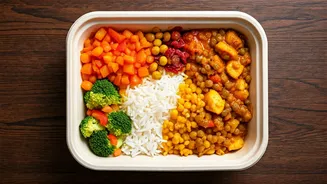
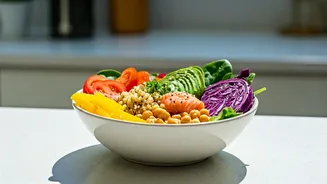
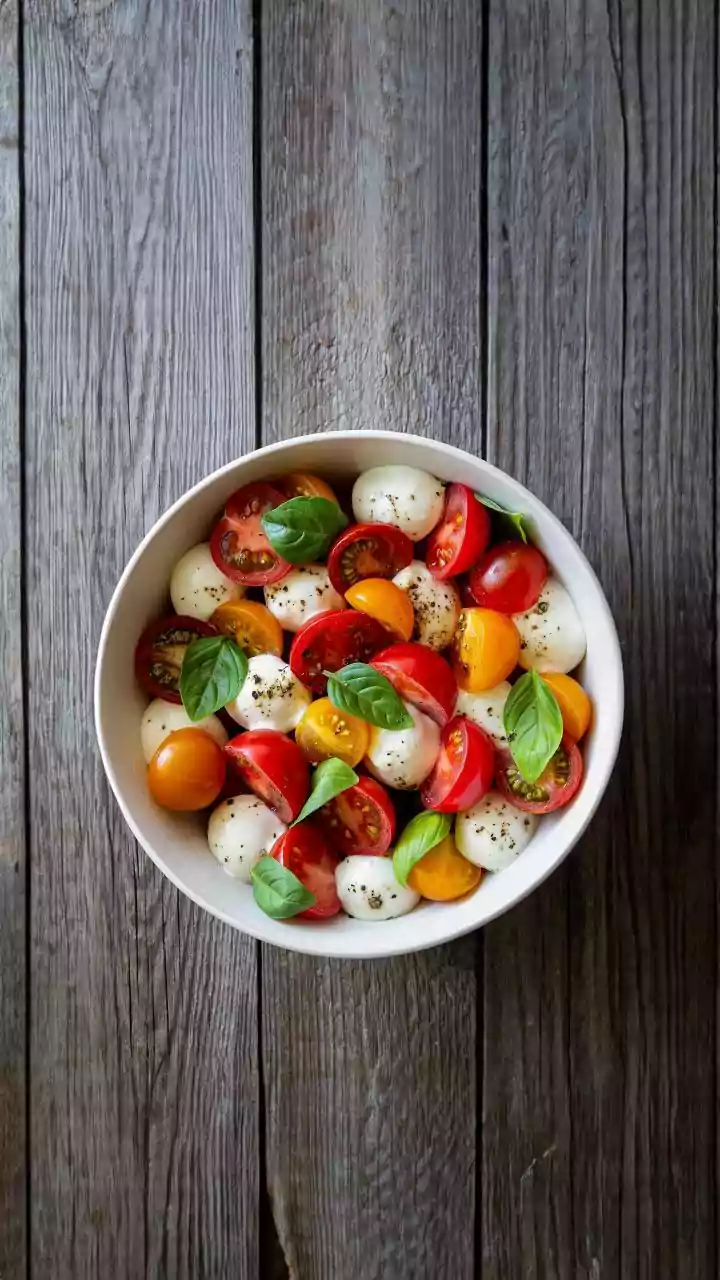
In a world where we eat with our eyes first, and often through our phone screens, aesthetics matter more than ever. The drab, beige landscape of the old TV dinner has been replaced by vibrant, colorful meals designed to look as good as they taste. Brands are paying attention to plating, even in a microwaveable tray. Bright green vegetables, colorful sauces, and distinct components are arranged to be visually appealing. The packaging itself has become more sophisticated, with minimalist design, bold typography, and matte finishes that look more at home in a design-conscious boutique than a supermarket freezer. This isn’t just marketing fluff; it’s a crucial part of the product. An Instagram-worthy meal reinforces the idea of quality and turns a simple dinner into a shareable lifestyle statement, providing free, word-of-mouth advertising that money can’t easily buy.